Preview / PAD Paris 2026
TDE's top five picks
8th – 12th April
Tuileries
By Emma Crichton-Miller / 30th March 2026
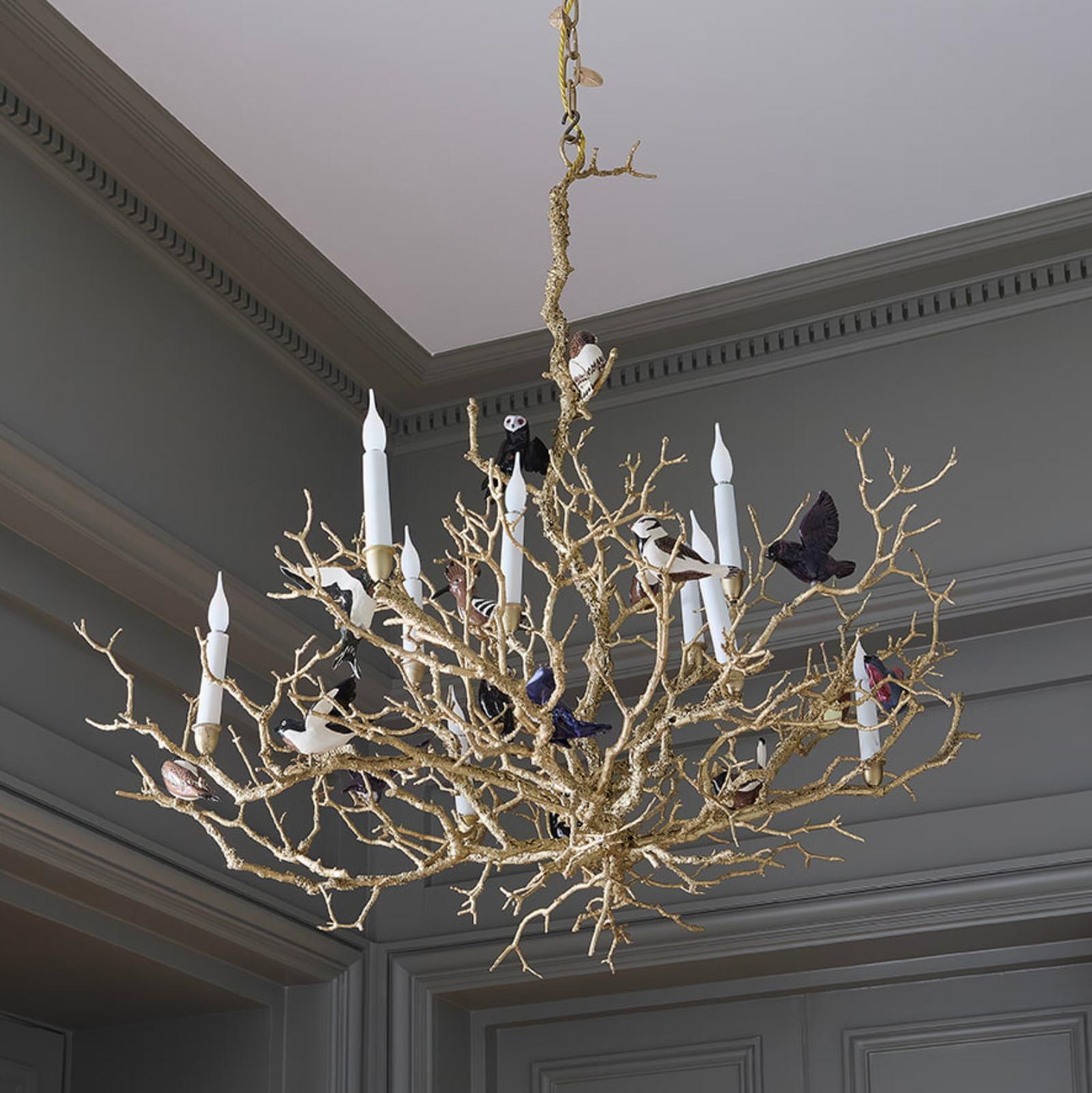
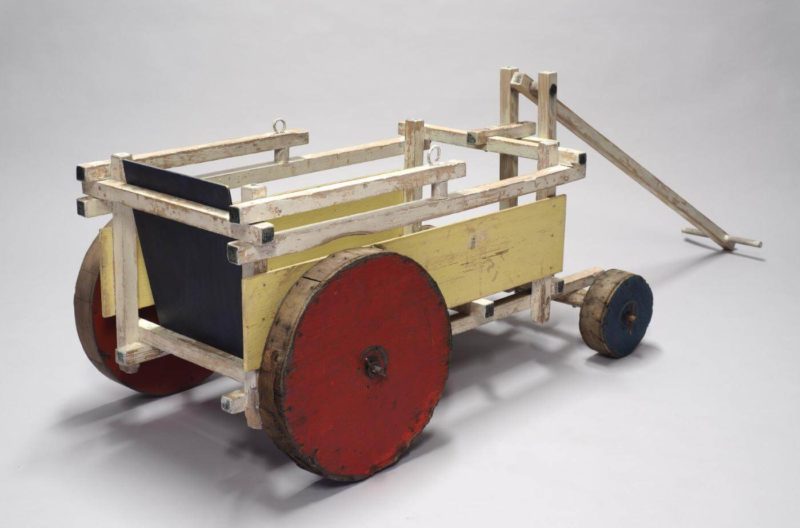
Joy de Rohan Chabot, ‘Tree with birds’, 2025
COURTESY: Joy de Rohan Chabot & Chastel-Maréchal
NEXT WEEK, THE 28th edition of PAD Paris opens in the Tuileries gardens, launching the spring. Determinedly Parisian in its embrace of everything that makes our private home lives better, this iteration includes rare historical furniture, icons of mid-century modernism, contemporary jewellery, experimental lighting, contemporary conceptual design, as well as ceramics old and new.
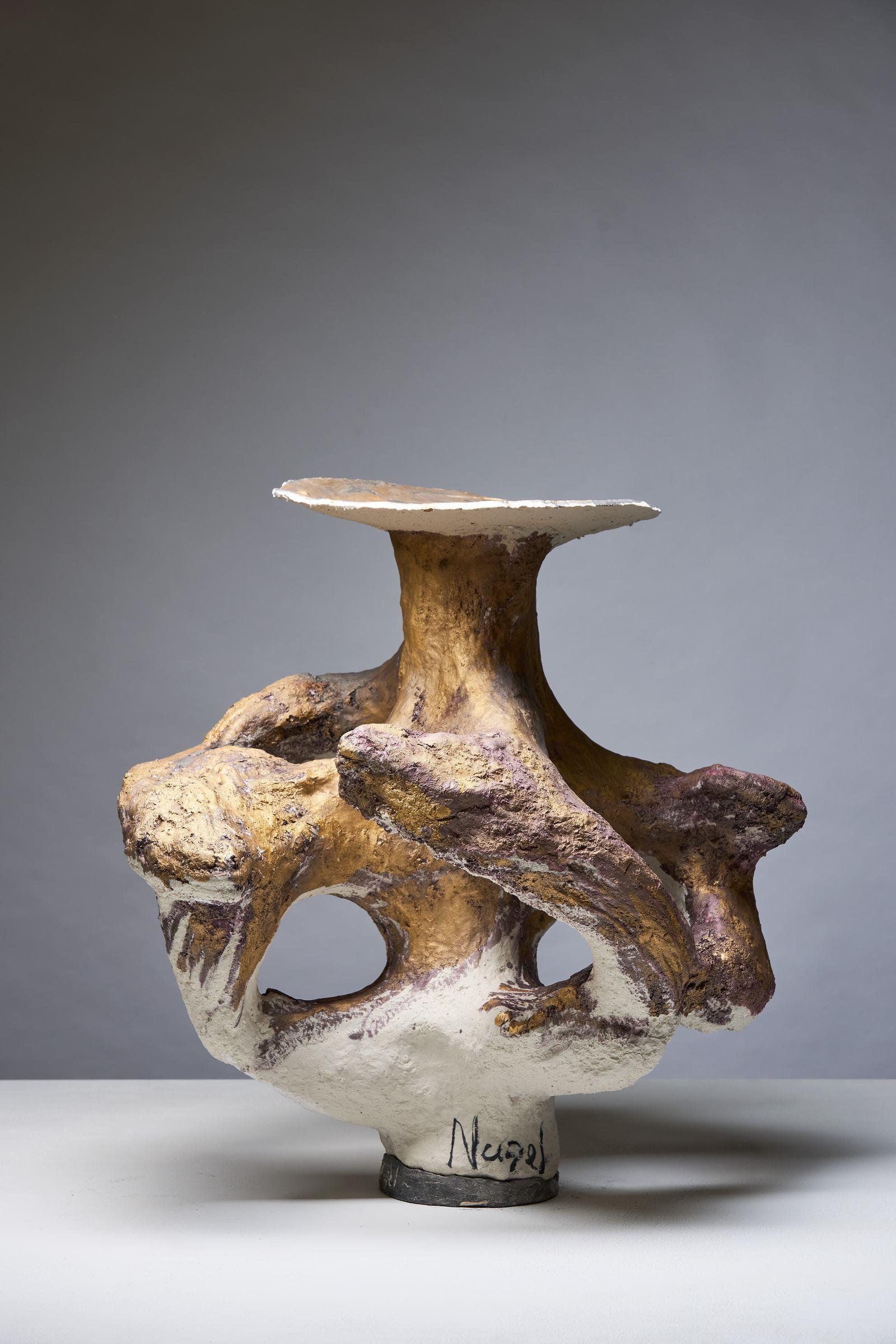
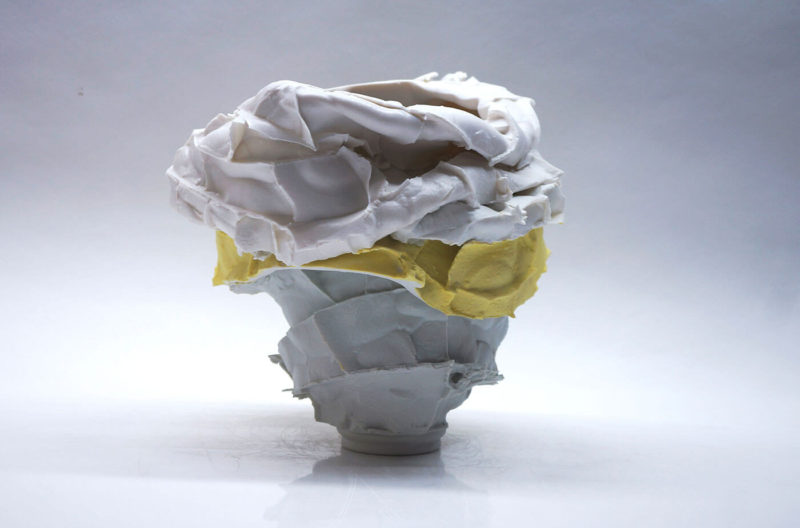
Johannes Nagel, ‘Movement Gold (twist)’, 2025
COURTESY: Johannes Nagel & Florian Daguet / PHOTOGRAPH:
© Tom Dachs
Tempting galleries from all over Europe and beyond to the heart of this cosmopolitan capital, PAD seeks conversations with discriminating collectors. For these are cultural objects as much as they are chic decorative furnishings.
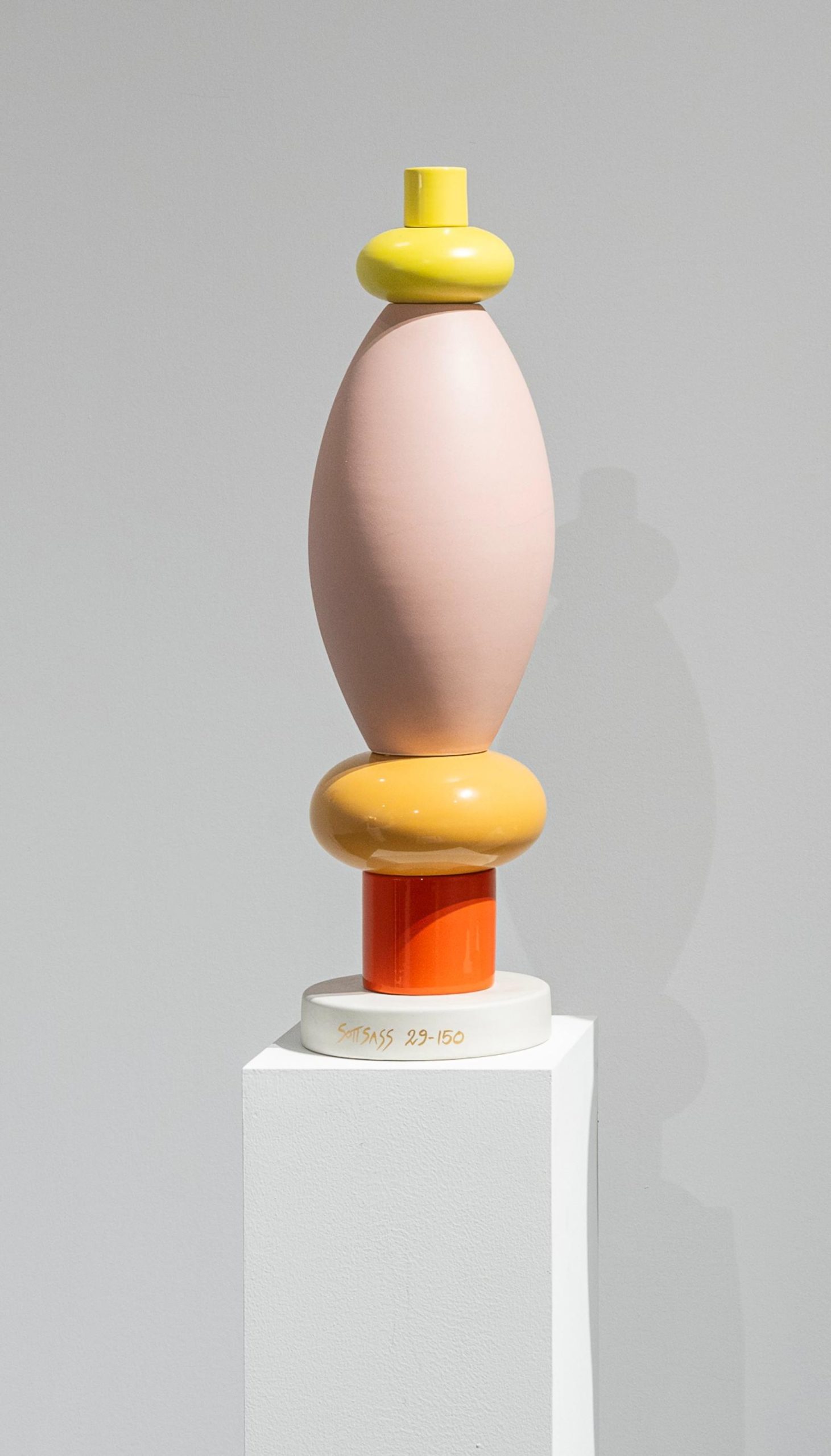
Ettore Sottsass, ‘Totem’ model Burma, 1964
COURTESY: Ettore Sottsass & Giulia de Jonckheere
The pieces are often unique. Many are of museum quality. Some have classic status. Others are new inventions. They are created by sought-after makers, come in limited editions from contemporary designers, or have distinguished provenances.
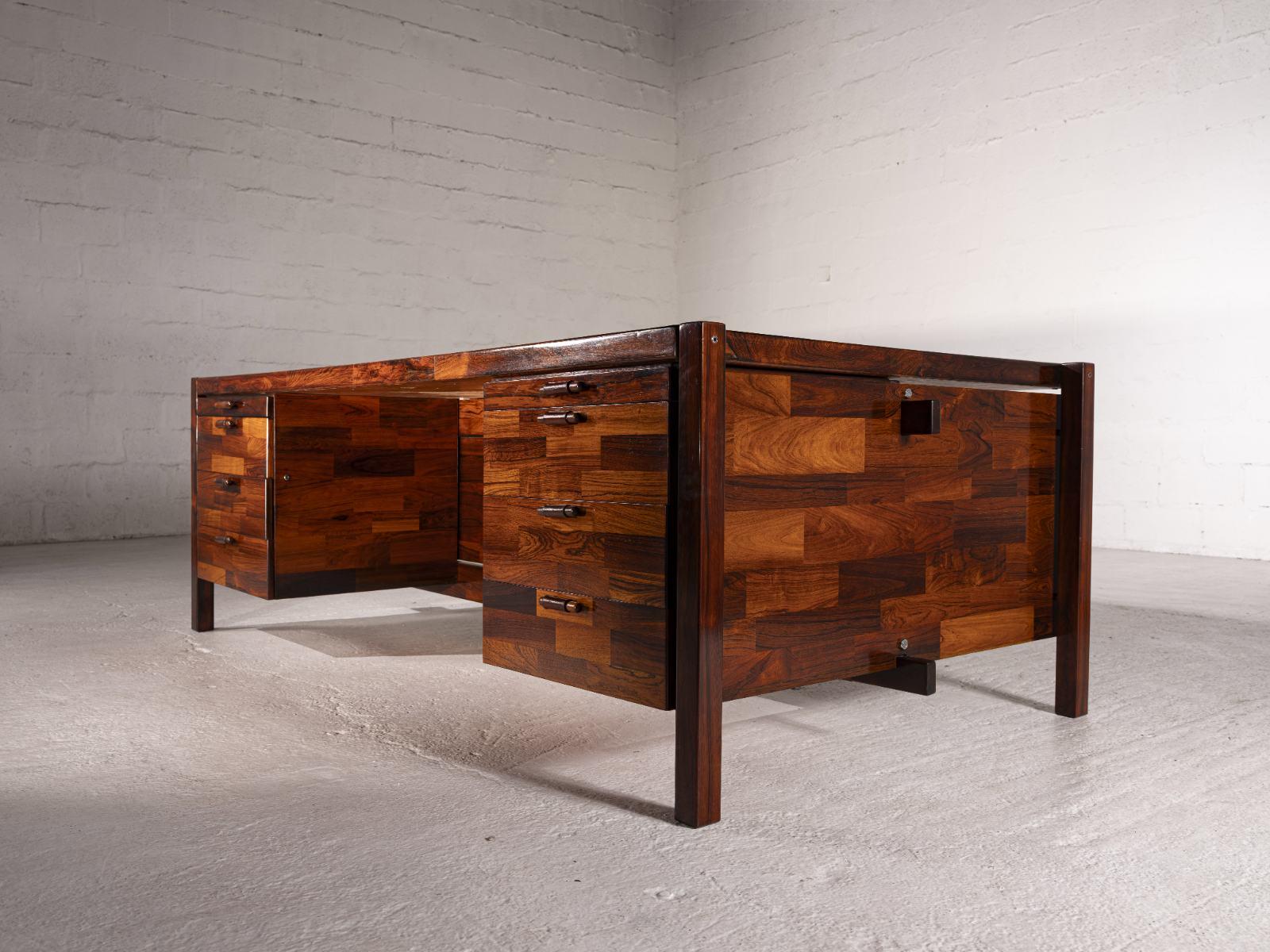
Jorge Zalszupin, ‘Diplomate’ desk, 1960
COURTESY: Jorge Zalszupin & Galerie Brazil Moderniste
This year there are fourteen newcomers alongside over sixty returning galleries, each bringing a distinctive selection of artists and pieces. TDE has chosen five striking pieces.
Adolf Loos, ‘Haberfeld Table’, 1902
Galerie Romain Morandi
This eight-legged table in beech and brass is named after the first known domestic context for the model – a six-legged version made in 1899 for the living room of the art historian Dr Hugo Haberfeld, at his apartment in Vienna’s 8th district. It fulfils Loos’s then newly adopted philosophy, later expressed in his famous 1908 volume, Ornament and Crime: “The evolution of culture is synonymous with the removal of ornament from utilitarian objects.” What is so pleasing about this piece is that the attractive geometries of the eight turned legs with their stabilising cross bars, and the protective brass cuffs and gleaming brass band around the top, are quite clearly functional. The piece was made by the Viennese company of Friedrich Otto Schmidt, with whom Loos often collaborated.
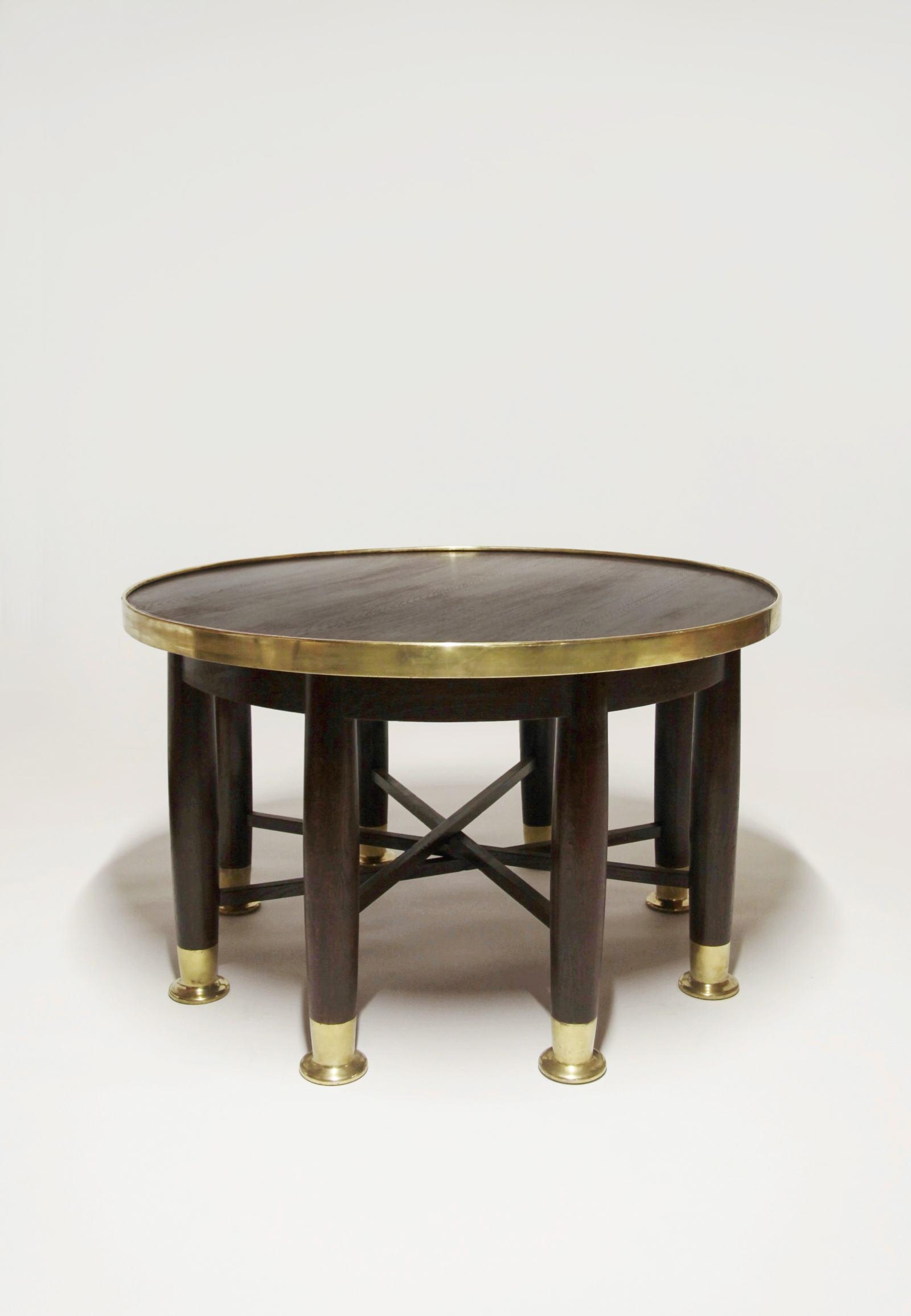
Adolf Loos, ‘Haberfeld’ table, 1902
COURTESY: Adolf Loos & Galerie Romain Morandi
Hans J. Wegner, ‘The Flag Halyard Chair, Model GE 225′, 1950
Modernity
Legend has it that the twentieth-century Danish designer Hans J. Wegner conceived this chair while lounging on a beach in Denmark, in the scorching summer of 1949. He modelled its dimensions using a spade in the sand. The frame is constructed from steel (here with its original green lacquer), wrapped to make the seat, using rope made to raise sails. The cushion, the sheepskin rug and the little “shoes” made from beech civilise it for the drawing room. It marks a break for the renowned Scandinavian modernist in its use of industrial materials rather than wood. When it was presented at the Arts & Crafts Spring Exhibition at Designmuseum Danmark in 1950, ‘The Flag Halyard Chair’ stood out from Wegner’s cabinetmaking-based designs, whilst reflecting the same emphasis on proportion, structural clarity and craftsmanship.
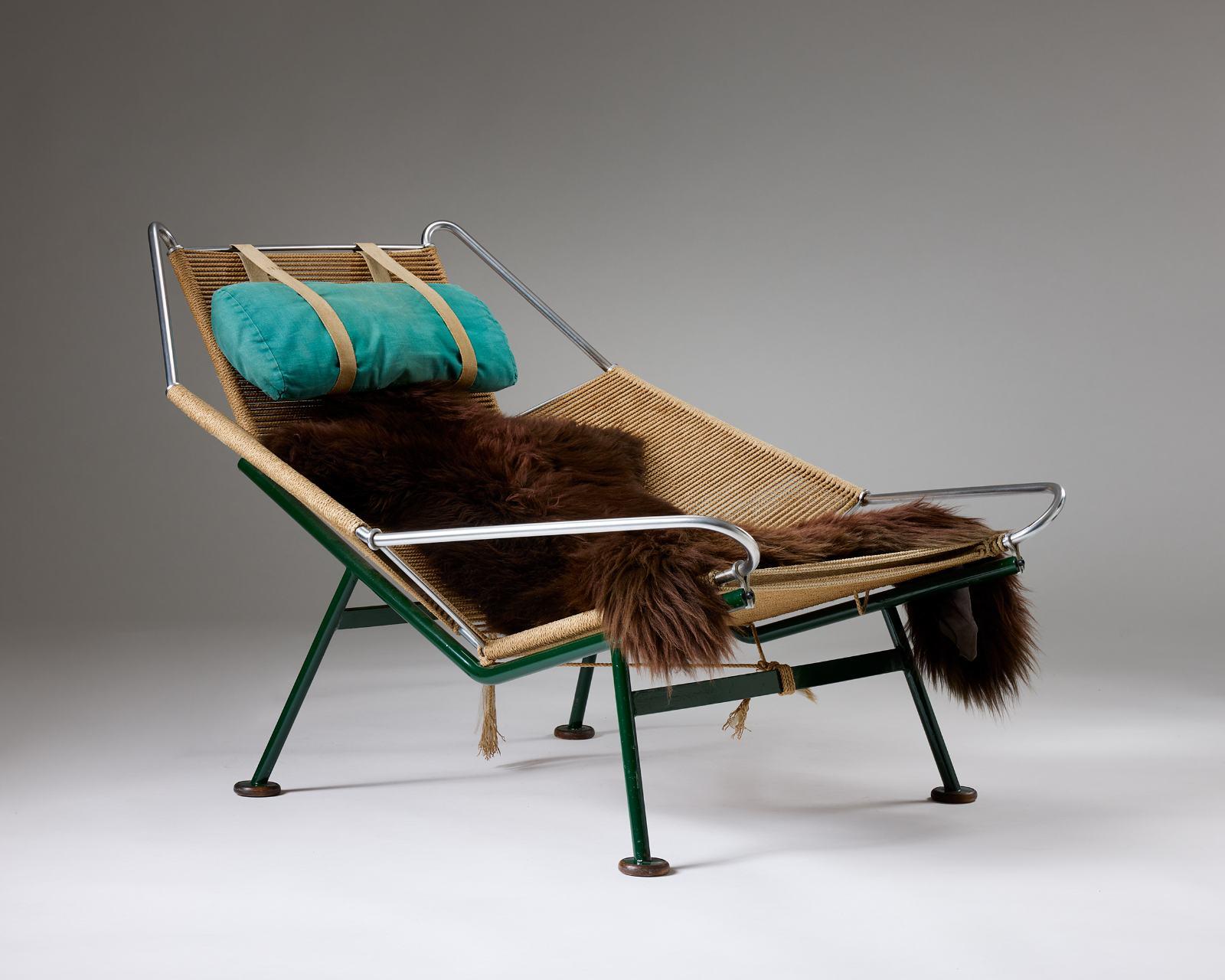
Hans J. Weger, ‘The Flag Halyard Chair, Model GE 225′, 1950
COURTESY: Hans J. Weger & Modernity
Carlo Nason, ‘LT 378 Murano Glass Floor Lamp for Mazzega’, 1970s
Atkris Studio
Carlo Nason, last summer the subject of a monographic exhibition at 3 Days of Design 2025 in Copenhagen, was a leading figure within Italian lighting design of the 1970s. He deftly combined craftsmanship with poetry, wit and emotion. Born into a family of Muranese glass manufacturers in 1935, he started working for the family firm, but soon transferred his skills to the friendly rival company of Gianni Mazzega, where he could experiment more freely. Less interested in the colourful decorative traditions of Murano, Nason was more concerned with translucency, structure and form, evolving a unique sculptural language in glass. He designed over a thousand works during his career, in collaboration with a small number of companies. Several are in museums such as New York’s Museum of Modern Art, the Corning Museum of Glass and the Glass Museum in Murano. This piece is constructed from alternating clear and tobacco-toned curved glass segments, built to form a tower around a central metal armature. The uniquely textured surfaces of the segments create subtle variations in the refracted light. Whilst entirely functional, the lamp exploits light as a medium for creative expression.
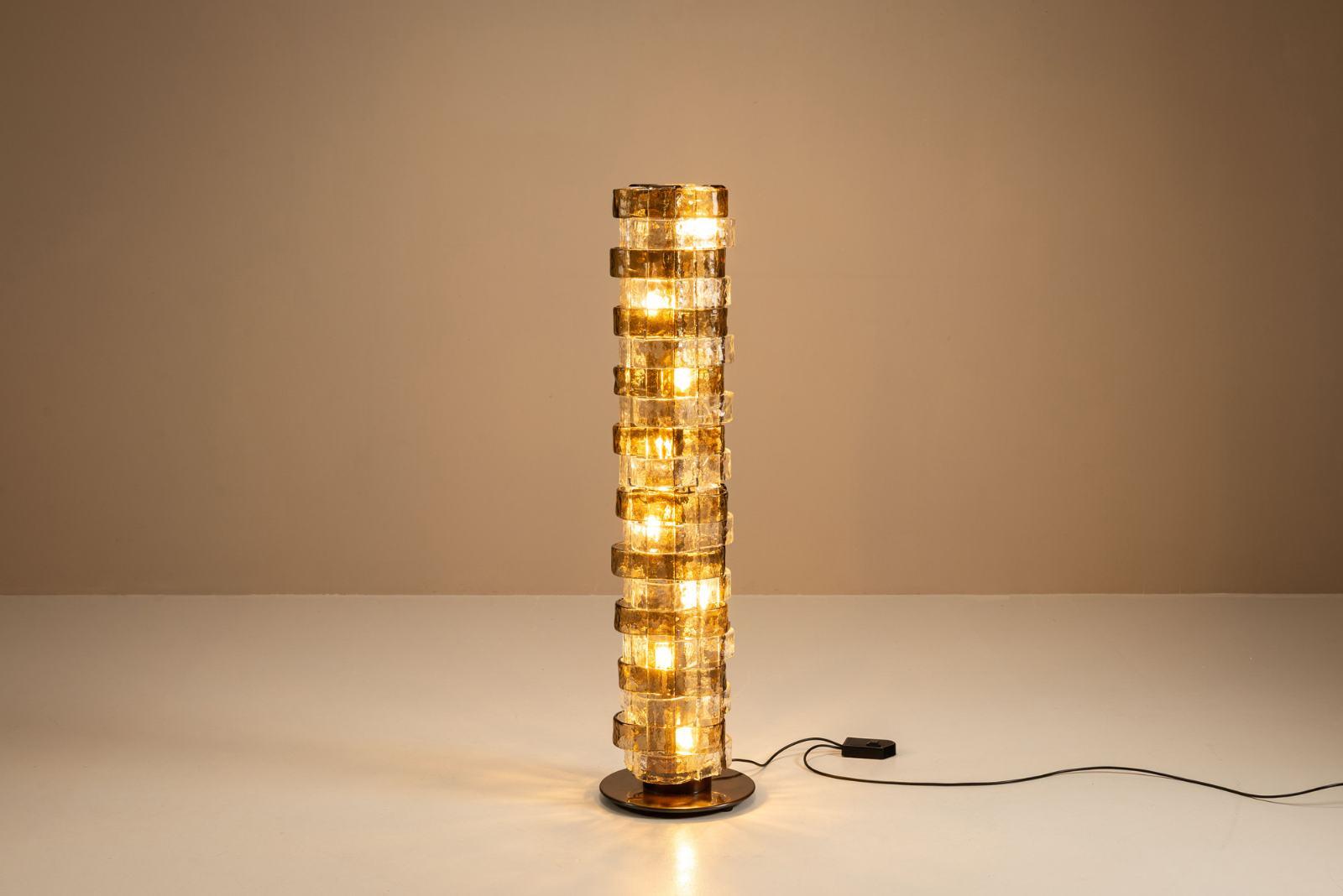
Carlo Nason, ‘LT 378 Murano Glass Floor Lamp for Mazzega’, 1970s
COURTESY: Carlo Nason & Atkris Studio
Héctor Esrawe, ‘Gear Cabinet’ 2026
Objects With Narratives
Héctor Esrawe, born in 1968 in Mexico, is a prolific furniture and interior designer, architect, academic and entrepreneur. He lives and works in Mexico City across a number of different enterprises. His own limited edition art and design objects range in scale from table-top candle holders to monumental light sculptures. The ‘Gear’ series of works reflect a fusion, in the imagination of this multidisciplinary designer, of local Mexican artisanal technologies and a sensibility schooled in Scandinavian and Japanese aesthetics. He draws for this cabinet on still vital cast metal working traditions in Mexico, building his piece of furniture from modular sections of cardboard, crafted into repeating series of honeycomb-like cellular structures, which are then cast in bronze. A minimalist design language of irregular grid and rectangle is married to an opulent material full of natural variation, movement, colour and light.
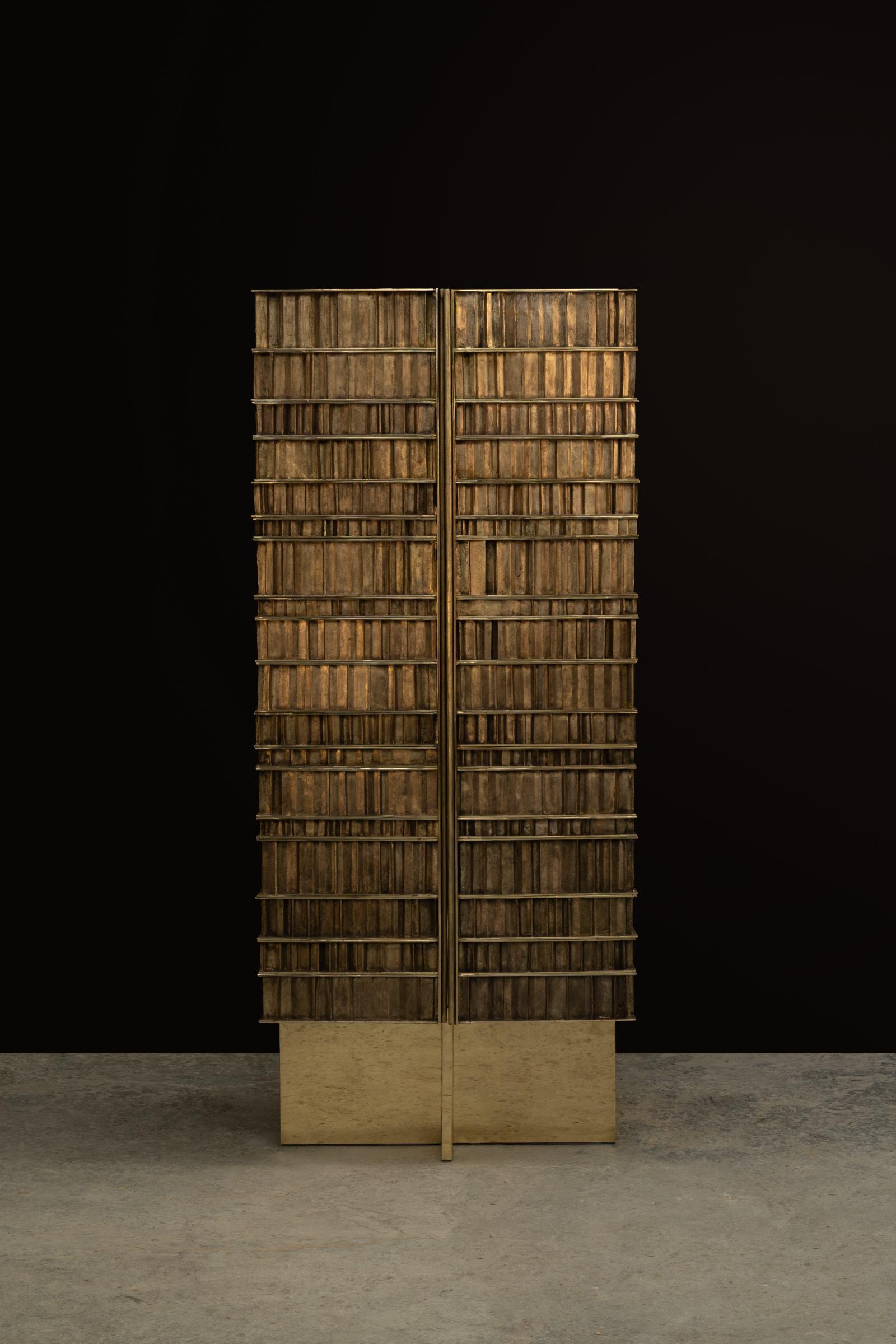
Héctor Esrawe, ‘Gear Cabinet’, 2026
COURTESY: Héctor Esrawe & Objects With Narratives
Ronan Bouroullec ‘Clair-obscur Multiple Smoke’ Light 2025
Galerie Kreo
For many years, French designer Ronan Bouroullec – sometimes with his brother, Erwan, sometimes alone – has honed his unique spare design language. His imagination, both rigorous and sensuous, is beautifully expressed in this ‘Clair-obscur Multiple Smoke’ light, first exhibited last autumn. It appeals through contrasts: the industrial abstraction represented by the straight rods, made from solid anodised aluminium, coloured black or grey, paired with the mouth-blown glass elements of a white opaline globe that diffuses the light, set inside a transparent corolla of grey or amber glass, like a pupil in an eyeball. Metal plays against glass; hard against soft; cool against warm; circle against line; projected beam against diffused halo. The piece invokes traditions of lighting over centuries, as well as suggesting the gridded electrical circuits that govern our lives. ‘Clair-obscur’ also gestures to the minimalist art works of Donald Judd and Dan Flavin, magicians of light and geometry, and their understanding of how precise discriminations of angle, curvature or hue can impact our sense of space.
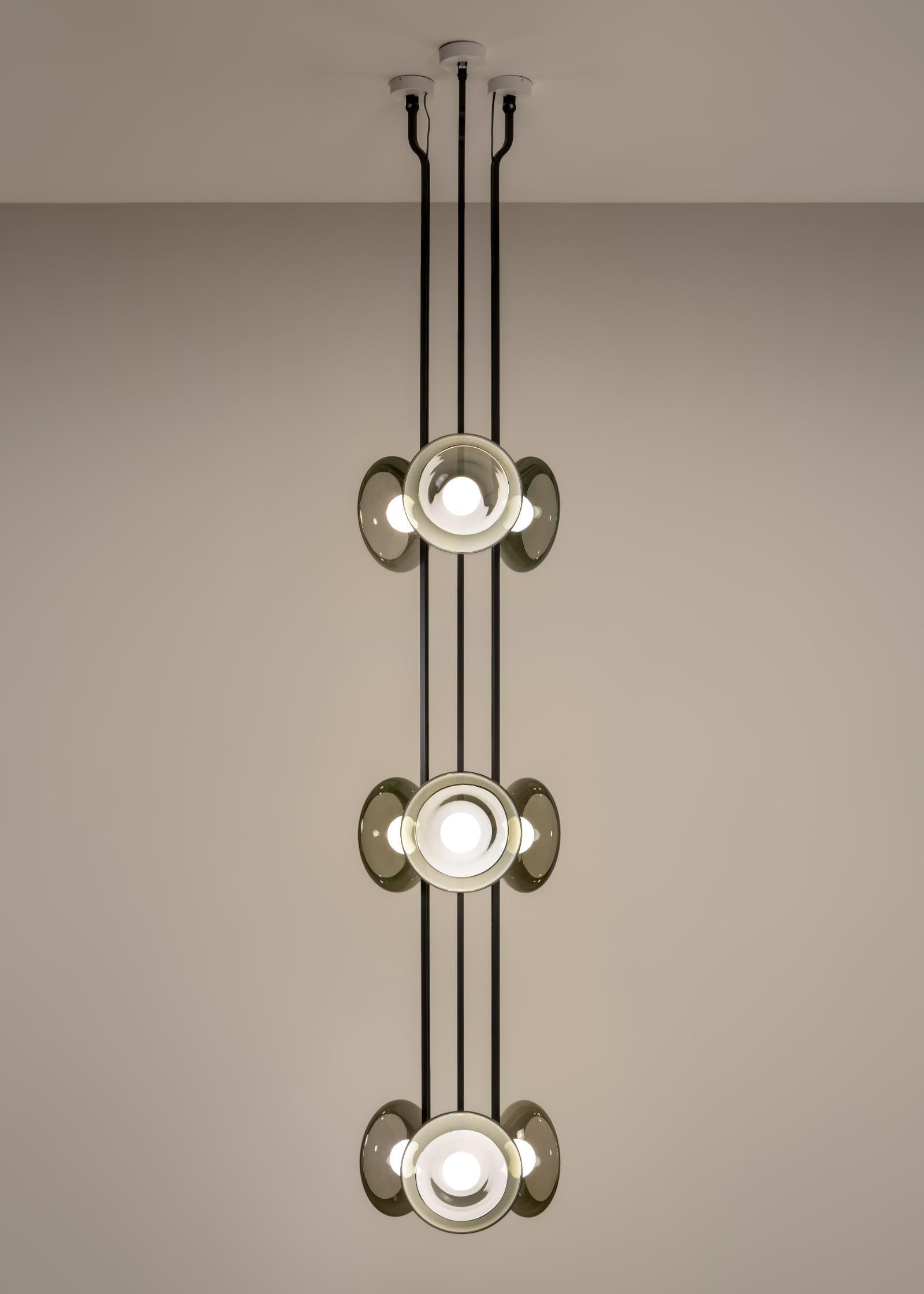
Ronan Bouroullec, ‘Clair-obscur Multiple Smoke’, 2025
COURTESY: Ronan Bouroullec & Galerie kreo / PHOTOGRAPH: © Alexandra de Cossette

Emma Crichton-Miller is Editor-in-Chief of The Design Edit.
View all articles by Emma Crichton-Miller