Preview / Collect 2026
A gathering of accomplished objects from around the world.
Collect 2026
Somerset House
25th February – 1st March 2026
By TDE Editorial Team / 23rd February 2026
Katarzyna Krej
COURTESY: Katarzyna Krej & Collect / PHOTOGRAPH: Agnieszka Wira
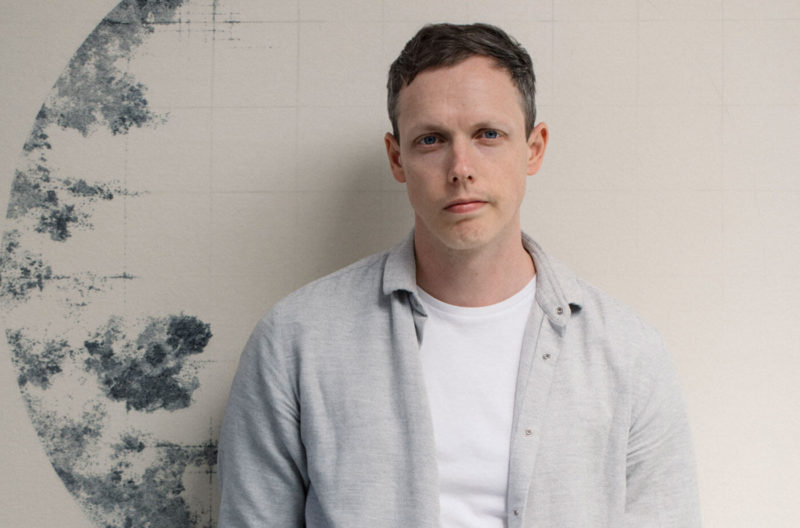
FOR THIS 22ND edition of Collect, the annual art fair for contemporary objects, organised by the British Crafts Council in the elegant warren-like spaces of Somerset House, new fair director T.F. Chan has attracted a notably international roster of exhibitors and artists. Among the 40 exhibitors, 14 of them new to the fair, visitors will find work by over 300 artists from over 40 countries, including Japan, Canada, China, France, Ireland, the Netherlands, Poland, Portugal, South Korea and the United States.
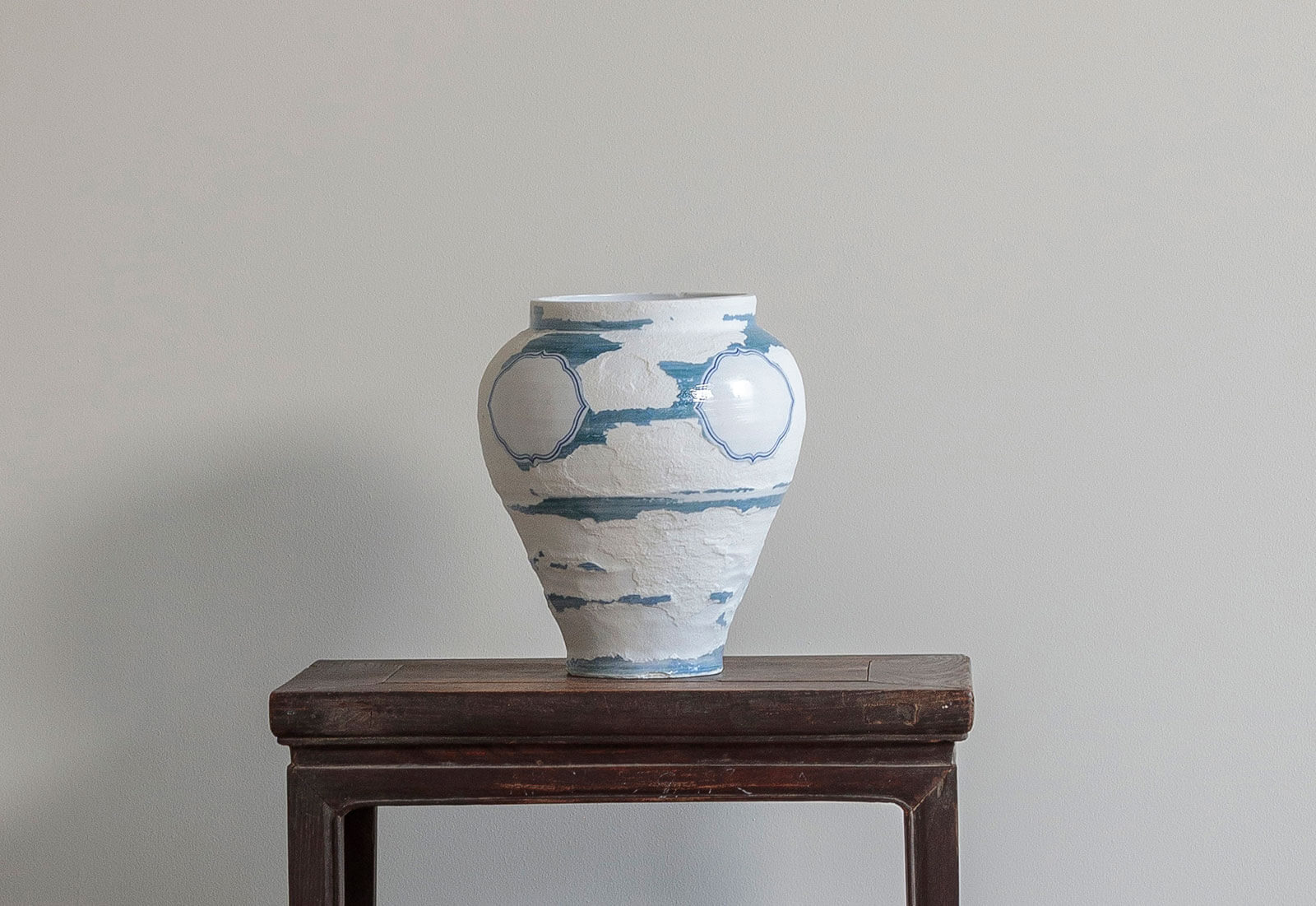
Lee Jungsuk, ‘Fragile 1814’, 2018
COURTESY: Lee Junsuk & Lloyd Choi Gallery / PHOTOGRAPH: © Inge Clement
Many different materials and disciplines will be represented, from ceramics and glass blowing, to lacquer, jewellery, metalwork, wood-turning and textiles – with some artists incorporating digital technologies into their practice. Eighty per cent of the work has been made in the last five years. The fair’s remit has also been extended to include furniture: with Mia Karlova Galerie from Amsterdam presenting a selection of Vadim Kibardin’s dramatic chairs and lights, crafted from recycled paper and cardboard; and London-based Jig Studio offering a curated selection of Brazilian design, including the startling boulder furniture of São Paulo based design duo, Ovo.
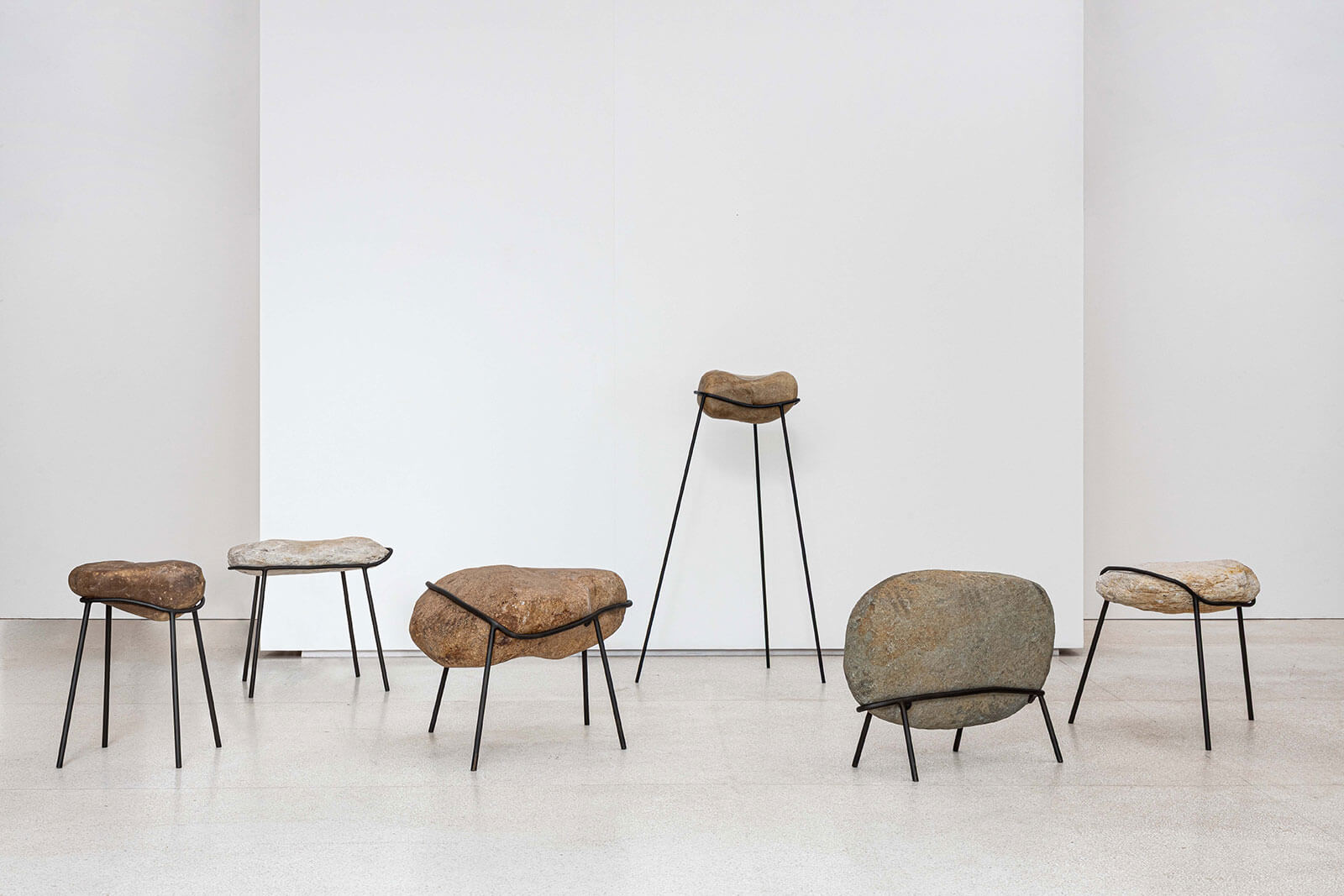
Jig Studio, Ovo, ‘Rio Series’, 2023
COURTESY: Jig Studio / PHOTOGRAPH: © Ruy Teixeira
The UK’s reputation as a place where craft is understood and valued is reflected not just in the enthusiasm of visiting institutions, but also by the number of local and national galleries showing work by makers from across the world – many of whom have studied and launched their careers here. Alongside the main display, Collect Open, supported by interior designer Brigitta Spinocchia Freund, showcases the work of eleven artists pushing the boundaries of their chosen discipline. On the eve of the fair’s preview, The Design Edit offers a sneak peak of six outstanding displays.
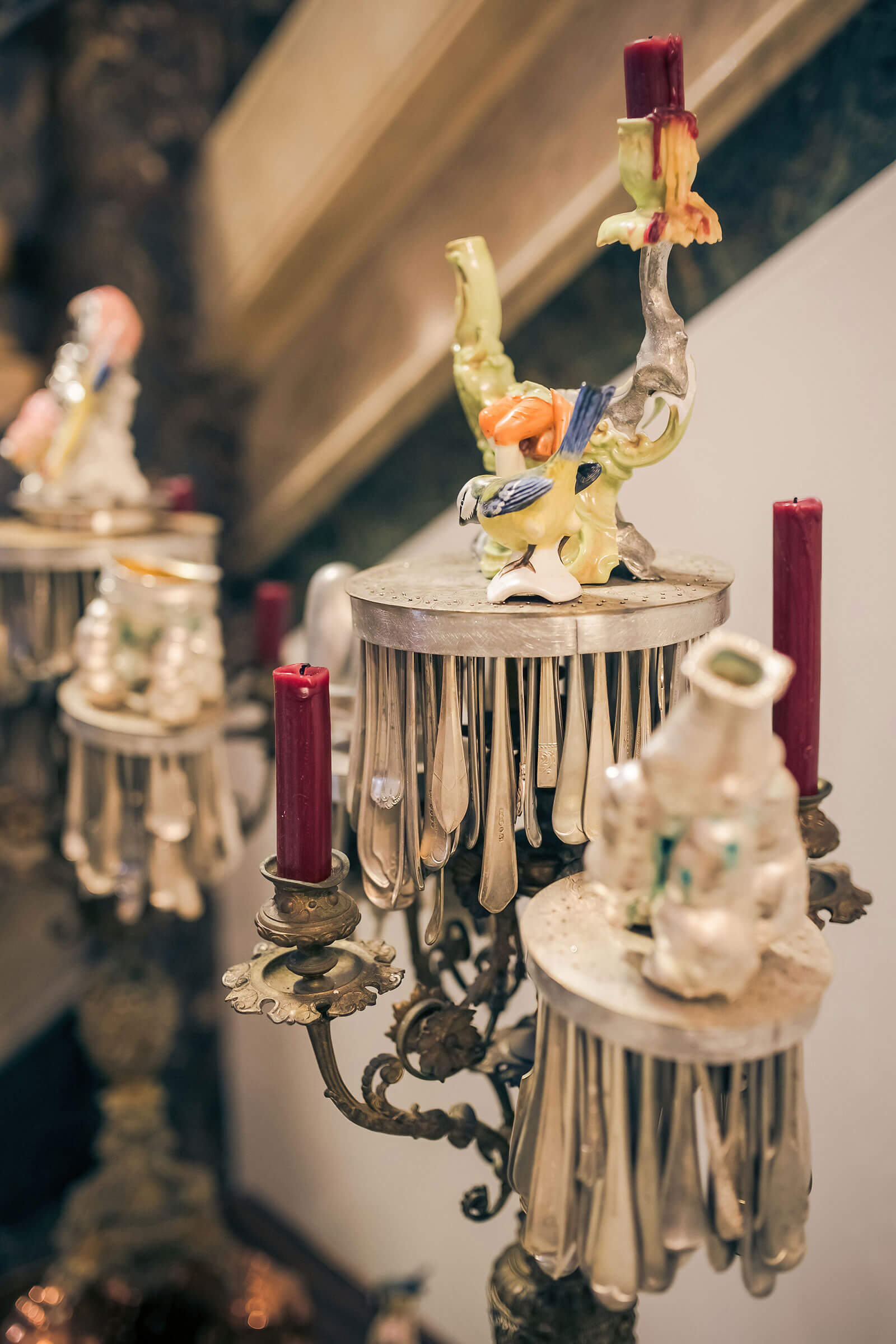
David Clarke, ‘Double Trouble’, 2024
COURTESY: Goldsmith’s Fair / PHOTOGRAPH: © Paul Read
Gallery FUMI (London): Kobina Adusah
London collectible design gallery FUMI is making its debut at Collect with the totemic work of Ghanaian ceramic artist, Kobina Adusah. A finalist in the Loewe Foundation Craft Prize in 2025, Adusah’s hand-built and thrown vessels and sculptures, fired but not glazed, simultaneously raw and cooked, vulnerable and imposing, draw both on Akan history and mythology and on the long global history of pottery.
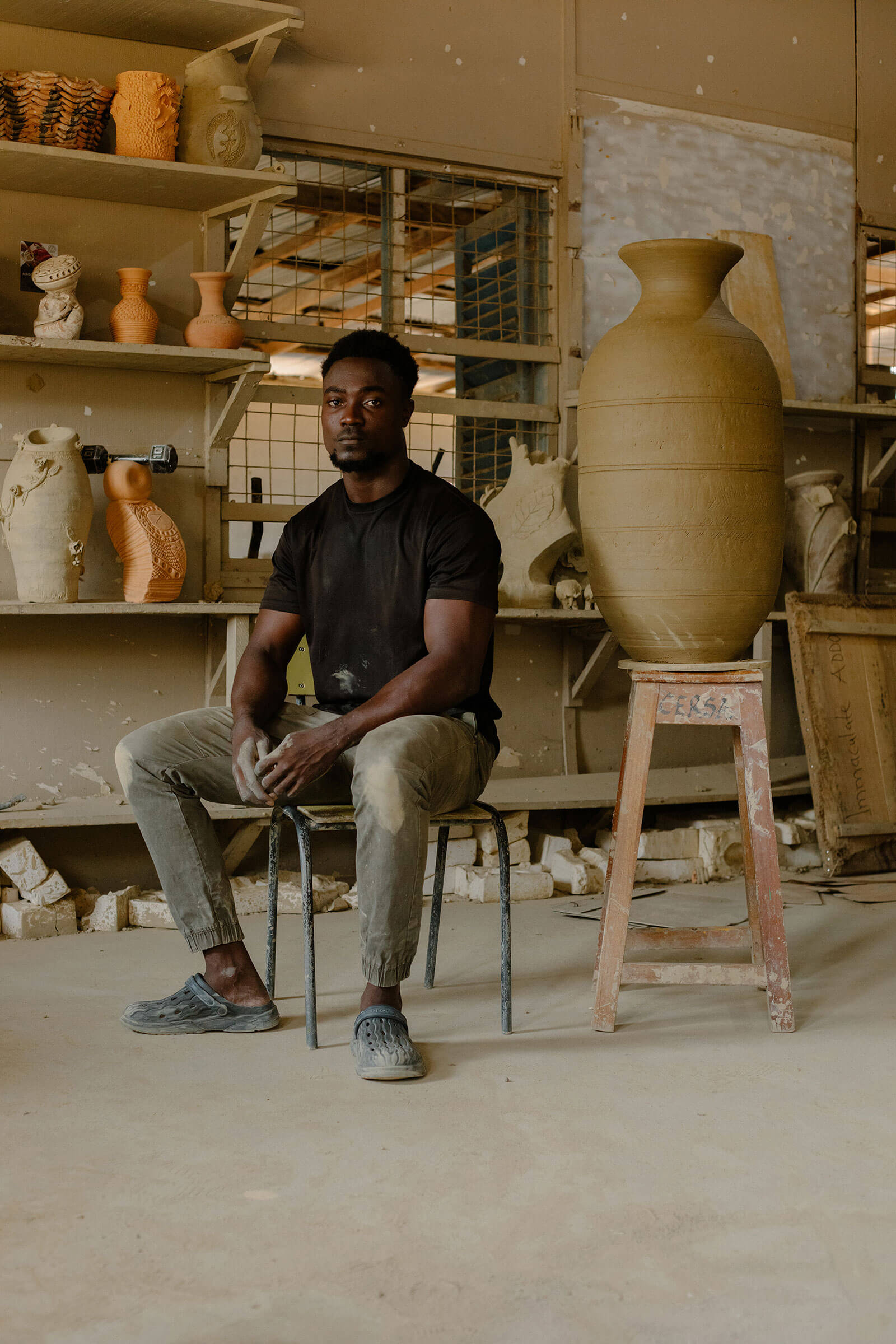
Kobina Adusah
COURTESY: Gallery FUMI / PHOTOGRAPH: © David Nana Opoku Adusah
For Adusah, clay is not an inert material but one alive with ancestral memory. The heads of ancestor figures sprout from his monumental vases and the sides are inscribed with delicately carved symbols. Meanwhile, his smaller vessels – echoing the forms of ancient Greek vases – are lovingly carved as if with stitches, reflecting Adusah’s mother’s skill as a seamstress. They bear tactile handles of twisted clay, with cracks in their surfaces to reflect the fragility of life and memory.
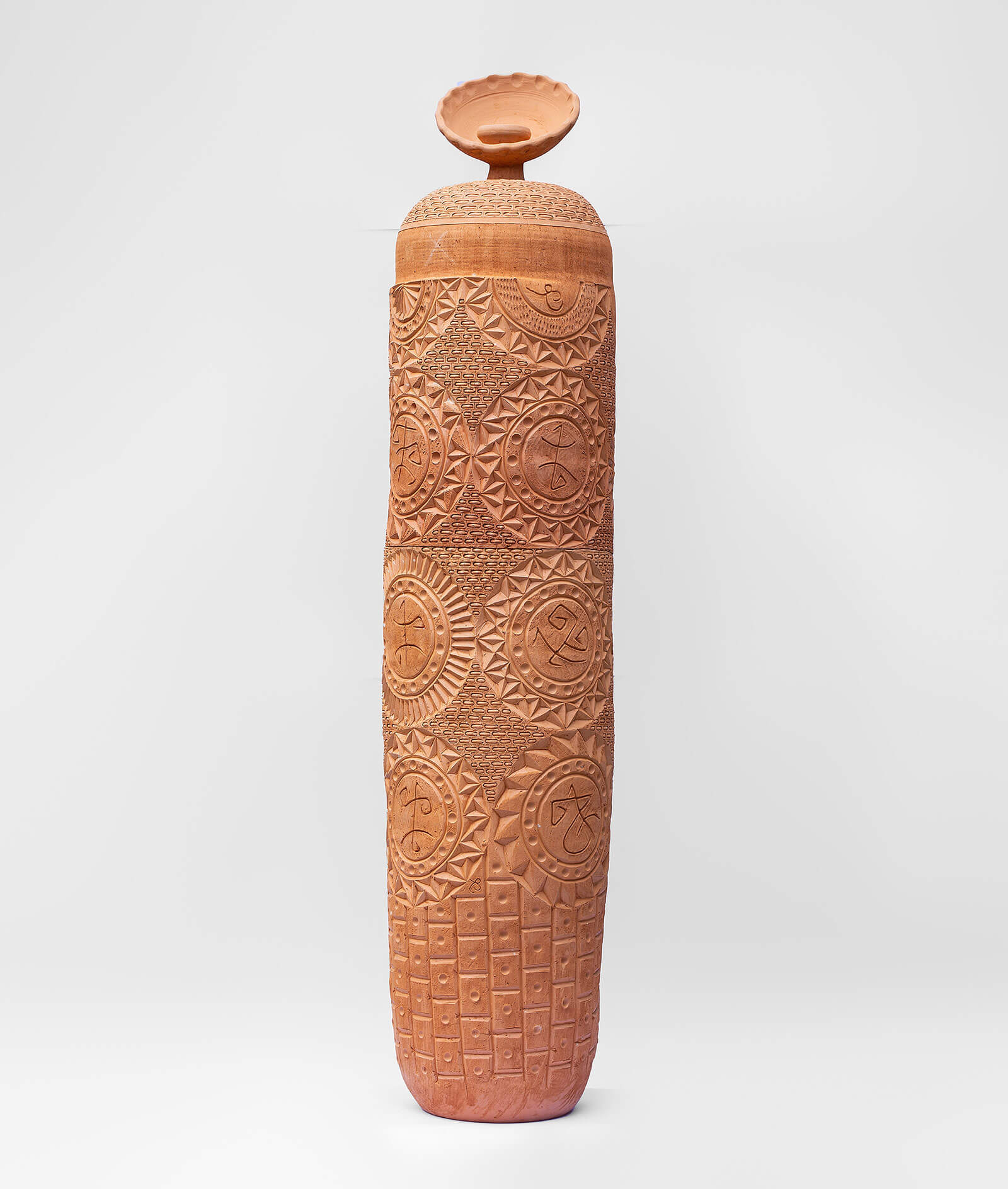
Kobina Adusah, ‘Woven Being’, 2025
COURTESY: Gallery FUMI / PHOTOGRAPH: © Joel Barimah
WAJOY: Japanese Urushi Masters (Japan)
The strong showing of contemporary lacquer at Collect this year reflects a burgeoning interest in this ancient and time-consuming craft. The British have long been admirers – one of the first acquisitions of the South Kensington Museum, founded in 1852, was Japanese lacquerware and in April, the V&A, as the museum is now named, will open ‘Urushi Now: Contemporary Japanese Lacquer’ in its Toshiba Gallery of Japanese Art. WAJOY is a new platform, founded by Mayumi Tachikawa, to bring Japanese craft to the world as a living language. Tachikawa was born into a three-generation family of gold leaf artisans, but for this global launch has chosen to focus on lacquer, showing the work of five artists, mostly from Ishikawa – her home province. Reia Momose builds her free and sculptural forms outwards from within, adding layers of lacquer to a base of hemp cloth, burnishing until the colours glow deeply.
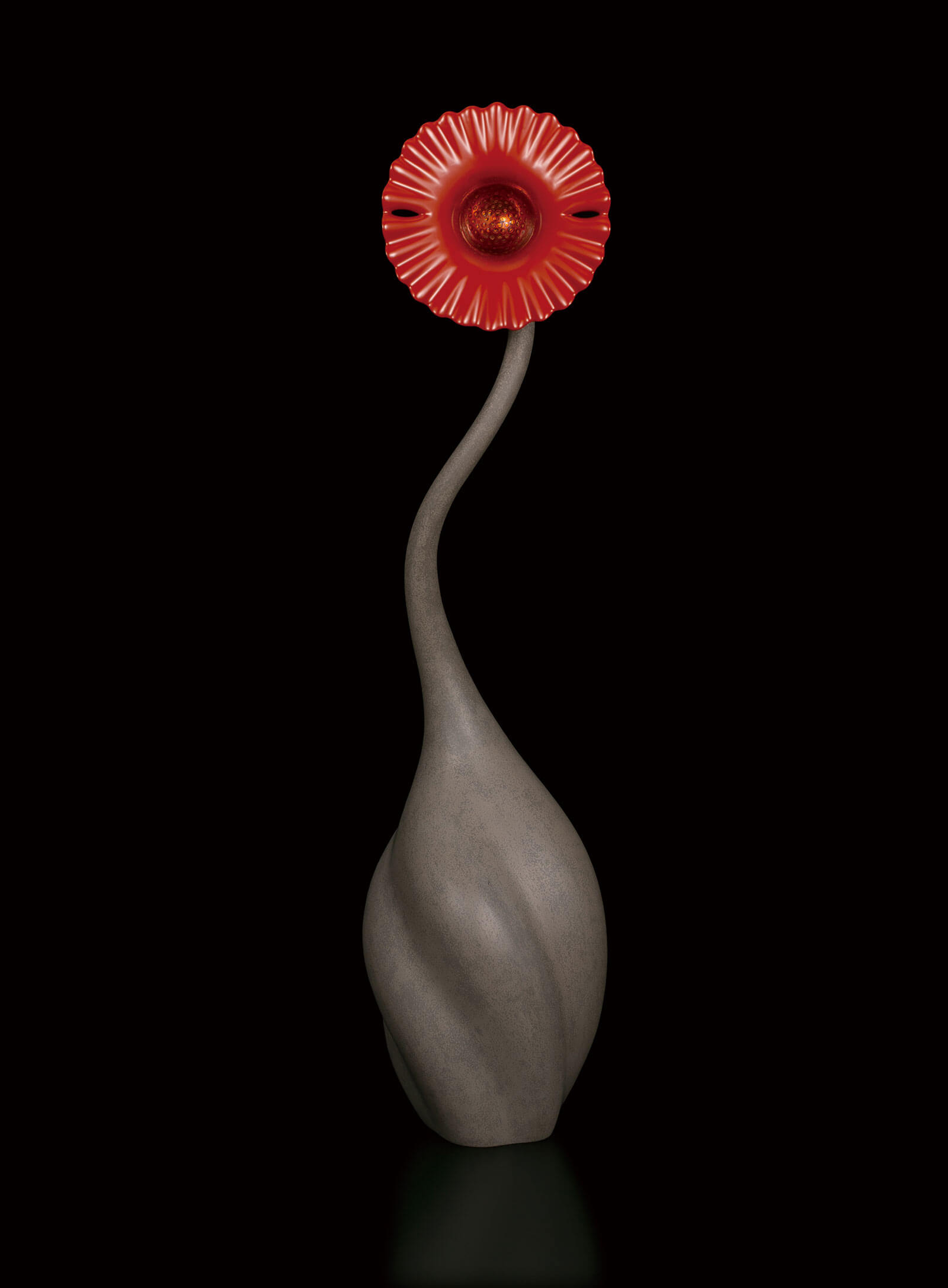
Reia Momose, ‘Fuka 2 (Incubated Fruit 2)’, 2024
COURTESY: WAJOY / PHOTOGRAPH: © Kichiro Okamura
Poland’s Creative Industries Institute: ‘Metamorphosis: Craft from Poland’ (Warsaw)
Under the expert curation of British journalist, broadcaster and curator, Corinne Julius, Poland’s Creative Industries Institute has orchestrated a group show of nine leading designers and artisans. Out to challenge preconceptions about Poland’s creativity, the display seeks to show the passion, intellectual rigour and ambition of contemporary Polish craft.
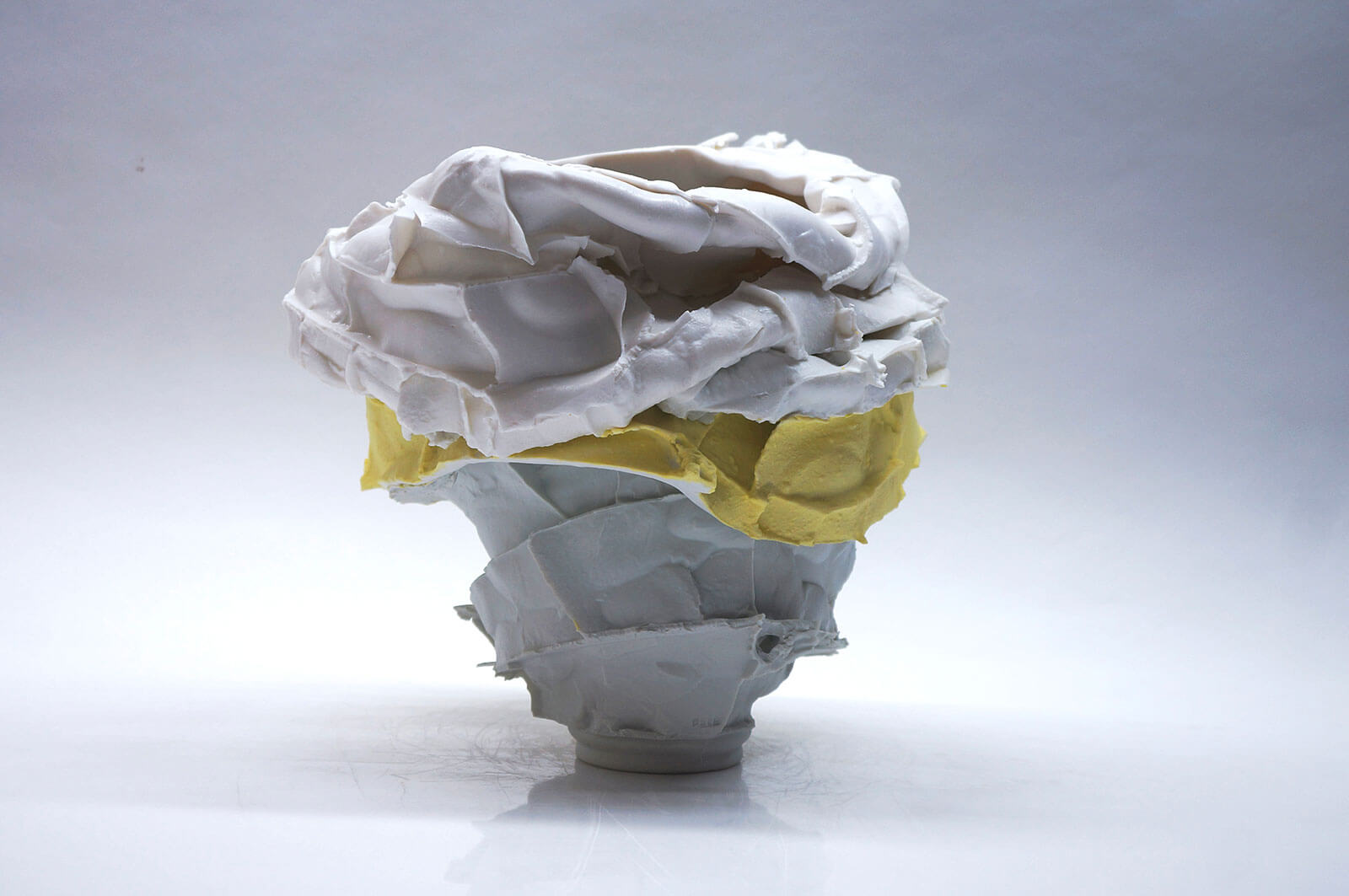
Monika Patuszyńska, ‘TransForm Plus’, 2025
COURTESY: Monika Patuszyńska & Collect
Experimentation with materials – from ceramics to wood, glass and paper and metal – is balanced by a poetic sensibility. Best known to British audiences is the work of Marcin Rusak, whose translucent flowers-in-resin pieces have beguiled audiences for years.
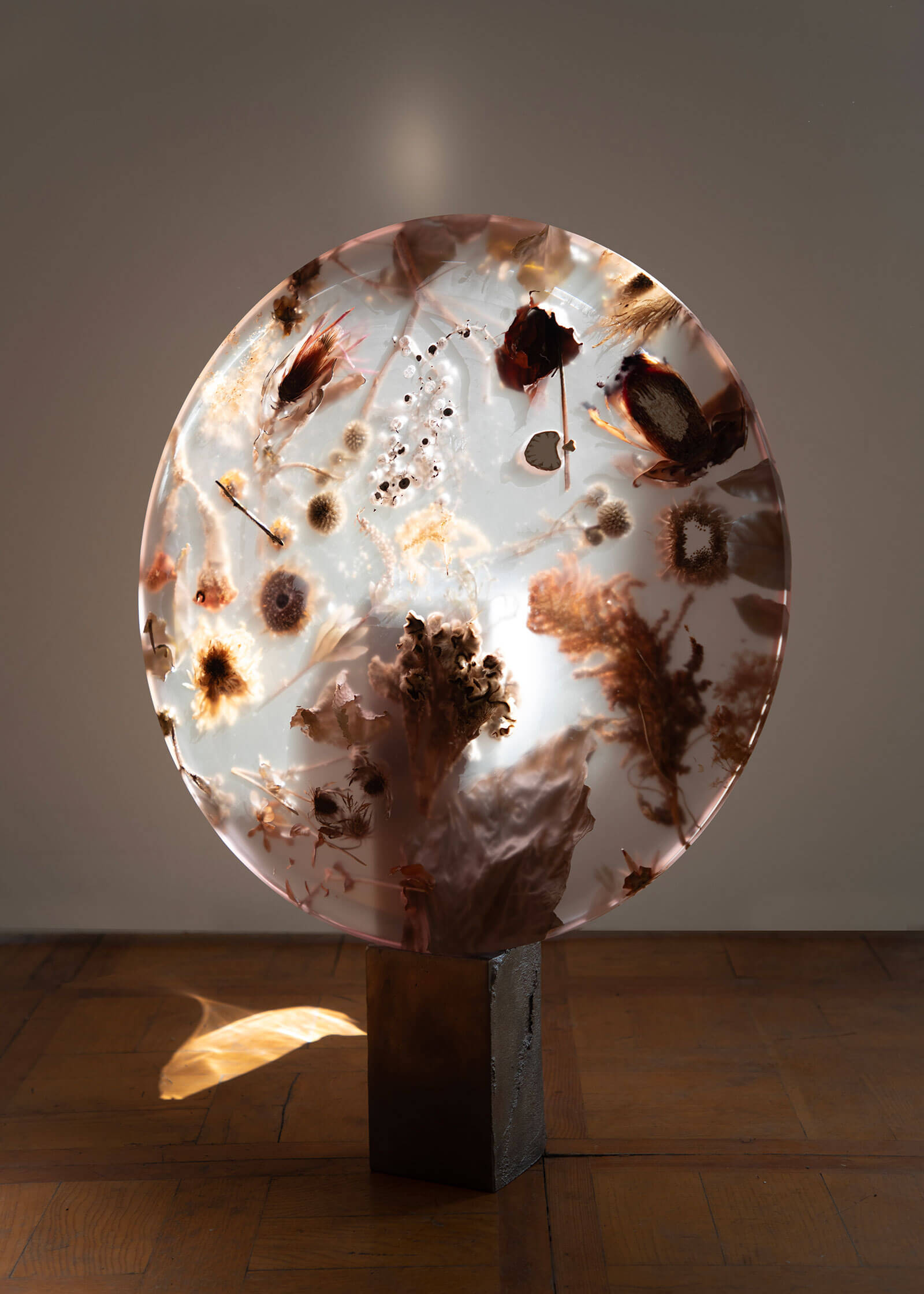
Marcin Rusak Studio, ‘Flora Lens Sculpture 65’
COURTESY: Marcin Rusak Studio
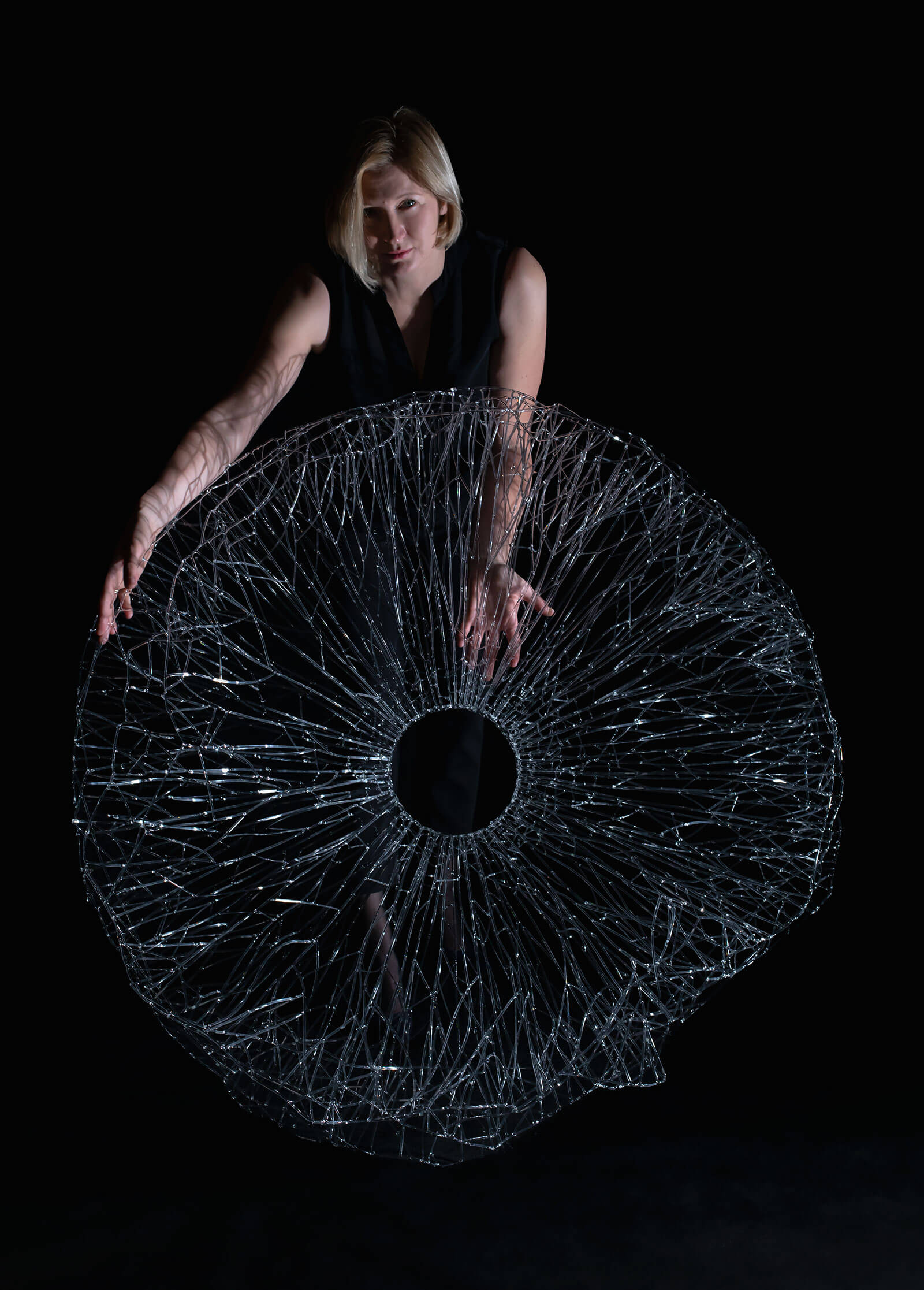
But look out also for Monika Patuszyńska’s exuberant ceramics, Agata Marchlewicz’s bold paper cutouts and Katarzyna Krej’s delicate glass installations.
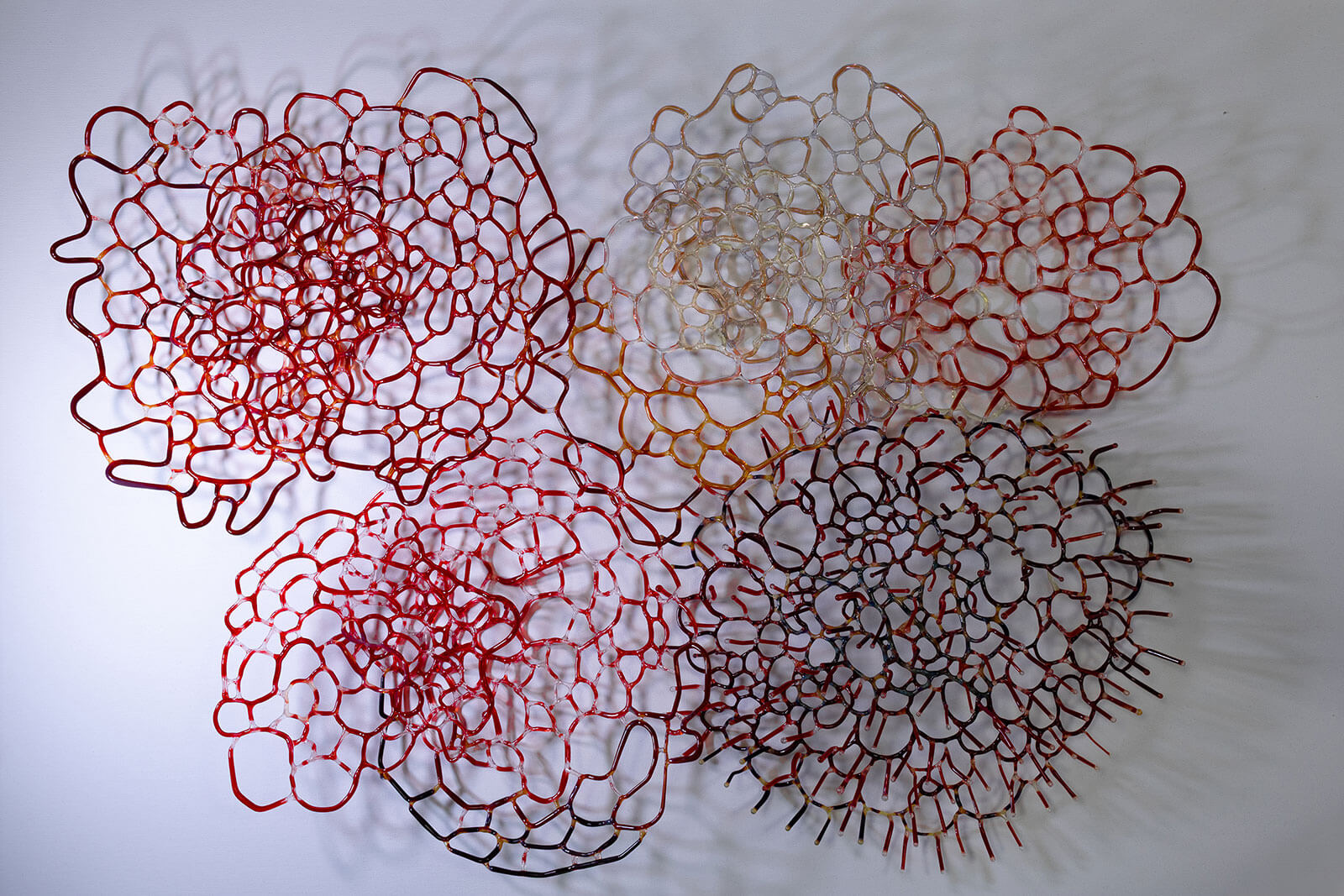
Katarzyna Krej, ‘Foreign Body 5’, 2026
COURTESY: Katarzyna Krej / PHOTOGRAPH: © Agnieszka Wira
Ben Austin Projects: Vanessa Barragão (Lisbon)
Ben Austin gallery, an independent curatorial platform for emerging and international artists, is offering a solo presentation of works by Portuguese artist Vanessa Barragão. In keeping with the ambition of other contemporary textile artists, Barragão uses her pieces, constructed from recycled dead yarn stock, both to summon the mystery and majesty of the sea and to create awareness of our fragile environment and ecosystem. Barragão honed her artisanal skills working as a designer in a rug factory in Porto, but her exquisitely crafted 3D suspended artworks, rugs and wall hangings are created using a whole variety of textile techniques, from latch hook, crochet and felting, to weaving and fibre manipulation. While rooted in her love of the natural environment, there is a surreal otherworldliness to her pieces – they seem to breathe with their own distinct vitality.
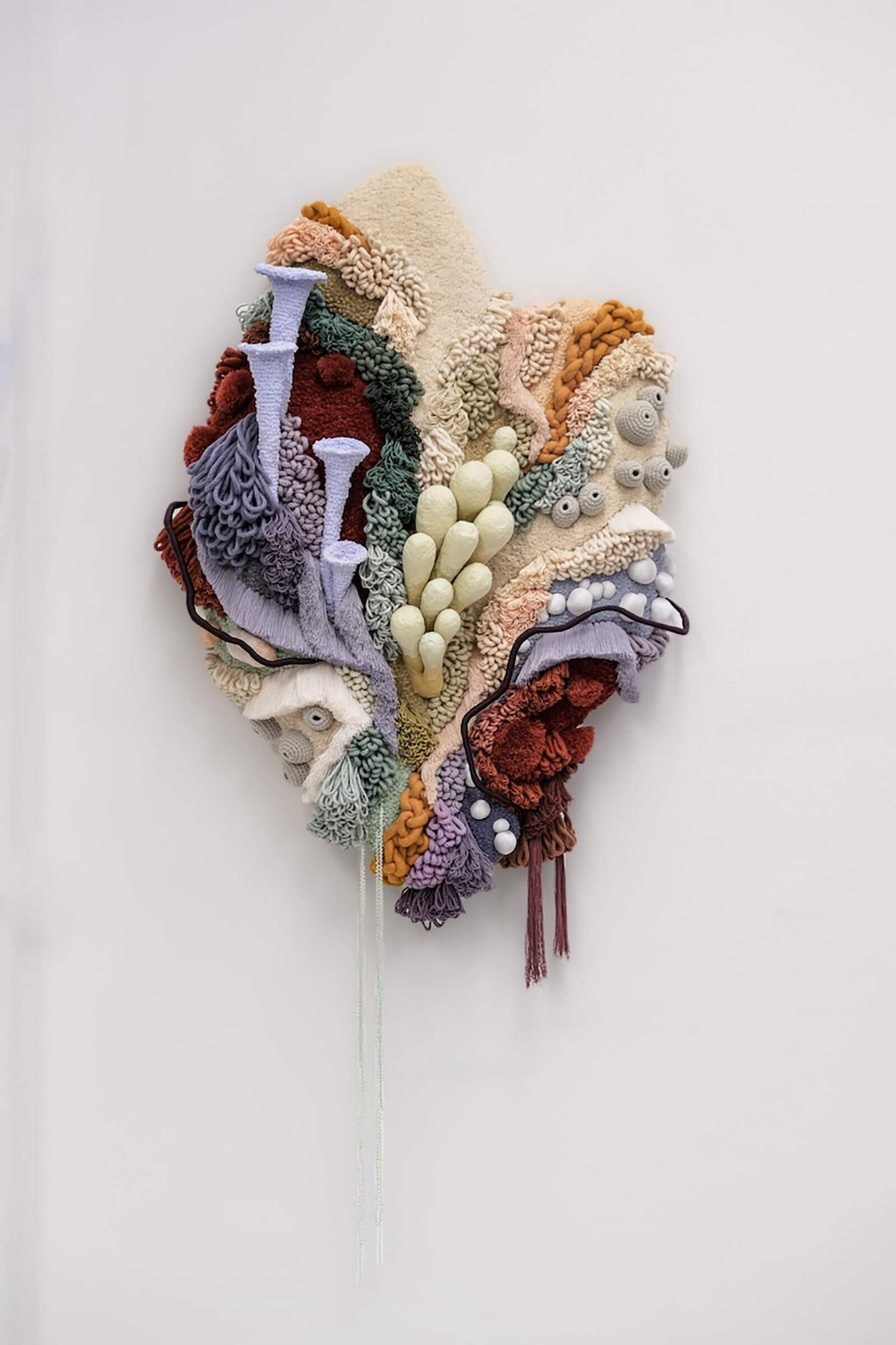
Vanessa Barragão, ‘Vital’, 2024
COURTESY: Vanessa Barragão and Ben Austin Projects
Jig Studio: Brazilian Design (London)
In a new departure for Collect, Jig Studio brings selected furniture pieces by Brazilian designers, which, while not individually crafted by them, are rooted in the modern design and craft traditions of Brazil. The Studio, with a physical space on Lexington Street in the heart of Soho, is the joint enterprise of British architect Richard Penman and Brazilian design strategist and entrepreneur, Grace Németh.
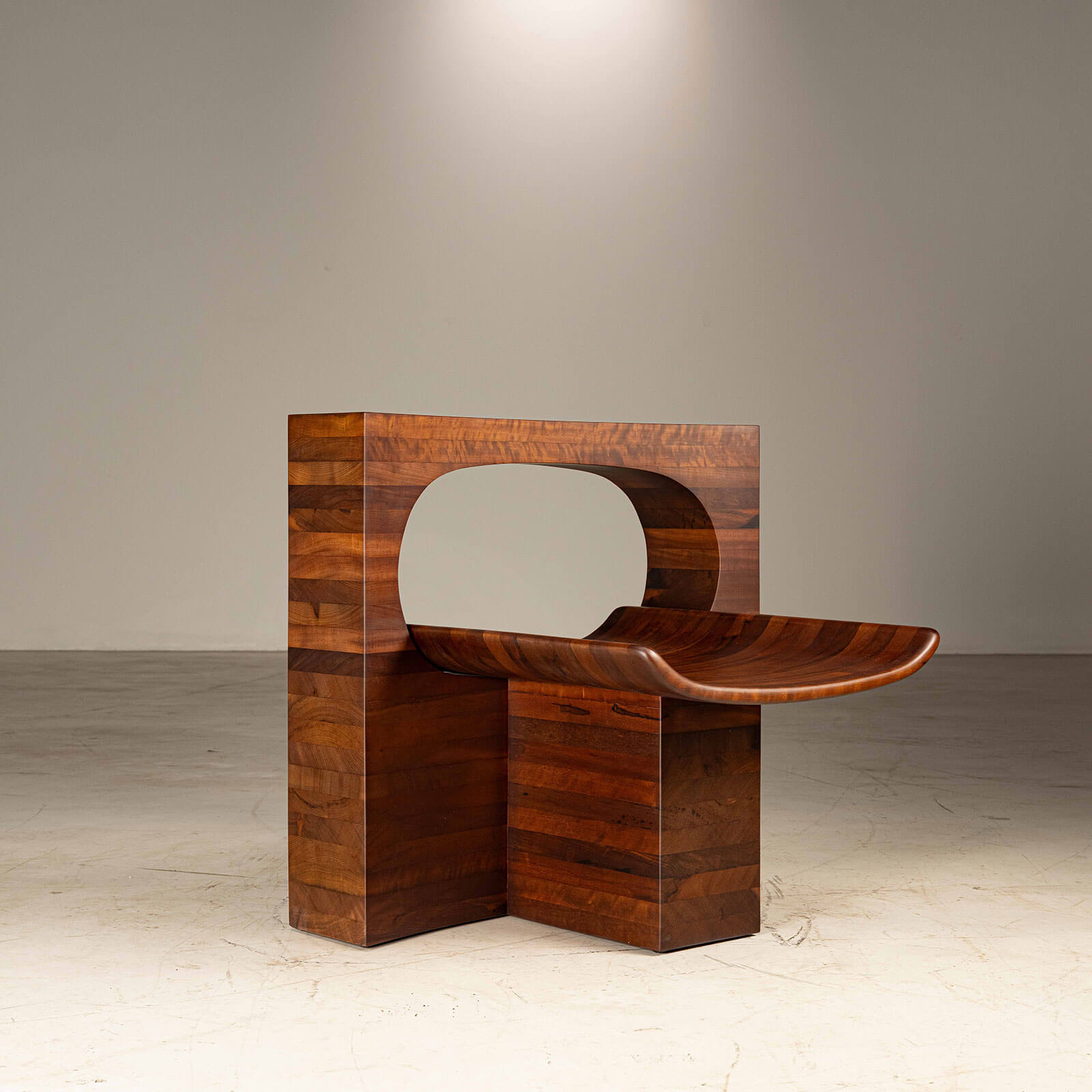
Ronald Sasson, ‘BYA N.10’, 2025
COURTESY: Jig Studio / PHOTOGRAPH: © Ale Ruaro
They collaborate with a roster of Brazilian designers and architects, showing work that for them exemplifies “heritage without nostalgia” – including Ronald Sasson’s sensual and enigmatic sculptural furniture piece, ‘BYA N.10’, 2025, and Humberto de Mata’s flamboyant ‘Orgus Floor Lamp N. 08’, 2024. Trained in architecture and urbanism, some years ago de Mata attended a workshop given by the Campana Brothers in Boisbouchet. Inspired, he moved to São Paulo where he has established a studio dedicated to manual construction techniques, using a variety of materials and collaborating with local artisans and small industries.
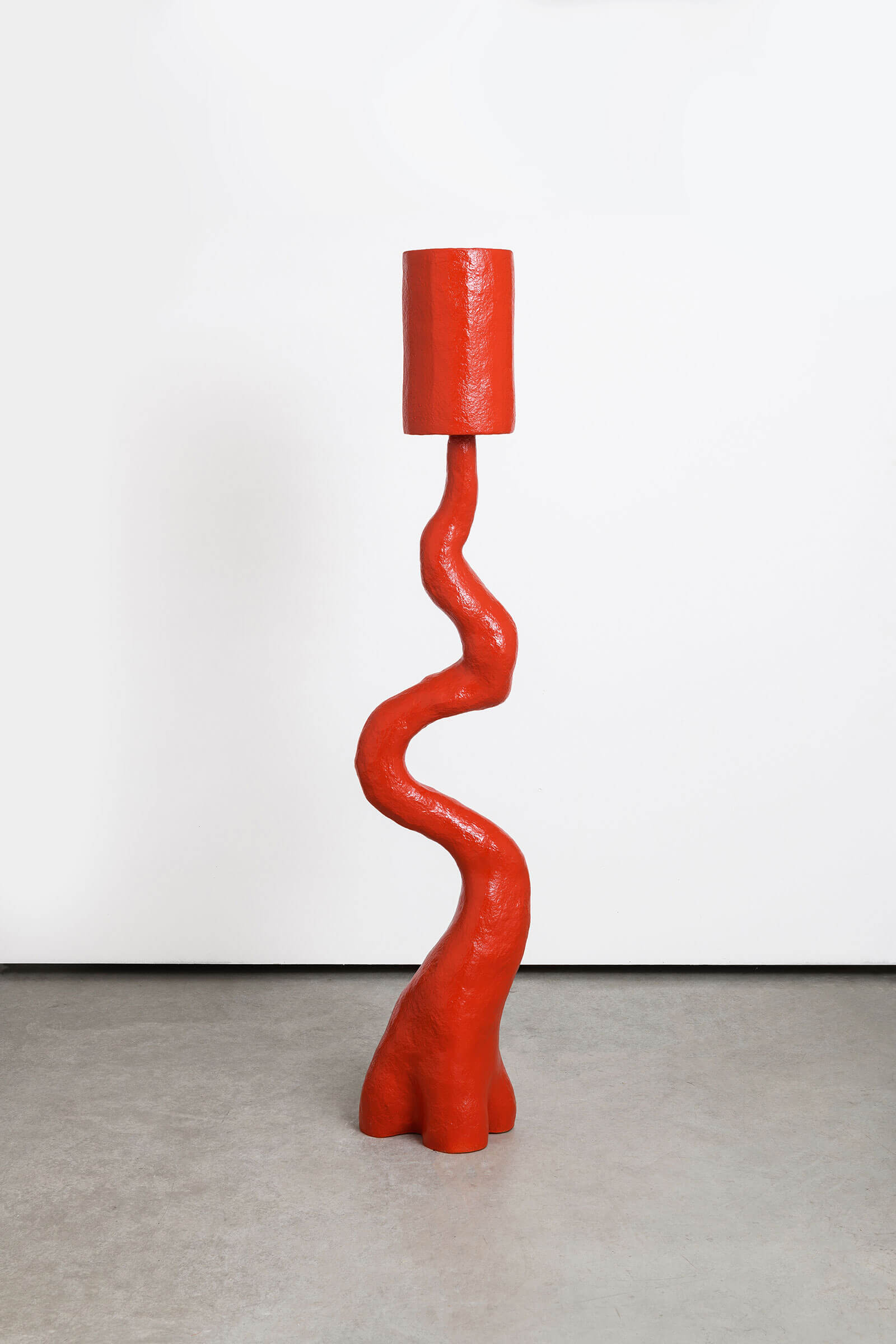
Humberto de Mata, ‘Orgus Floor Lamp N. 08′, 2024
COURTESY: Jig Studio / PHOTOGRAPH: © Giuliana Ramaglia
Collect Open: Chloe Lennon
Chloe Lennon’s work exemplifies the role of Collect Open – to shed light on fascinating work by emerging artists which challenges our thinking and stretches traditional ways of making. An Irish ceramic artist with degrees in her discipline from NCAD Dublin and the RCA in London, Lennon interrogates our relationship with the materials she is trained to use. Rather than accepting the brilliance of gold, or the transformations of copper, she investigates where these materials come from and what it costs to deliver them – both in terms of environmental degradation and in human harm. What should the balance be between the creation of beauty and the consequential fragmenting of nature into landscapes to be exploited? While seeking to minimise her own environmental impact, her sculptures and objects dramatise this disequilibrium through their emphatic surfaces and evocations of the violence that is part of their complex beauty.
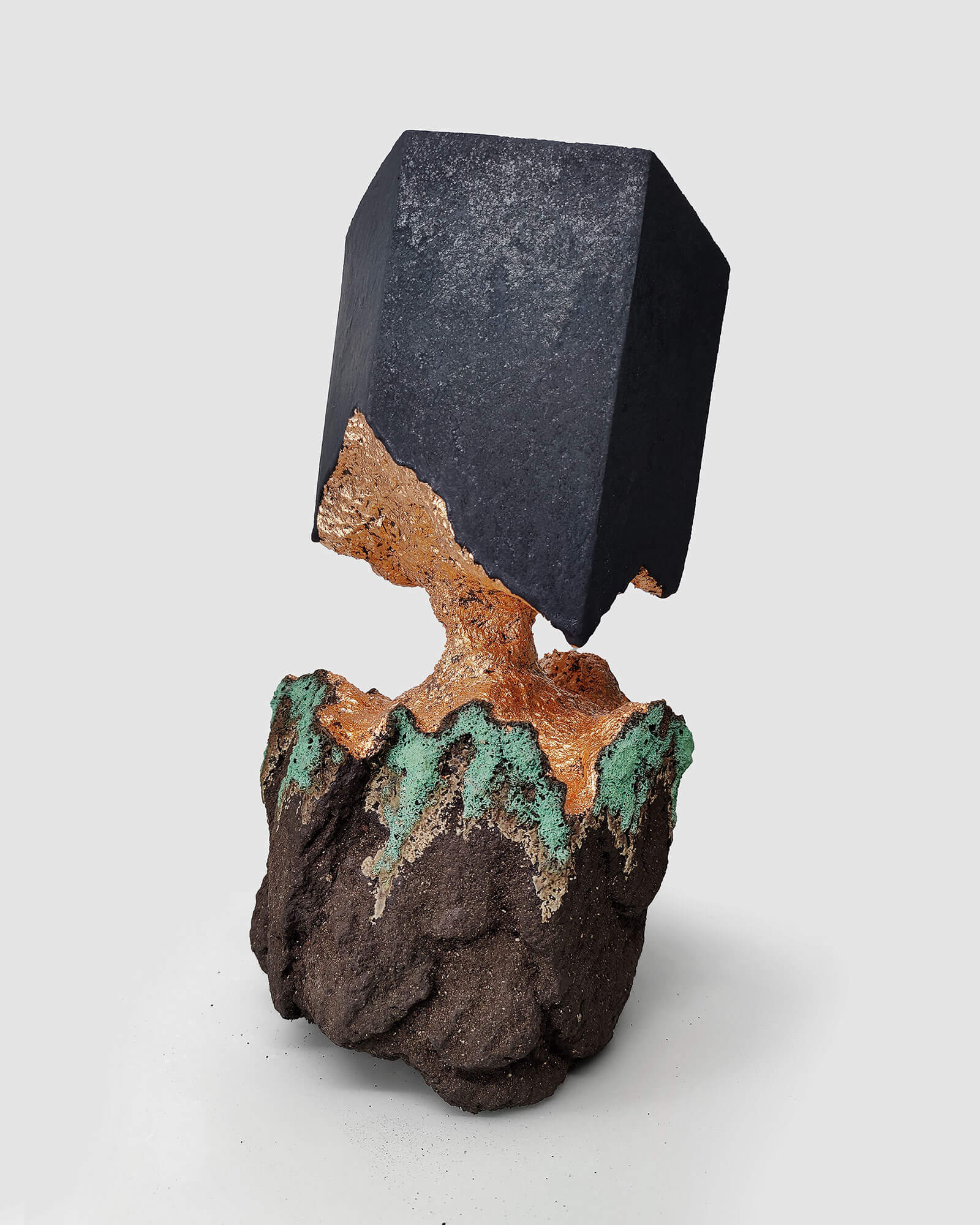
Chloe Lennon, ‘Transmutation’, 2023
COURTESY: Chloe Lennon