Alice Stori Liechtenstein and Junko Mori
The curator and artist discuss metal, the theme of this year’s Schloss Hollenegg for Design.
Schloss Hollenegg for Design
Element: Metal
9th – 31st May 2026
By Emma Crichton-Miller / 11th May 2026
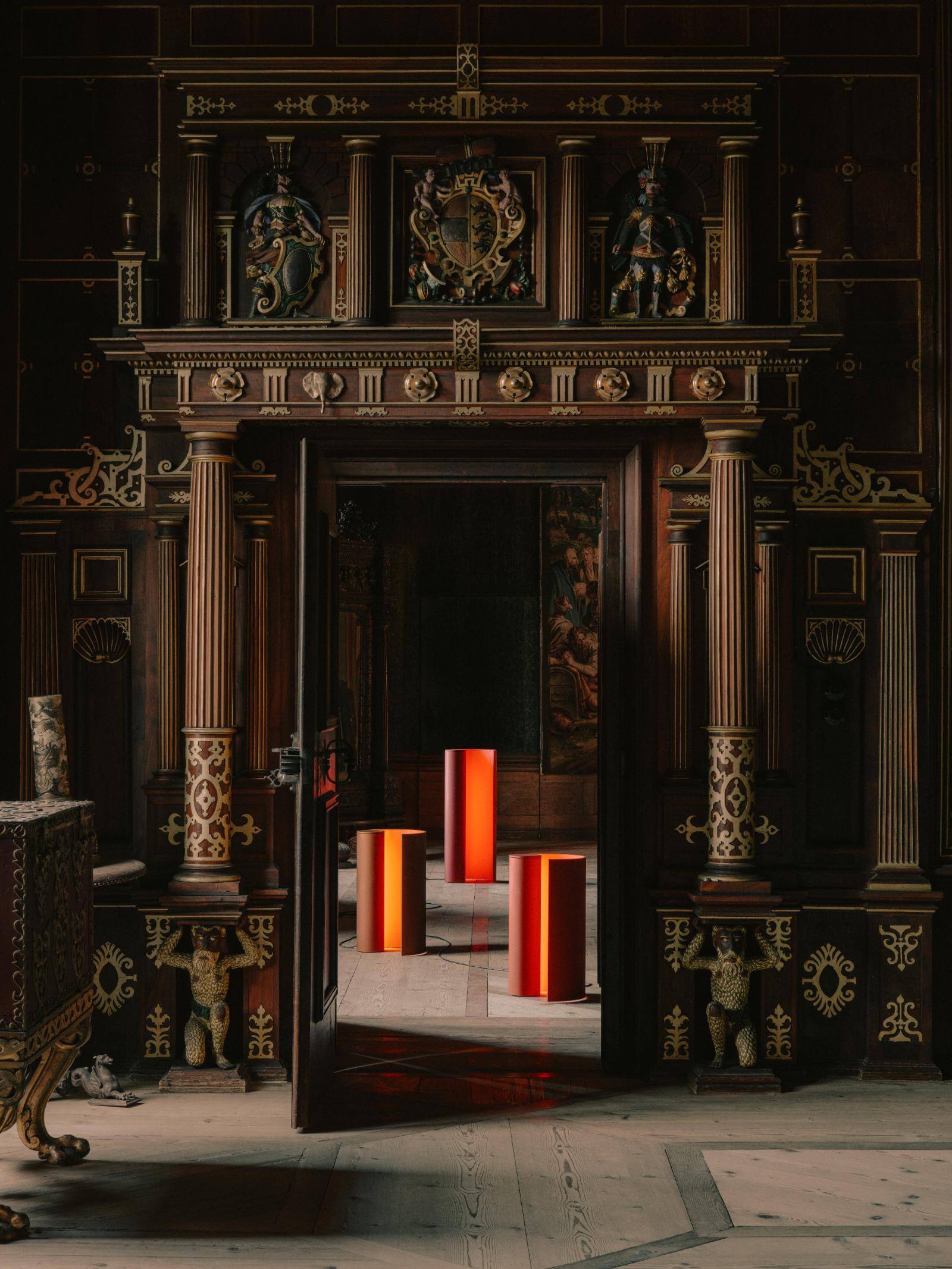
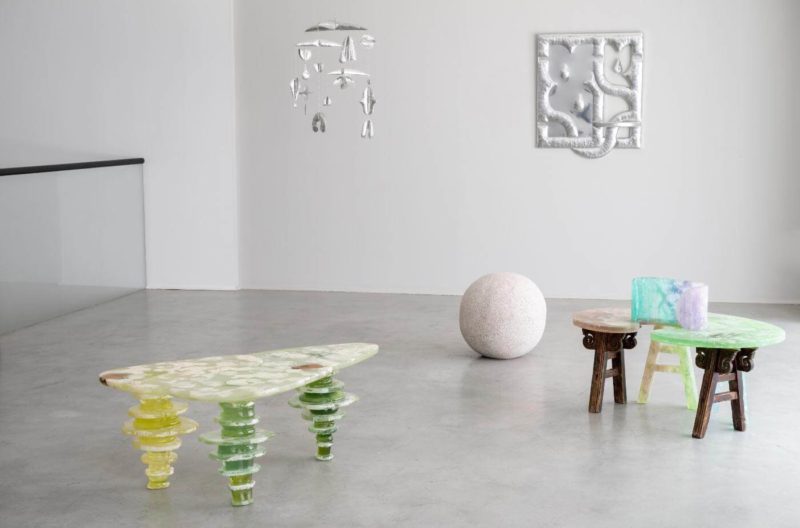
Exhibition view with work by Sabine Marcelis
COURTESY: Sabine Marcelis & Schloss Hollenegg for Design / PHOTOGRAPH: Julius Hirtzberger
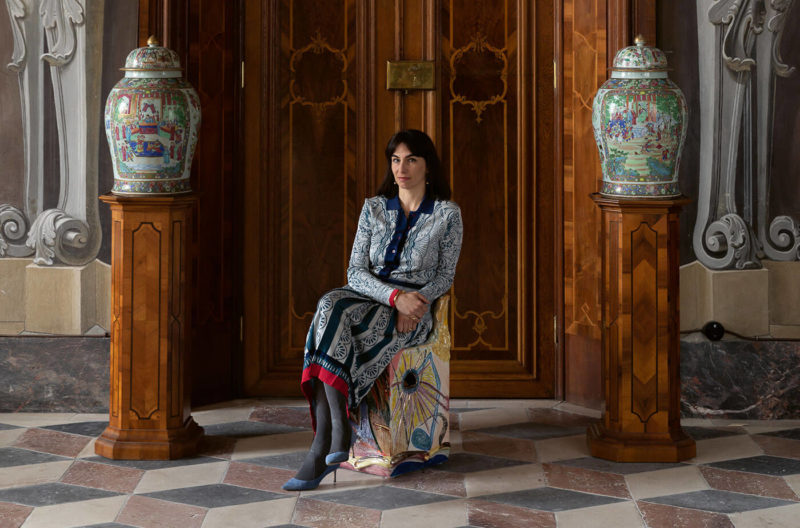
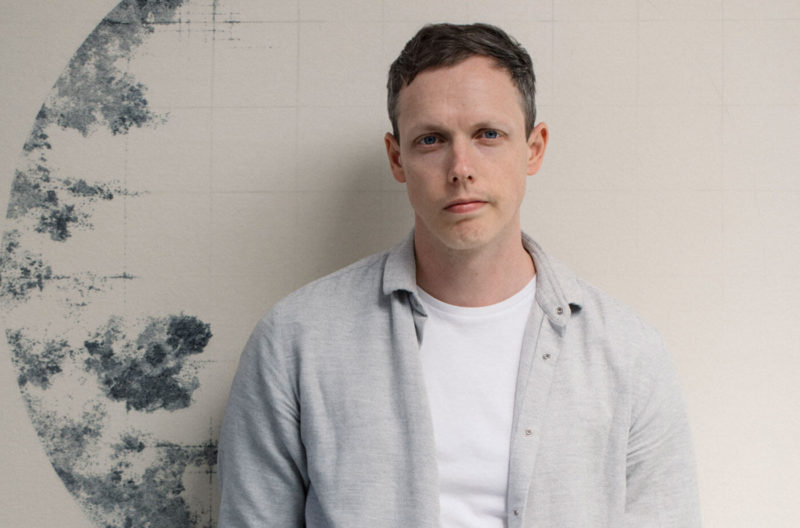
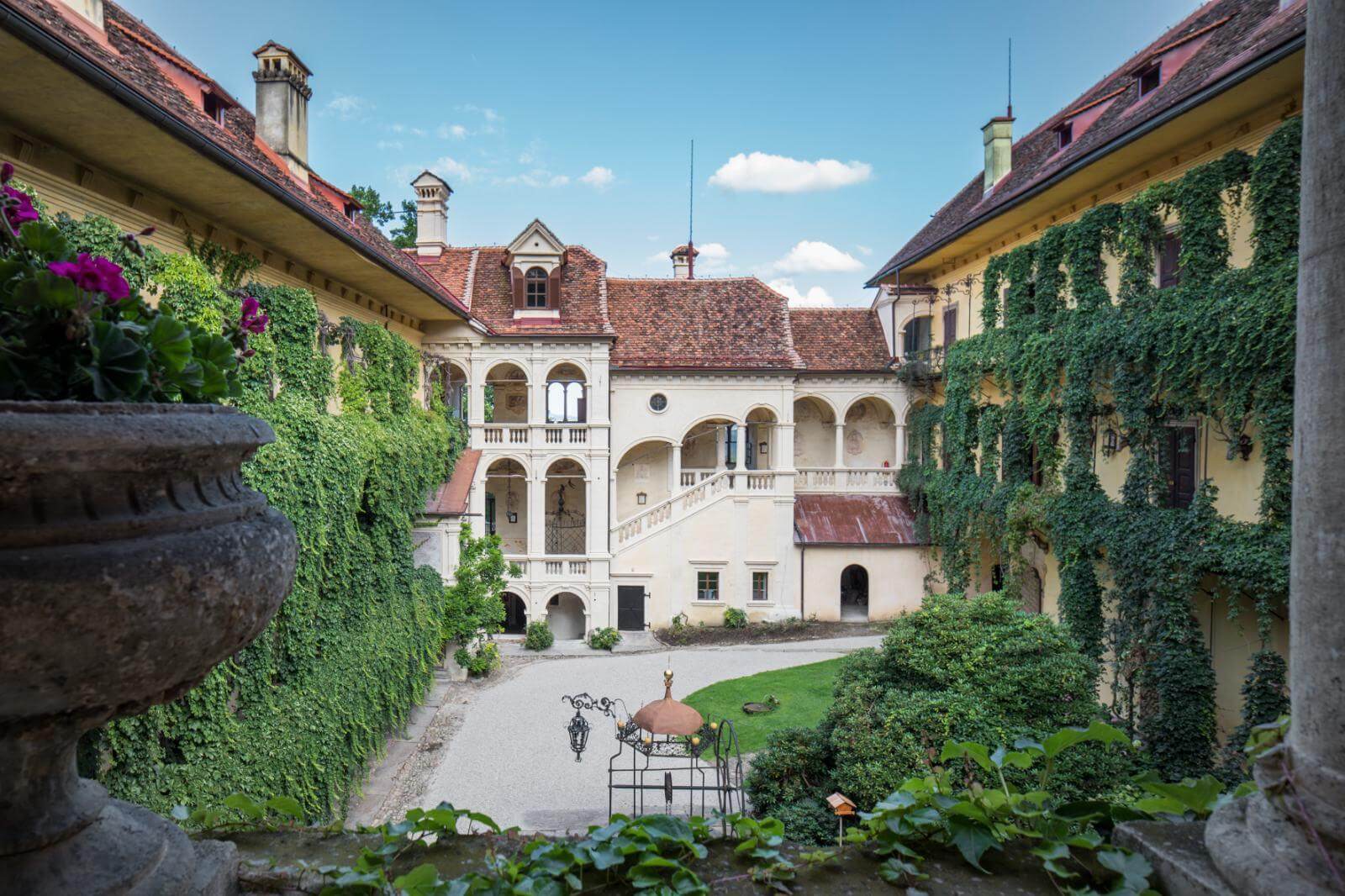
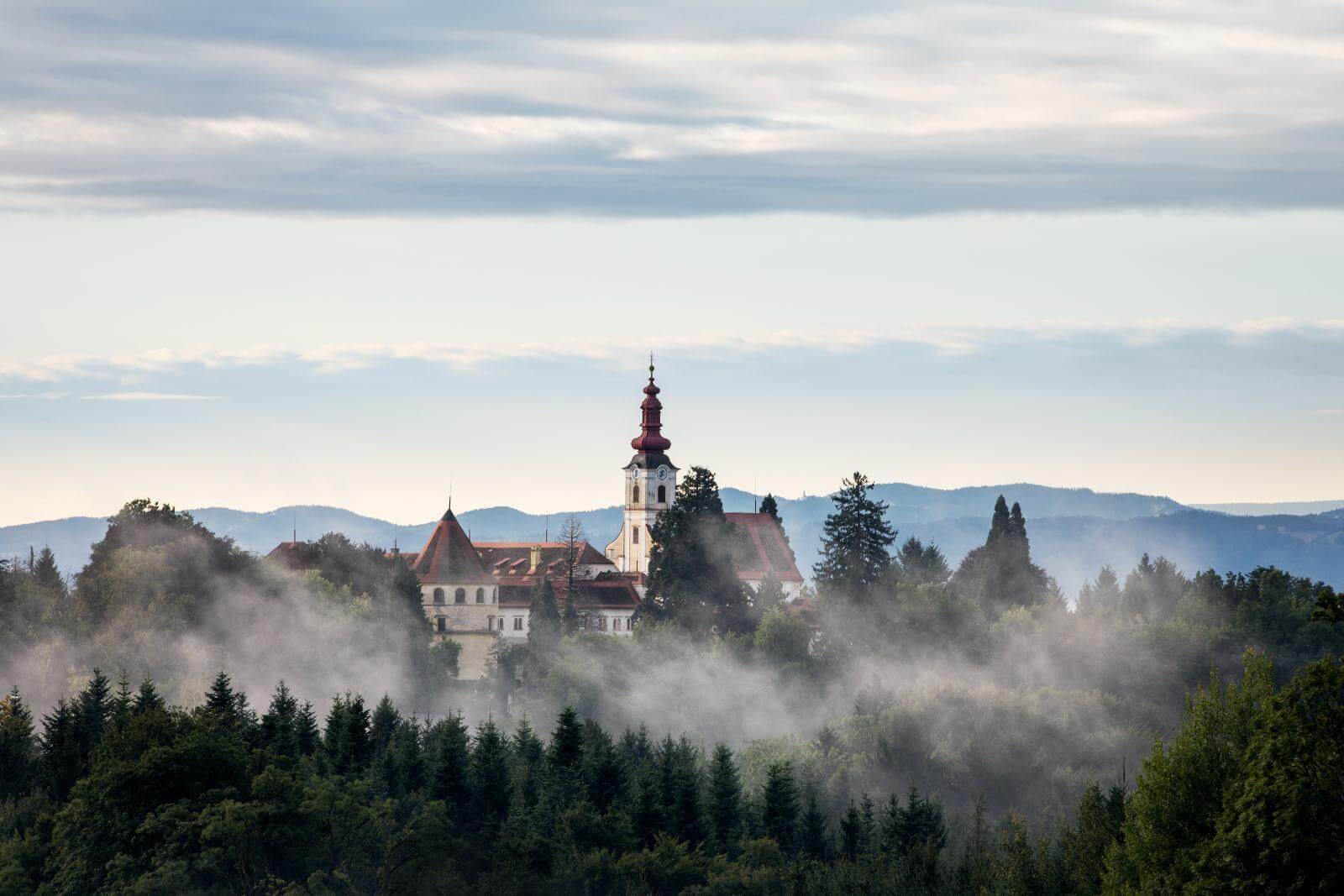
THIS MAY, ALICE Stori Liechtenstein has once again opened her home at Schloss Hollenegg, in the Styrian mountains of Austria, for a month-long celebration of design. Schloss Hollenegg for Design has been running annually since 2015, a platform for young and established designers. This year, the theme is ‘metal’. Liechtenstein has brought this often overlooked material to the forefront, inviting visitors to explore “an environment in which metal is everywhere—embedded, layered, and impossible to ignore.” As the show opened, The Design Edit invited Liechtenstein and the Yokohama-born, British-based metalsmith, Junko Mori, who has just completed a residency in the castle, to talk to us about this year’s show.
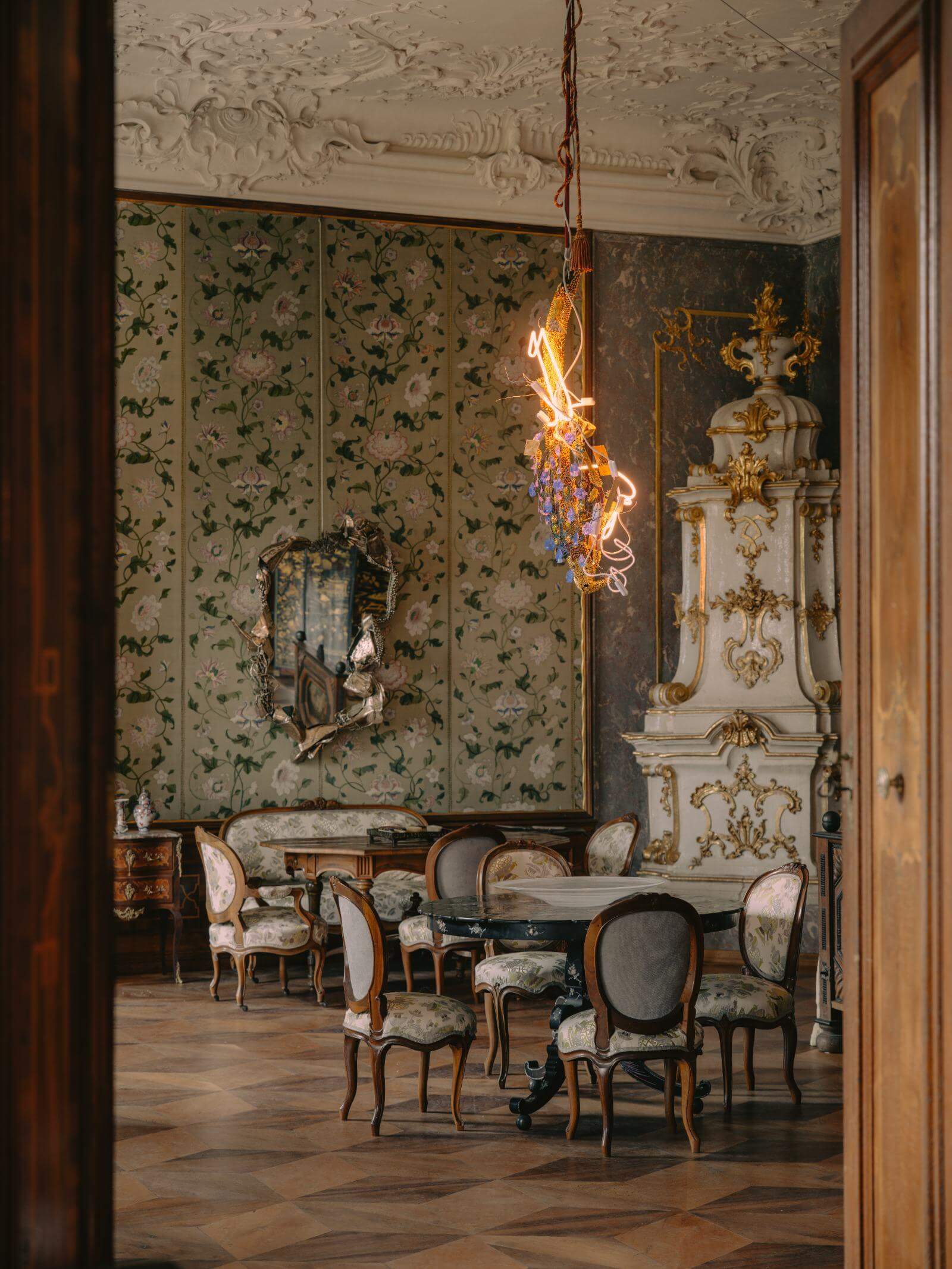
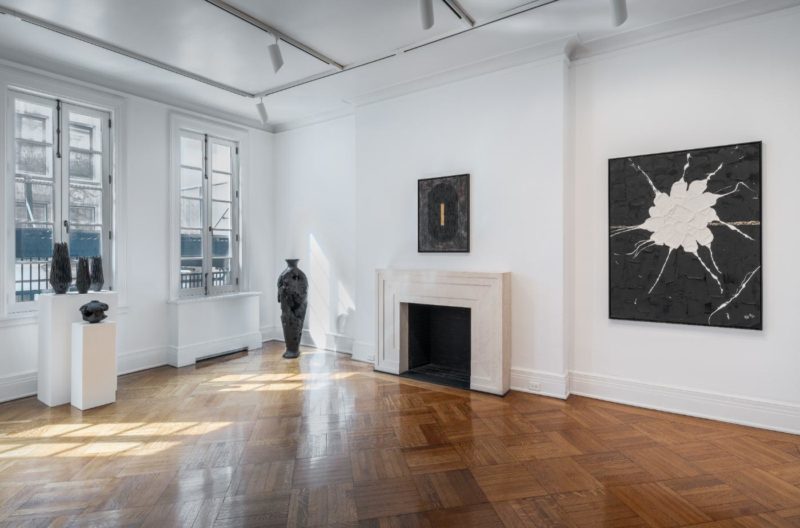
Exhibition view with work by Elliott Hundley
COURTESY: Elliott Hundley & Schloss Hollenegg for Design / PHOTOGRAPH: Julius Hirtzberger
TDE: Alice, why did you choose metal for this year’s theme?
ASL: This is the last of a series of five exhibitions we have dedicated to materials. We kicked off with ceramics, followed by glass, wood and textiles; it felt a good closing moment would be metals. These are materials that are very present in the rooms of the castle.
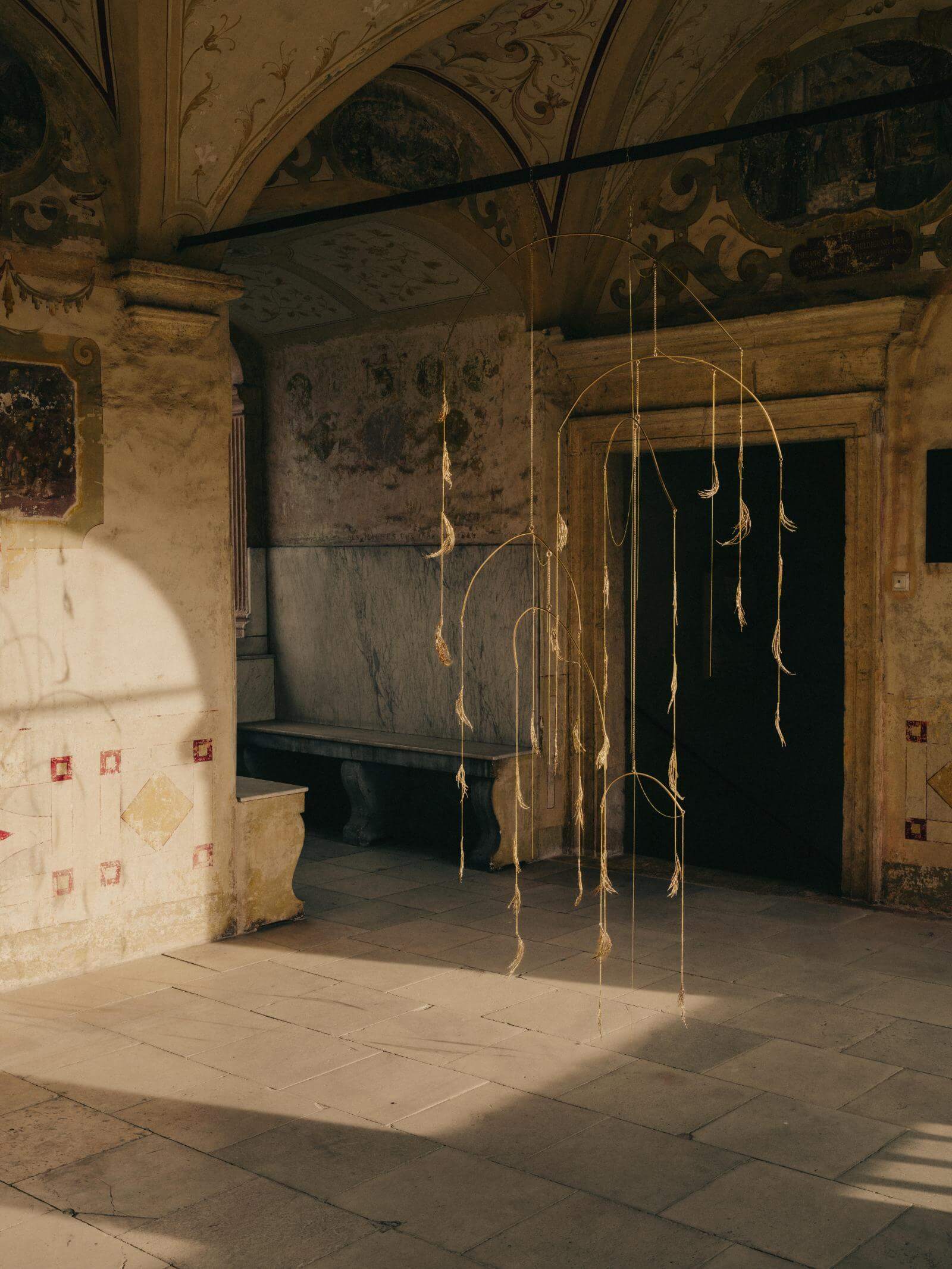
Exhibition view with work by Lorenzo Zerbini
COURTESY: Lorenzo Zerbini & Schloss Hollenegg for Design / PHOTOGRAPH: Julius Hirtzberger
TDE: What metal work is there in the castle?
ASL: First of all, there’s a lot of metal in the structure. You use metal whenever you need something that can withstand a lot of wear and tear, a lot of pressure – so all the hinges of the doors, the handles and the windows. Then there are swords, a cannon and an armoury, which is typical of castles, and strange things like orders and medals.
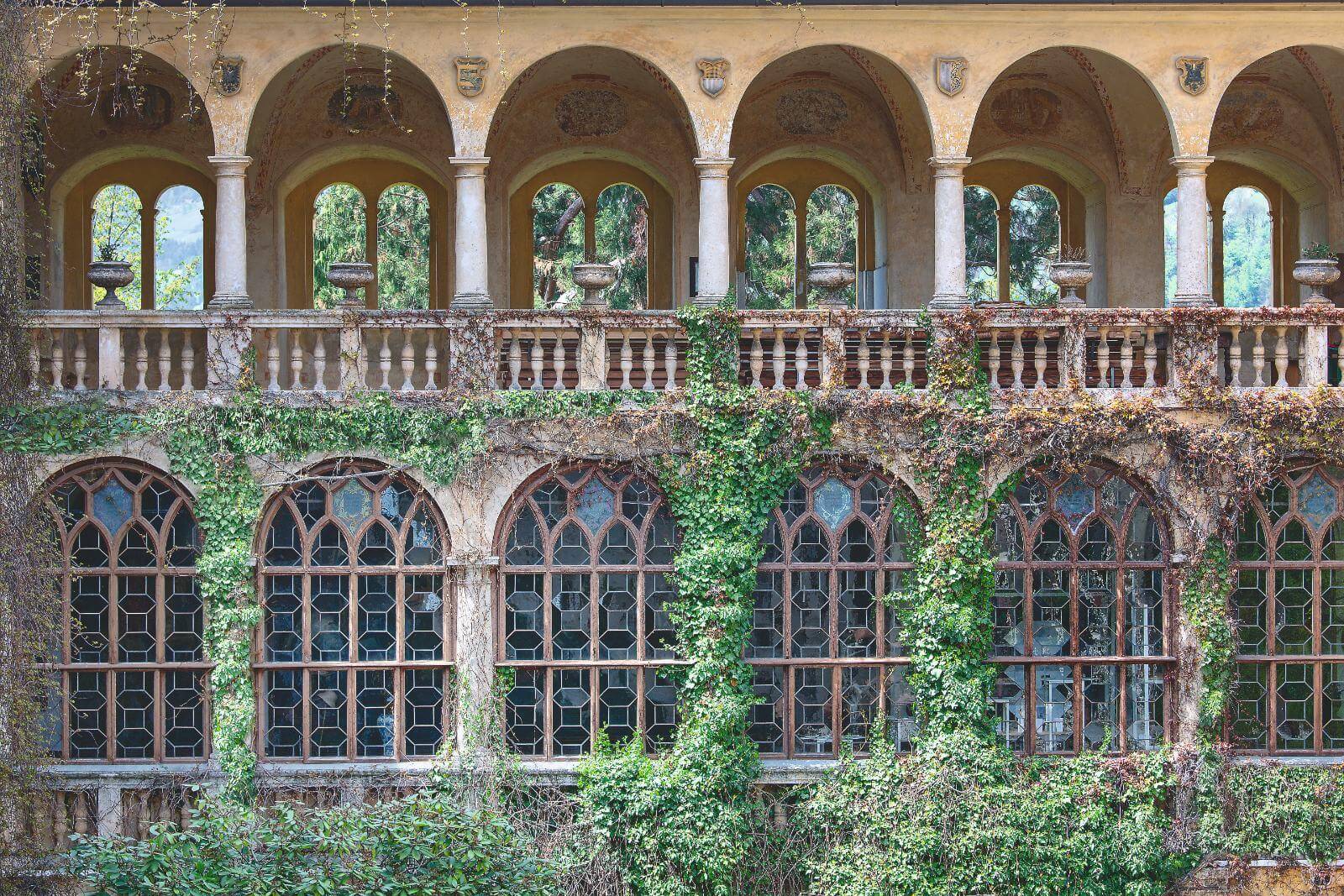
Schloss Hollenegg
COURTESY: Schloss Hollenegg Design / PHOTOGRAPH: Robyn Lea
TDE: Junko, at what point did you come to metal as a material?
JM: I did three-dimensional design in Tokyo. We had terms with different materials: wood, glass, ceramic, plastic and metal. Metal was the hardest material for me and I love a challenge. I was also drawn by metal’s functionality. If you look at your life, metal is everywhere – but it’s kind of hidden. Especially I fell in love because it’s very industrial and also quite a humble and abundant material. And it has played a significant role in history.
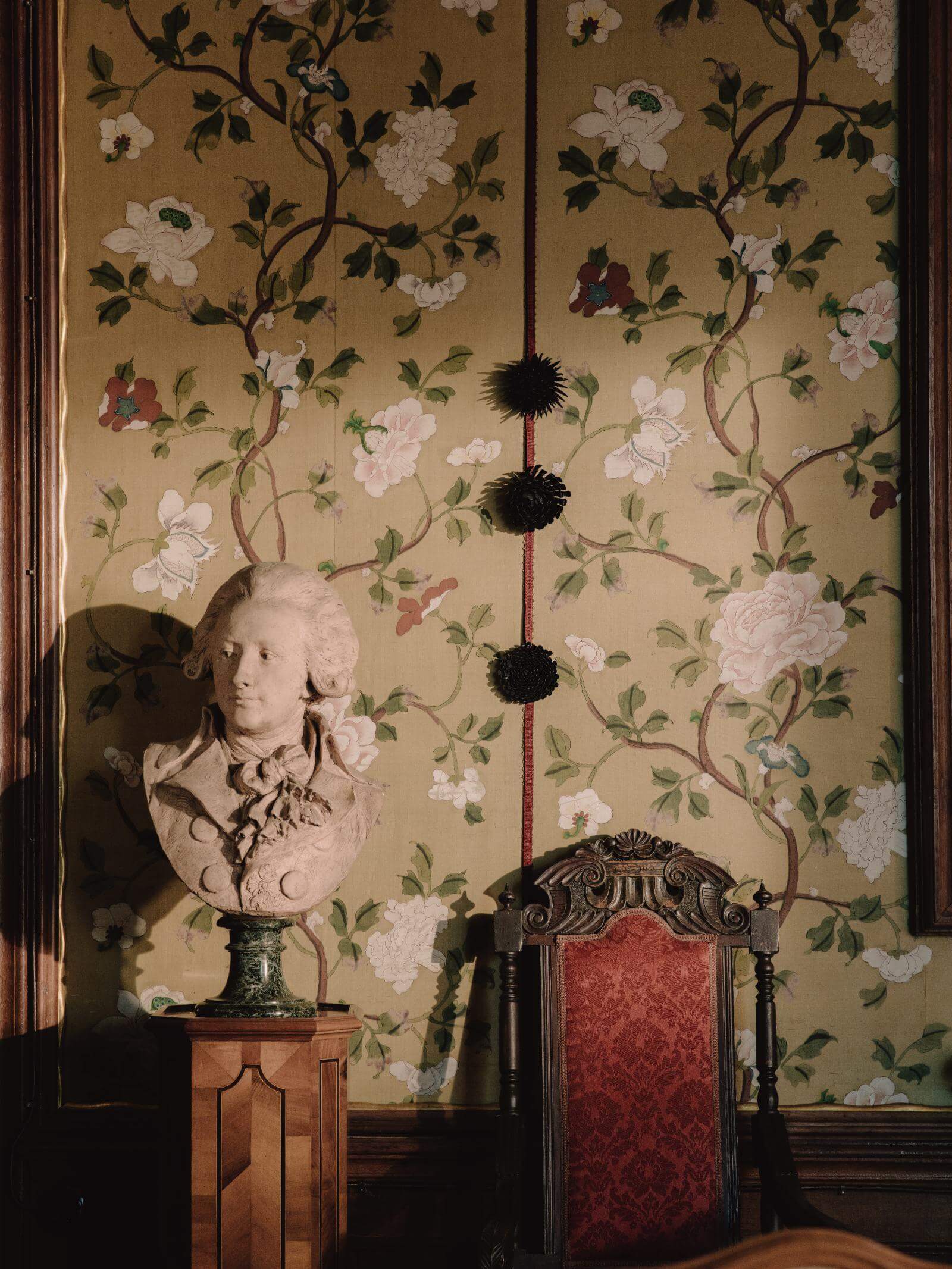
Exhibition view with work by Junko Mori
COURTESY: Junko Mori & Schloss Hollenegg for Design / PHOTOGRAPH: Julius Hirtzberger
TDE: After your undergraduate degree in Tokyo, you worked in various industrial settings before coming to London in 1998? Why was that?
JM: I wanted to study further. I enrolled on a BA in Silversmithing & Metalwork at Camberwell because I wanted to learn decorative metalwork. There I was drawn into this area of semi-function, between art and crafts.
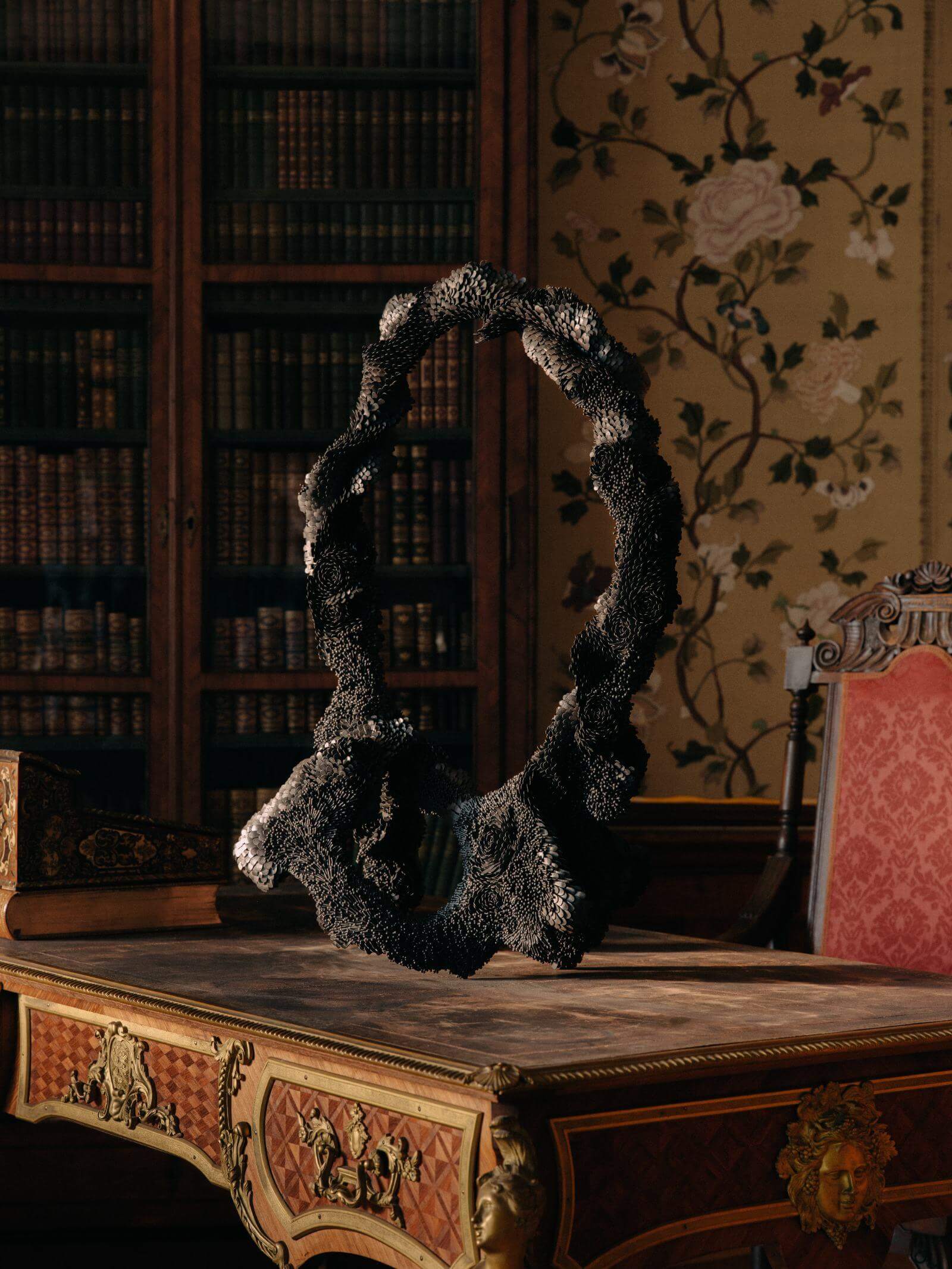
Exhibition view with work by Junko Mori
COURTESY: Junko Mori & Schloss Hollenegg for Design / PHOTOGRAPH: Julius Hirtzberger
TDE: Now your pieces take their place fully as art, displaying themselves – they’re not modest pieces of function in the background. Alice, how did you choose the people you invited to this residency?
ASL: It’s a very wide range, more than usual, because we have always focused on young, emerging and very much design-oriented practitioners – but I felt [recently] that perhaps it was too tight. It’s useful to have certain definitions like design, applied arts and art, but actually when things are in your home, they all sit very well together. I met Junko and I felt she was extremely suited for Hollenegg. In a similar way, two years ago in Miami I saw a bronze mirror by Elliott Hundley, who is well-known for his multimedia collaged artworks.
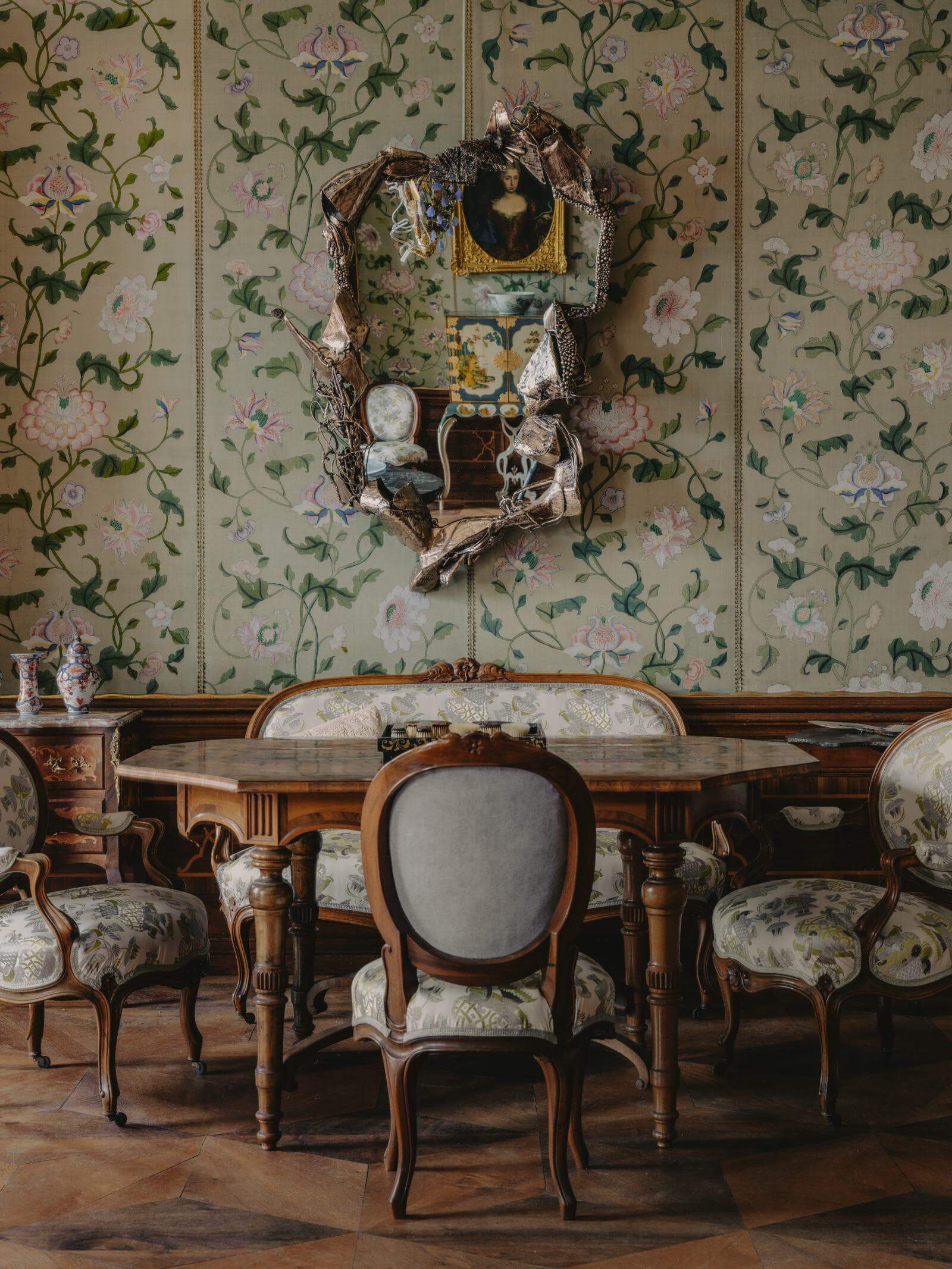
Exhibition view with work by Elliott Hundley
COURTESY: Elliott Hundley & Schloss Hollenegg for Design / PHOTOGRAPH: Julius Hirtzberger
TDE: What was it about Junko’s work that appealed to you?
ASL: Firstly, I have to feel personally that we understand each other, that there’s a good dialogue. But what I really liked also was this mixed background – the fact that she comes from Japan, but is living in Britain. I felt that’s something that you can find in Hollenegg, because there’s a lot of Asian art in a very European context. Conceptually, that’s interesting. And then the way that Junko composes her pieces – slowly building them up – and the way that they might look like flowers, but they have a certain abstraction. I also love the fact that we have a lot of women in the show who do really hard work, which is often very dirty … then these beautiful, perfect, very decorative and feminine things come out.
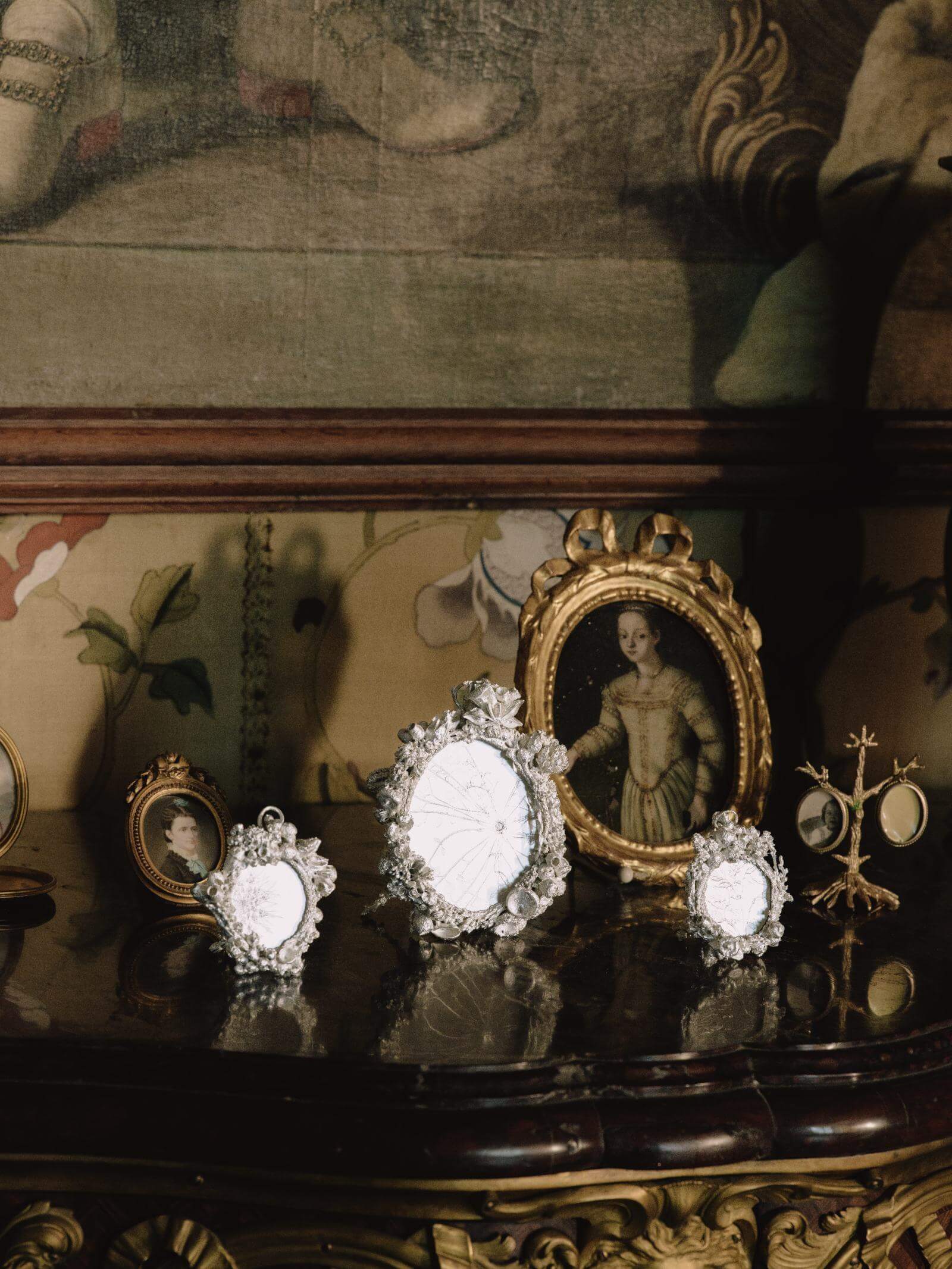
Exhibition view with work by Junko Mori
COURTESY: Junko Mori & Schloss Hollenegg for Design / PHOTOGRAPH: Julius Hirtzberger
TDE: Junko, what drew you to Schloss Hollenegg?
JM: Since I was little, I have loved history. When I started blacksmithing, I was always comparing my work with historical objects. These old hand-building traditions are very important for me – when you inspect an historical object, you can see all these hand forging fingerprints. So when the idea of coming here arose, I was excited. I’ve done work in Chatsworth, based on research into the estate’s collections, as well as in other places. More pertinently, when I got this invitation, I was deep in research into the German polymath Philipp Franz von Siebold, who was the architect of an extraordinary cultural and political exchange between Europe and Japan in the late 19th century. One story captivates me particularly: the Vienna World Expo of 1873. Siebold’s two sons travelled to Japan to collect Japanese art for that exhibition. Alice’s research has revealed that one of those sons, Heinrich, guided Heinrich Liechtenstein during a trip he made to Japan, including introducing him to the Shogun. There have been lots of parallels with Alice’s research – I got goose bumps!
Schloss Hollenegg
COURTESY: Schloss Hollenegg Design / PHOTOGRAPH: Leonhard Hilzensauer
TDE: Alice, can you tell us a little bit about the other artists taking part and what their site-specific projects add to the overall theme?
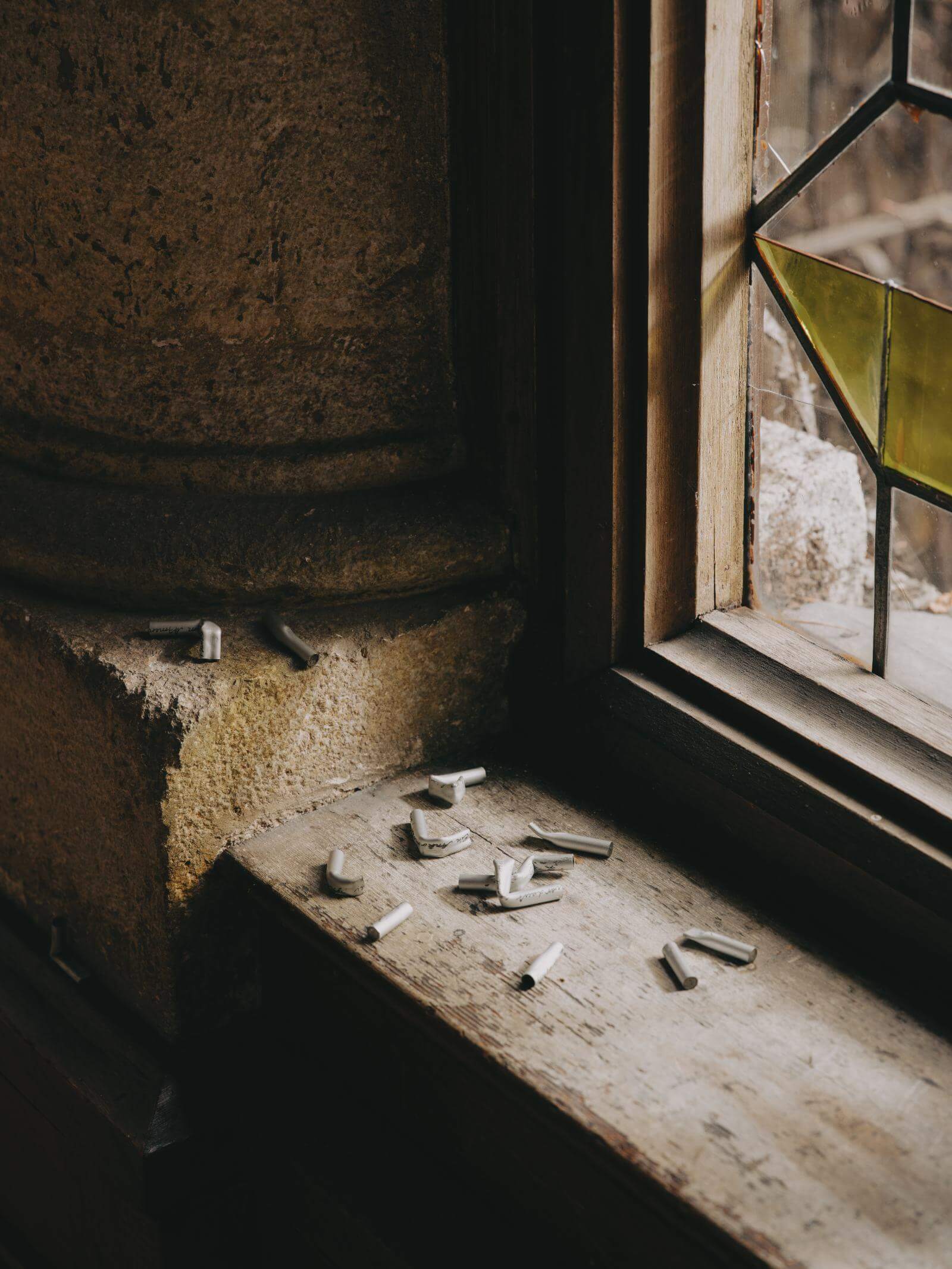
ASL: The participants range from Junko and Elliott, to young students from the University of Applied Arts in Vienna. The [students] have a much more conceptual approach – including Elena Riener who’s made lots of cigarette butts out of aluminium, which she has distributed throughout Schloss Hollenegg to honour the workers who built and continue to maintain the castle.
Exhibition view with work by Elena Riener
COURTESY: Elena Riener & Schloss Hollenegg for Design / PHOTOGRAPH: Julius Hirtzberger
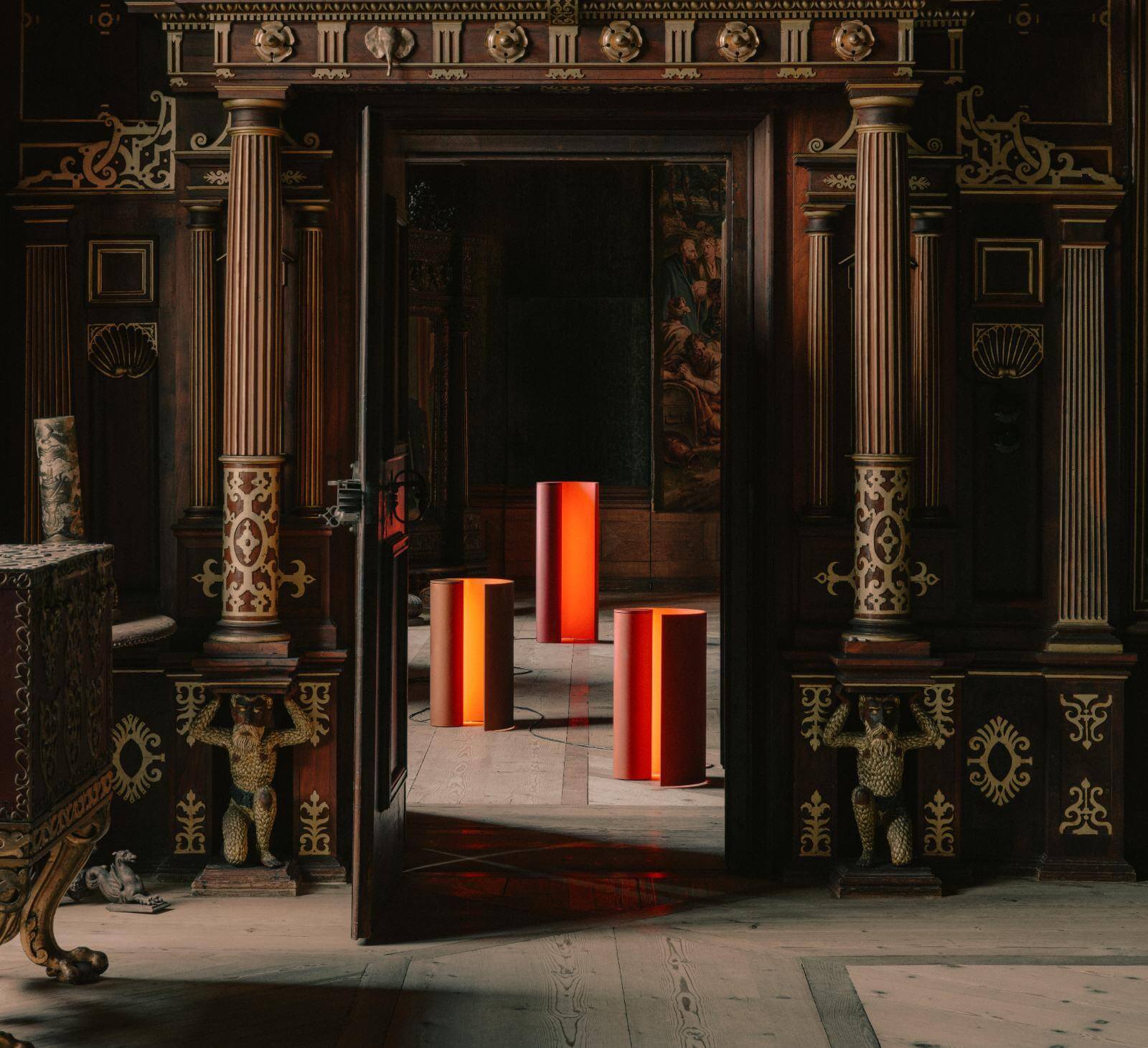
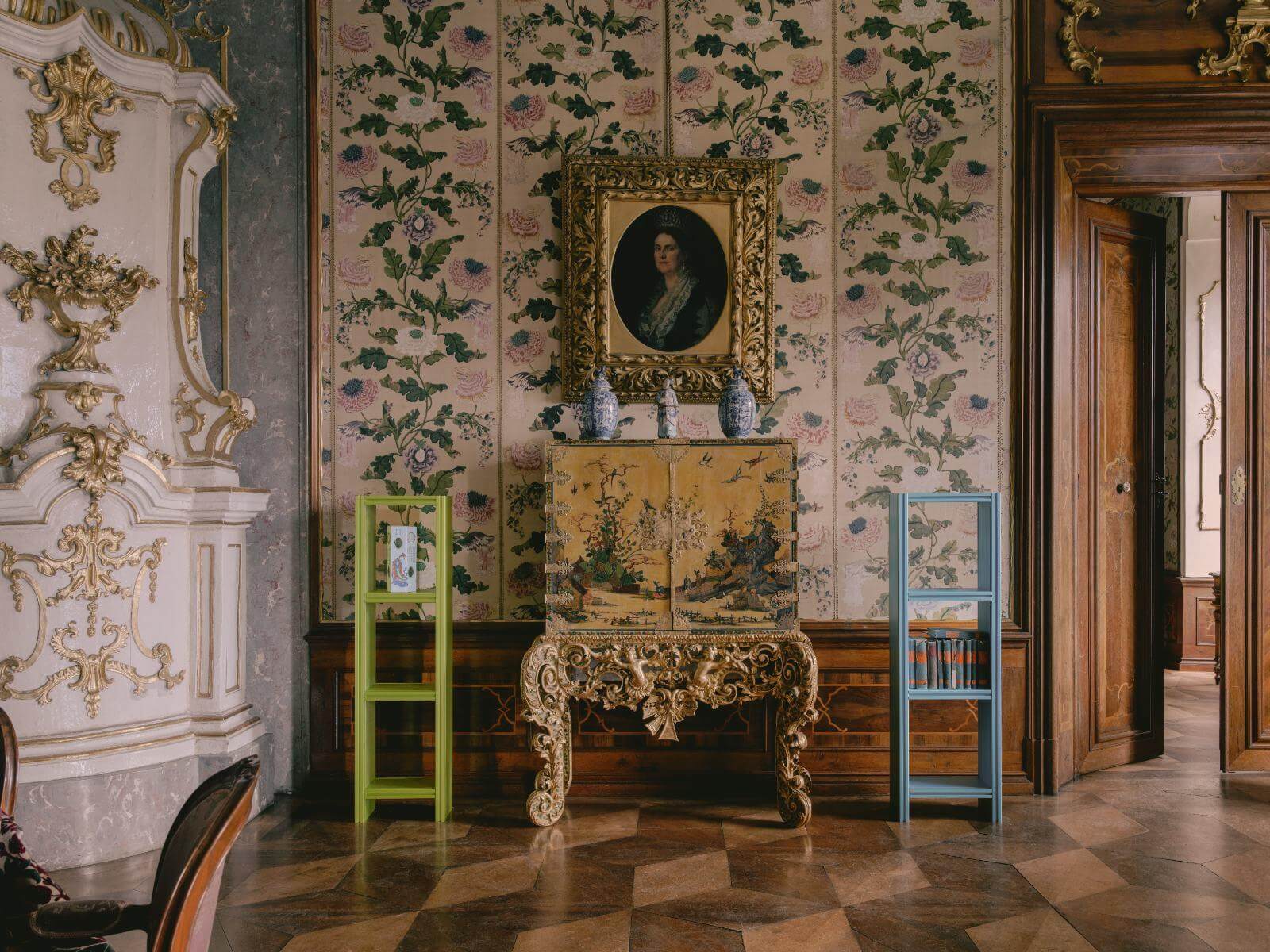
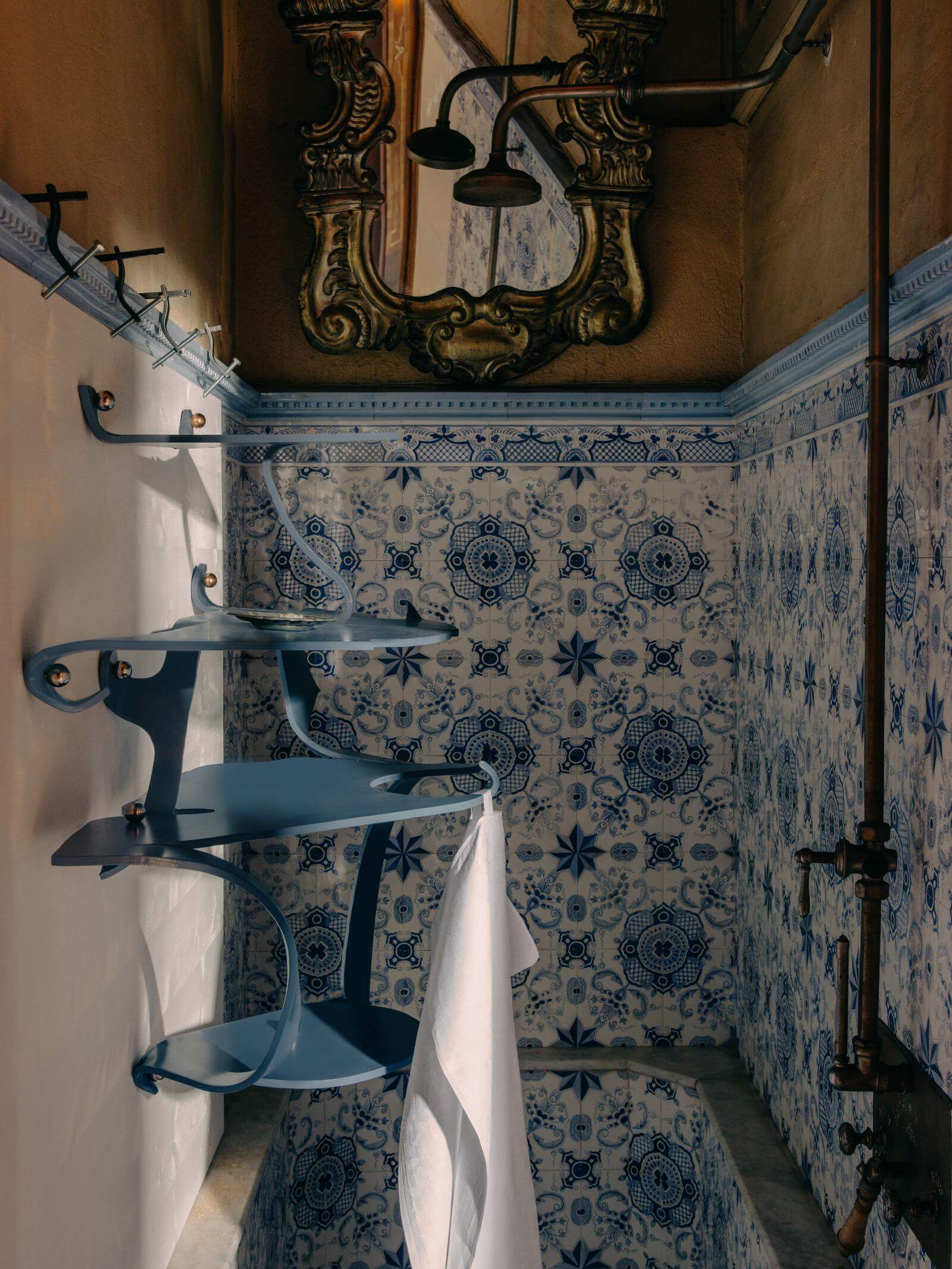
Then in between there are some designers I really admire, including design duo Soft Baroque, who have produced an interesting one-off folded steel shelf, and Max Lamb, Sabine Marcelis and Philippe Malouin, who have designed some shelves and lamps that can be industrially manufactured out of recycled aluminium.
-

- Exhibition view with work by Philippe Malouin COURTESY: Philippe Malouin & Schloss Hollenegg for Design / PHOTOGRAPH: Julius Hirtzberger
-

- Exhibition view with work by Soft Baroque COURTESY: Soft Baroque & Schloss Hollenegg for Design / PHOTOGRAPH: Julius Hirtzberger
TDE: Junko, what have you discovered through your time here?
JM: Every time I do a historical visit or a residency, I get too much inspiration. Already this morning I have had a new idea. I made some frames here – for pictures – but this is just the beginning of a series. It has also been a turning point in another sense. I have been inspired by Alice’s kindness, her determination to give society something back. This has inspired my husband and me to continue with our project, Coed Coexist, a local community project of art making for young people based near our studios in Wales.
Schloss Hollenegg
COURTESY: Schloss Hollenegg Design / PHOTOGRAPH: Leonhard Hilzensauer
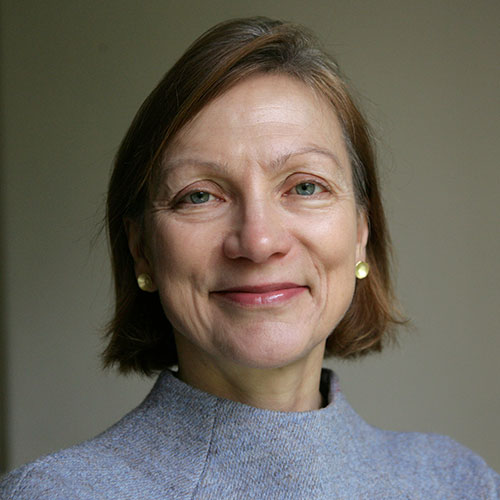
Emma Crichton-Miller is Editor-in-Chief of The Design Edit.
View all articles by Emma Crichton-Miller