Spector Craft Summit 2026
“What we make makes us.”
Crystal Bridges Museum of American Art
Bentonville, Arkansas
10th-12th November 2026
By Adrian Madlener / 26th November 2026
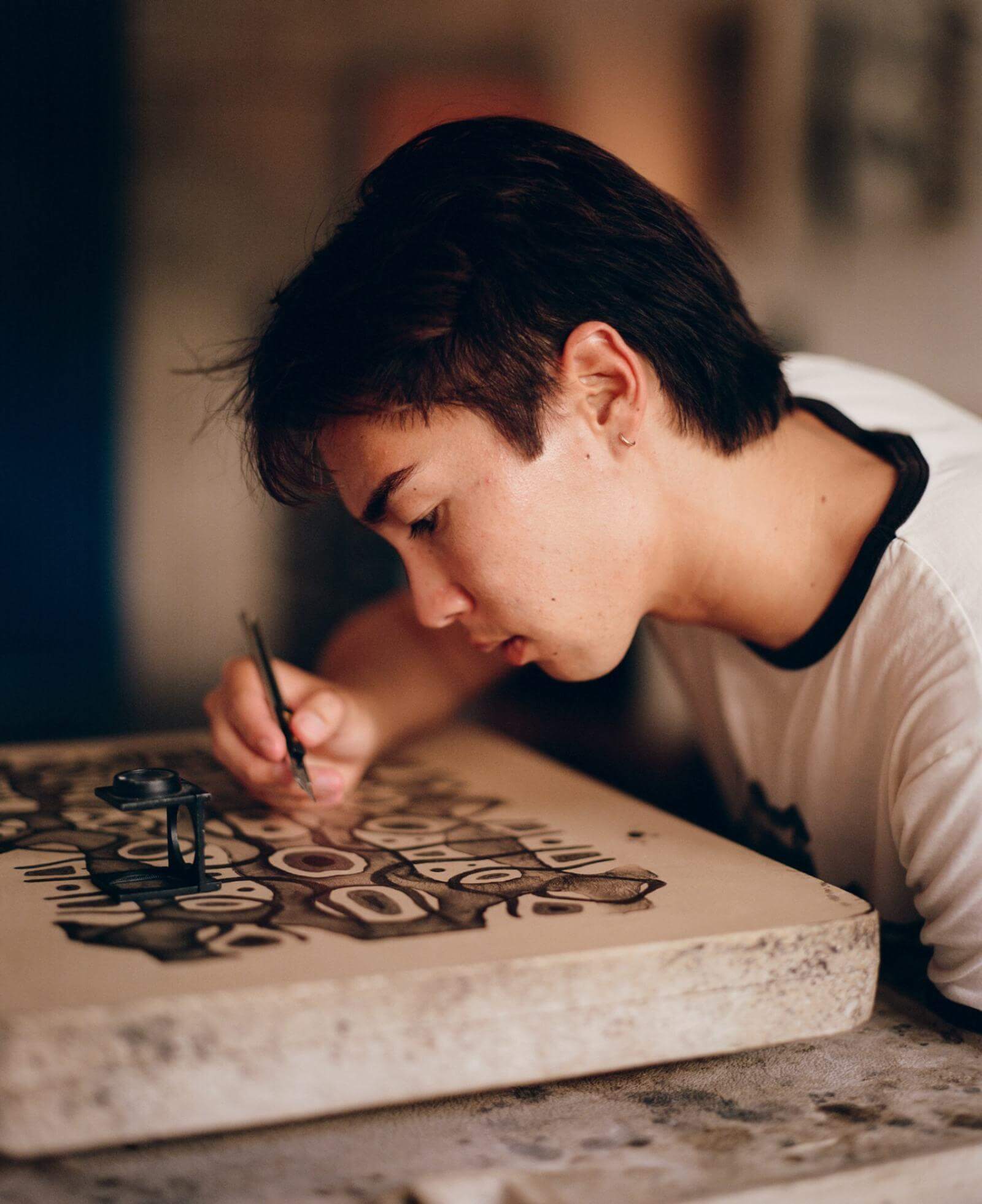
Luke-Thomas Tokimasa Henderson
COURTESY: © The Artist / PHOTOGRAPH: © Christian Cargill
“WE’RE WITNESSING A generational change in how craft is understood and practised,” curator and author Glenn Adamson stated at the inaugural Spector Craft Summit in Arkansas this November. As chief advisor for the project – conceived by philanthropists/collectors Abigail Klem Spector and Warren Spector – Adamson declared the arrival of a third craft movement, positioning it alongside the 19th-century Arts and Crafts movement and mid-twentieth-century Studio Craft.

Merryn Omotayo Alaka
COURTESY: © The Artist / PHOTOGRAPH: © Christian Cargill
Adamson linked the event, held at the Crystal Bridges Museum of American Art, to historical milestones such as the 1884 founding of London’s Art Workers’ Guild, and the 1957 American Crafts Council conference in California. “Like those moments, this one is a time of shared purpose,” he said. “It’s a gathering of people from many different places and points of view, all with a shared belief in the power of making.”
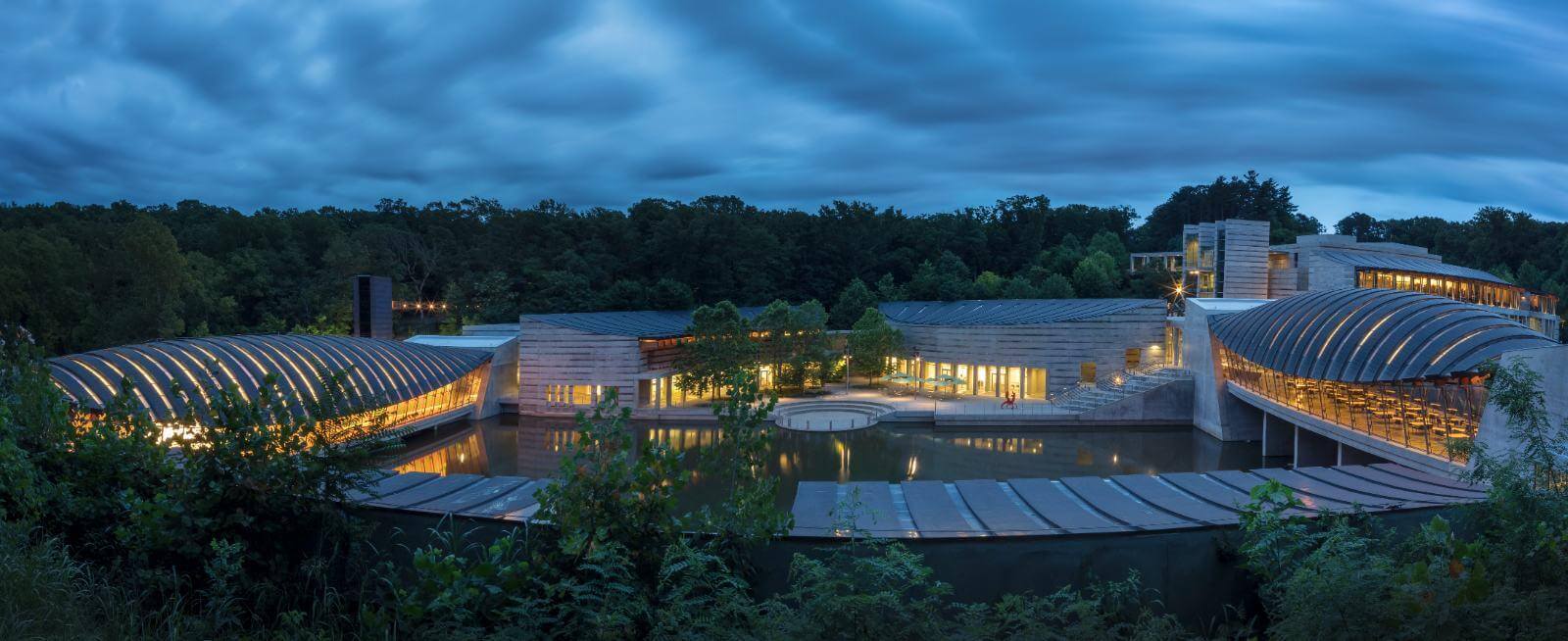
Crystal Bridges Museum of Art
COURTESY: © Crystal Bridges Museum of Art
To anchor the inaugural Spector Craft Prize programme – an honour extended to U.S. talent at pivotal career junctures – Adamson gathered an influential cohort of makers, gallerists, curators, educators and leaders. For attendees, the three-day programme offered a space to evaluate the collectible design landscape, reassess the broader fine art market, and consider how craft asserts its own distinct value.
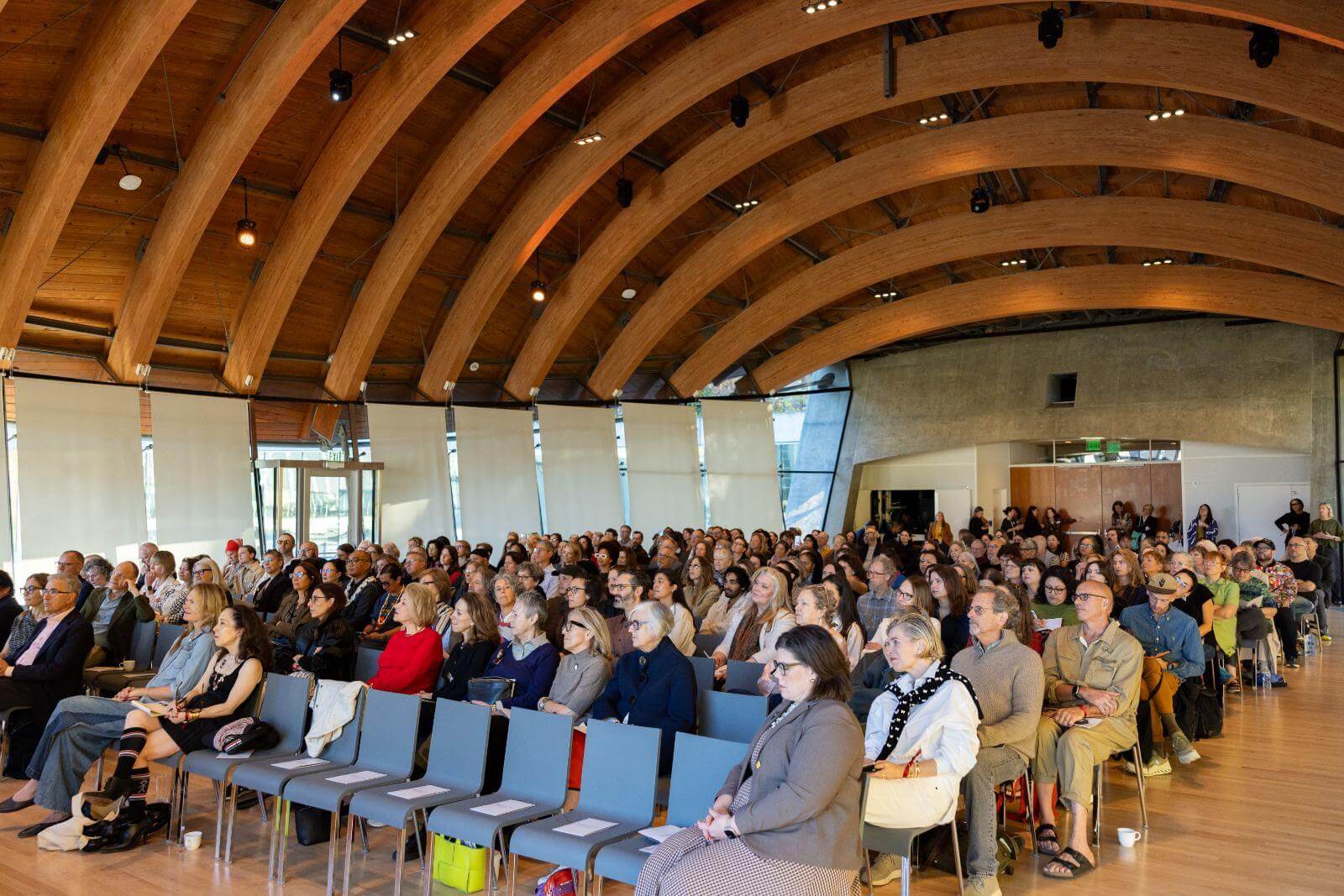
Spector Craft Summit
COURTESY: The Spector Craft Prize / PHOTOGRAPH: Trent Sugg, BLK ELK
The Spector Craft Summit tackled questions of identity, self-determination, material methodology and cultural value. Panellists and fireside speakers affirmed that this ever-burgeoning field can no longer be marginalised. Craft is a living legacy in constant reinvention: an engine for individual and collective agency, a counterweight in an era of protracted austerity and technological innovation.
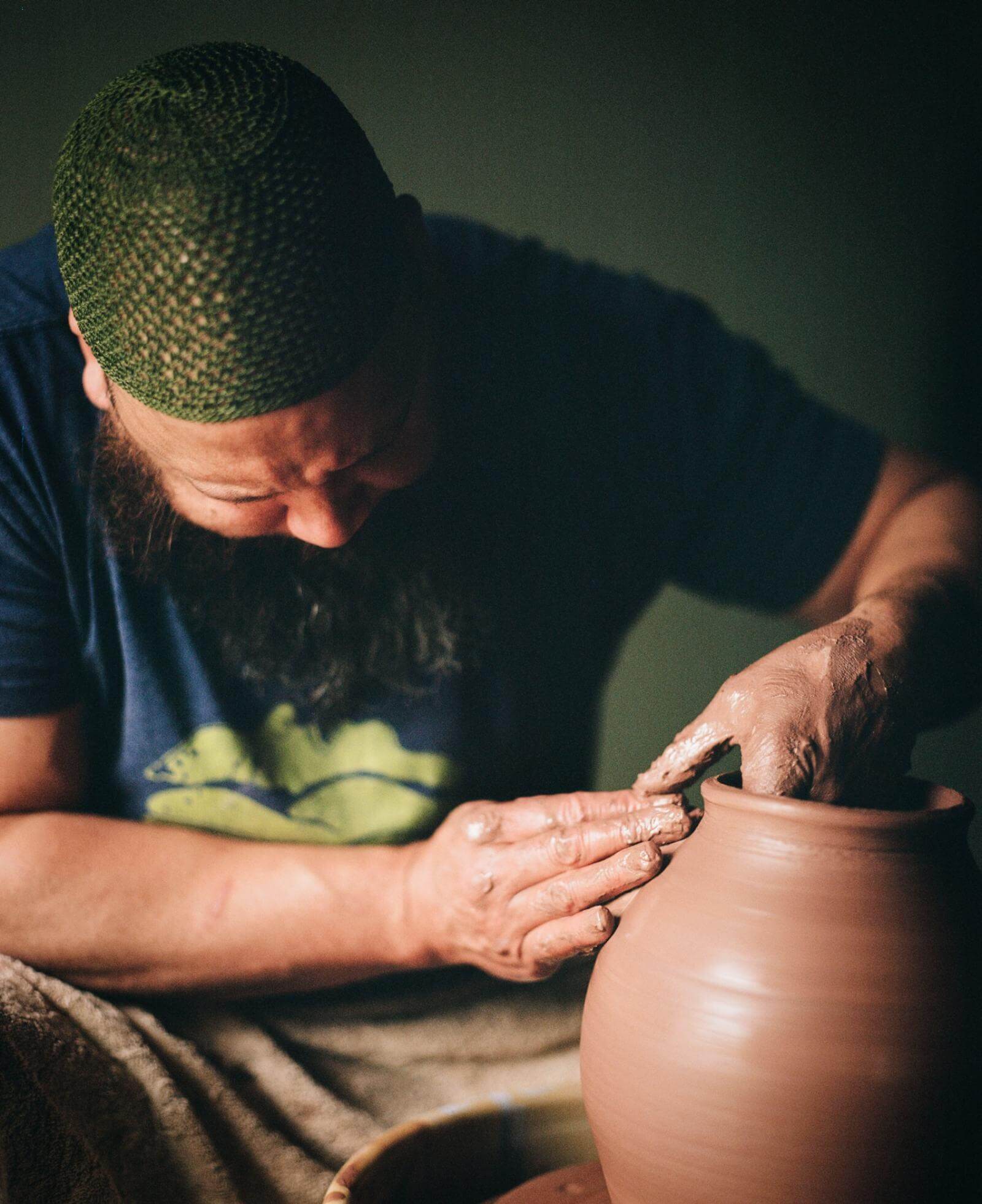
Sharif Bey
COURTESY: © The Artist / PHOTOGRAPH: © Christian Cargill
While Adamson emphasised shifting from fine art validation to independent recognition, in it own right, perspectives varied across sessions. In conversation with Brooklyn Museum director Anne Pasternak, glass-bead artist Liza Lou reflected on navigating these boundaries early in her career. “It was hard for many of my art school instructors – and the gallerists I approached soon after – to understand that I wanted to paint with beads, not paint or make jewellery,” she explained. Her monumental, 30-million-bead installation ‘Kitchen’ (1991–1996) now resides in the Whitney Museum’s permanent collection. “As an artist, I’ve never seen my chosen material as a problem,” she added. “I always wanted to climb to the top of Kilimanjaro, which for me represents art with a capital ‘A’, not ‘C’, but I could only do it with a big ‘C’ strapped on my back.”
Inspired in part by Irish designer Joseph Walsh’s discursive ‘Making In’ symposium, the summit brought together practitioners across disciplines. The format encouraged what sociologist Richard Sennett, in his seminal 2008 book The Craftsman, called ‘adjacency’: the idea that breakthroughs occur when seemingly opposed materials, processes and perspectives collide.
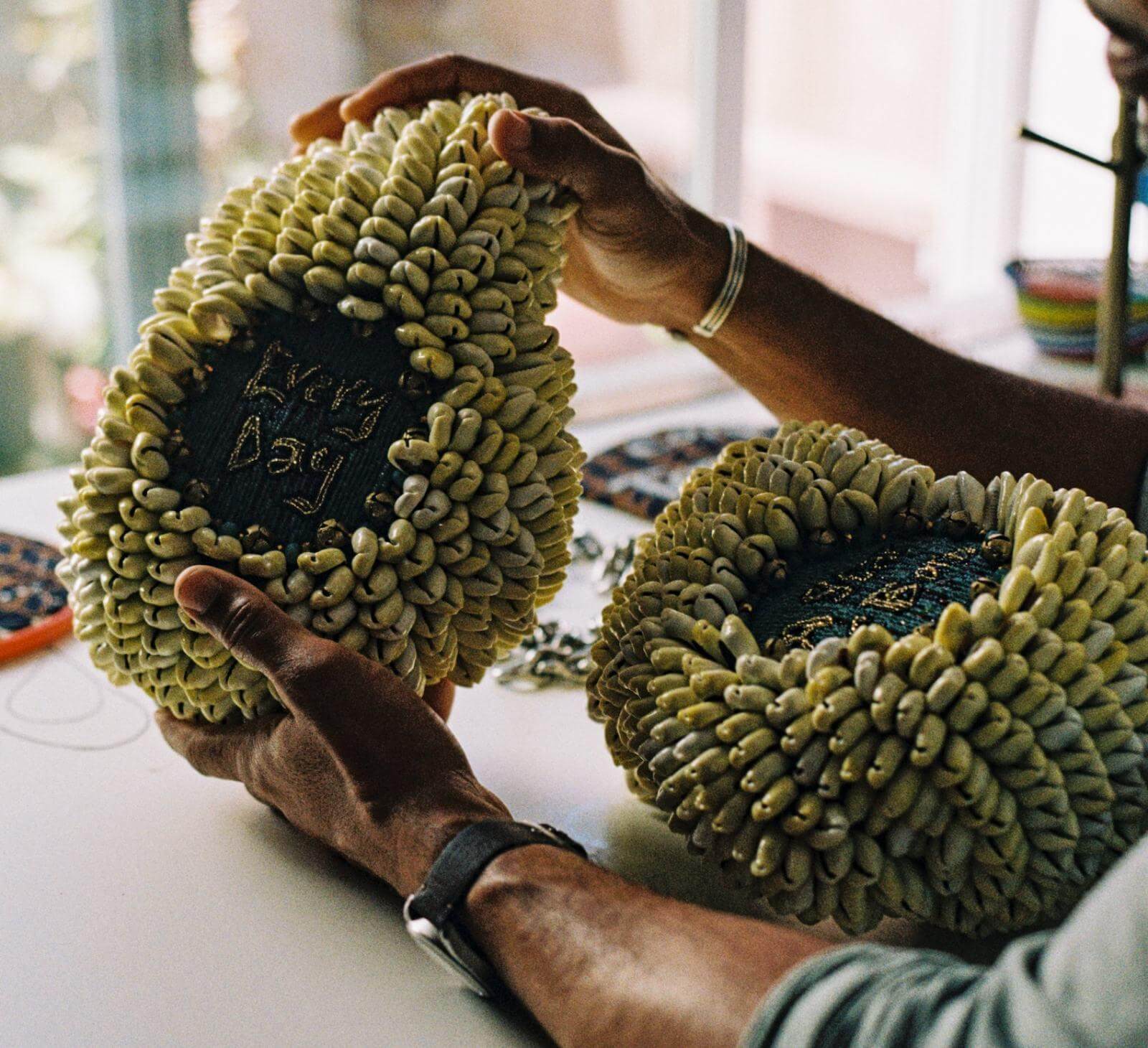
Demetri Broxton with ‘A Star Is Born’, 2024
COURTESY: © The Artist / PHOTOGRAPH: © Christian Cargill
This cross-pollination underpins the work of the five Spector Craft Prize ‘Emerging Artist’ honorees, who are redefining contemporary practice through rigorous material experimentation and their embrace of the collapse of ontological convention. Each recipient received $10,000, tailored mentorship and a dedicated summit presentation space.
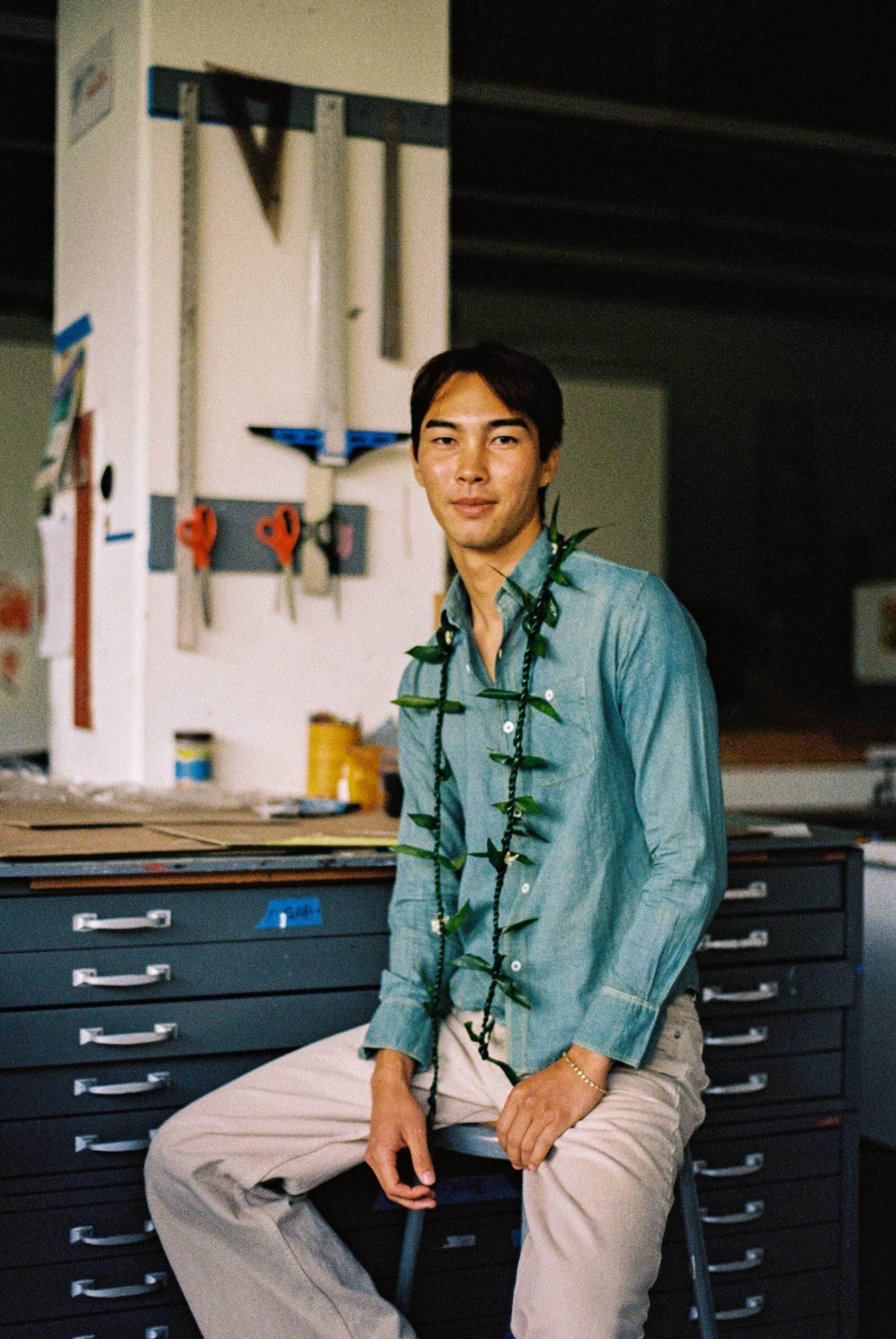
Luke-Thomas Tokimasa Henderson, one of the ‘Emerging Artist’ prize winners
COURTESY: © The Artist / PHOTOGRAPH: © Christian Cargill
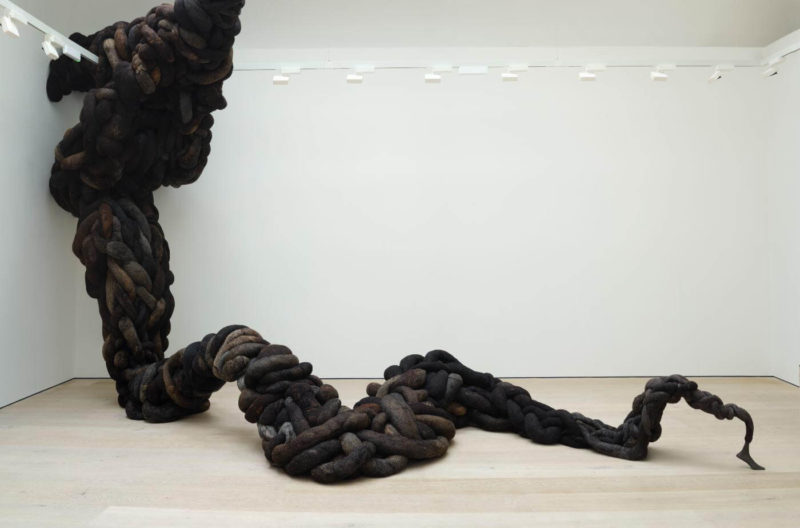
While Chicago-based Merryn Omotayo Alaka’s work coheres textiles and synthetic hair into striking, sculptural assemblages, Demetri Broxton, based in Oakland, California, hand-beads intricate African-diasporic cosmologies onto rigid, sports-centric boxing regalia.
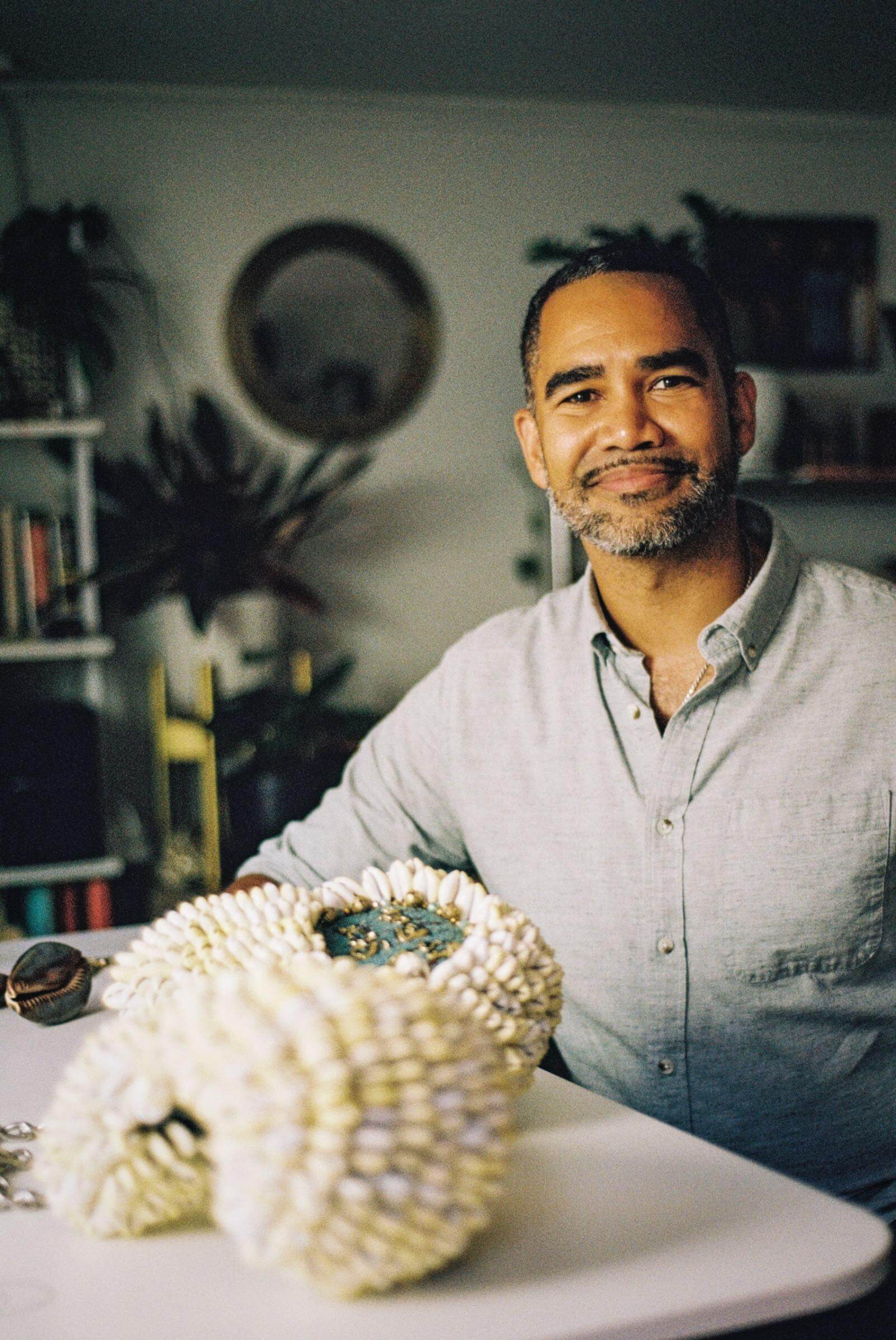
Demetri Broxton
COURTESY: © The Artist / PHOTOGRAPH: © Christian Cargill
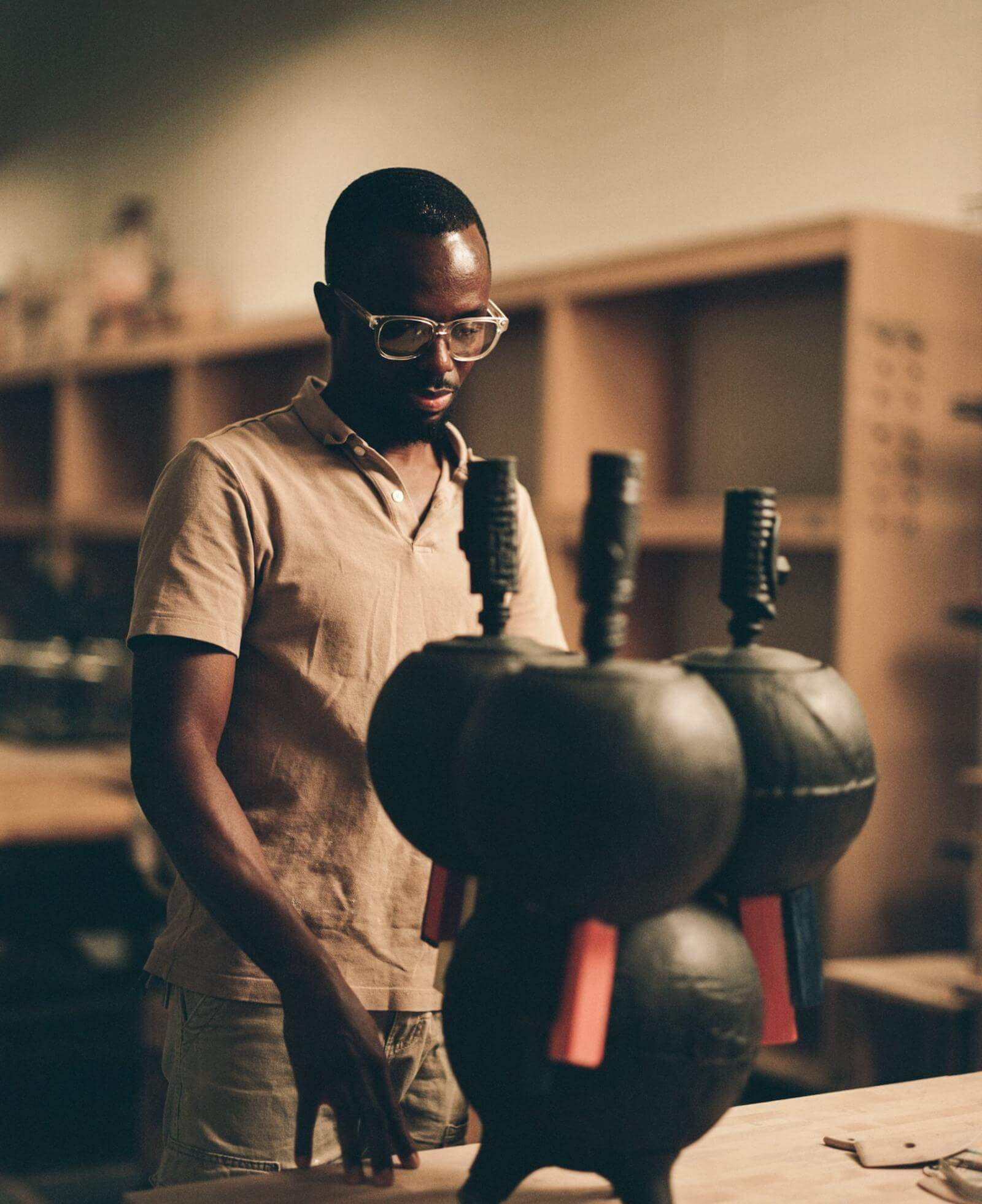
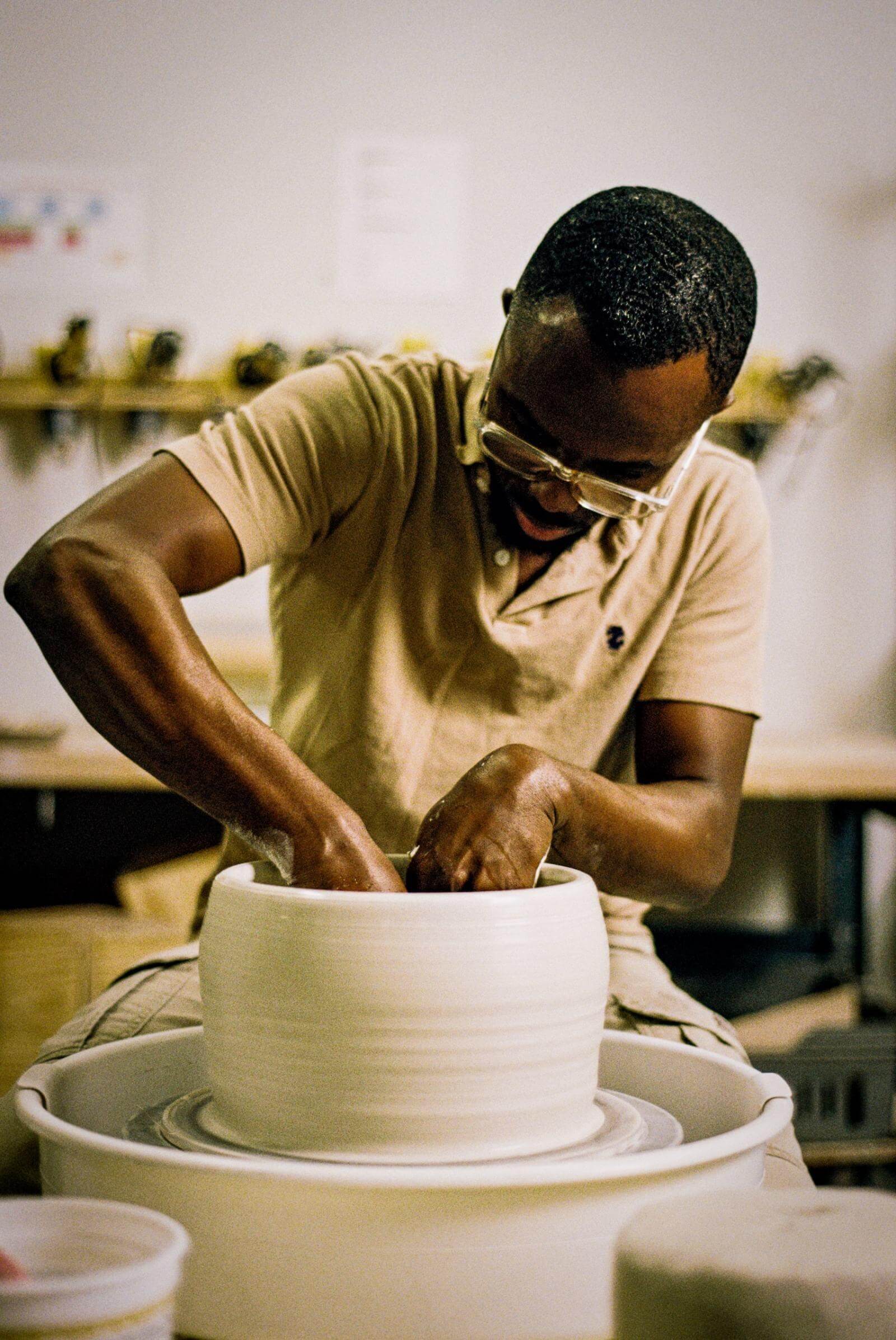
Ghanaian, South Texas-based Japheth Asiedu-Kwarteng infuses stoneware installations with traditional Kente cloth and wood elements to challenge traditional vessel structures – finding a way to implicitly pass down his cultural memory to his children, who are growing up in the U.S. “Whatever culture we come from, or traditions we practise, makes us unique … and it shows up in what we make,” Asiedu-Kwarteng remarked during one of the panels.
-
-
Japheth Asiedu Kwarteng
COURTESY: © The Artist / PHOTOGRAPH: © Christian Cargill
-
-
Japheth Asiedu Kwarteng
COURTESY: © The Artist / PHOTOGRAPH: © Christian Cargill
-

-
Japheth Asiedu Kwarteng
COURTESY: © The Artist / PHOTOGRAPH: © Christian Cargill
Vivian Chiu, another of the ‘Emerging Artists’ winners, dismantles and reconstructs reclaimed wood and everyday debris into fluid, shifting optical forms.
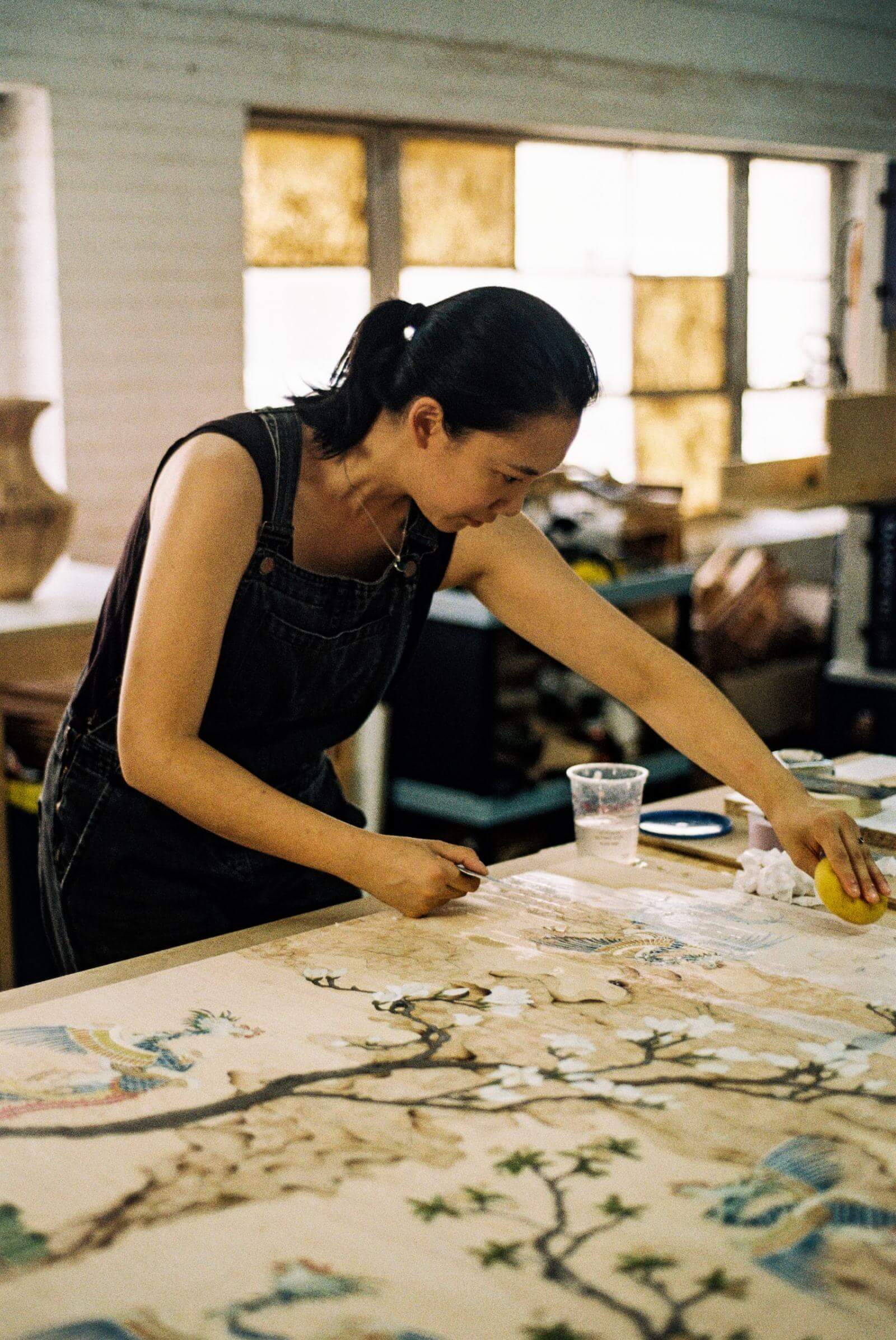
Vivian Chiu
COURTESY: © The Artist / PHOTOGRAPH: © Christian Cargill
Chiu, based in Richmond, Virginia, discussed her vessels ‘Passages (Those Who Carried Us)’ (2023–2026), which were inspired by wooden Chinatown shipping crates. “The more I thought about these chests as the protectors of these fragile porcelain items and trying to pay homage to them by reinterpreting them as objects of value,” she reflected, “the more I was thinking about our elders who came to the U.S. and had to bear the brunt of assimilation.”
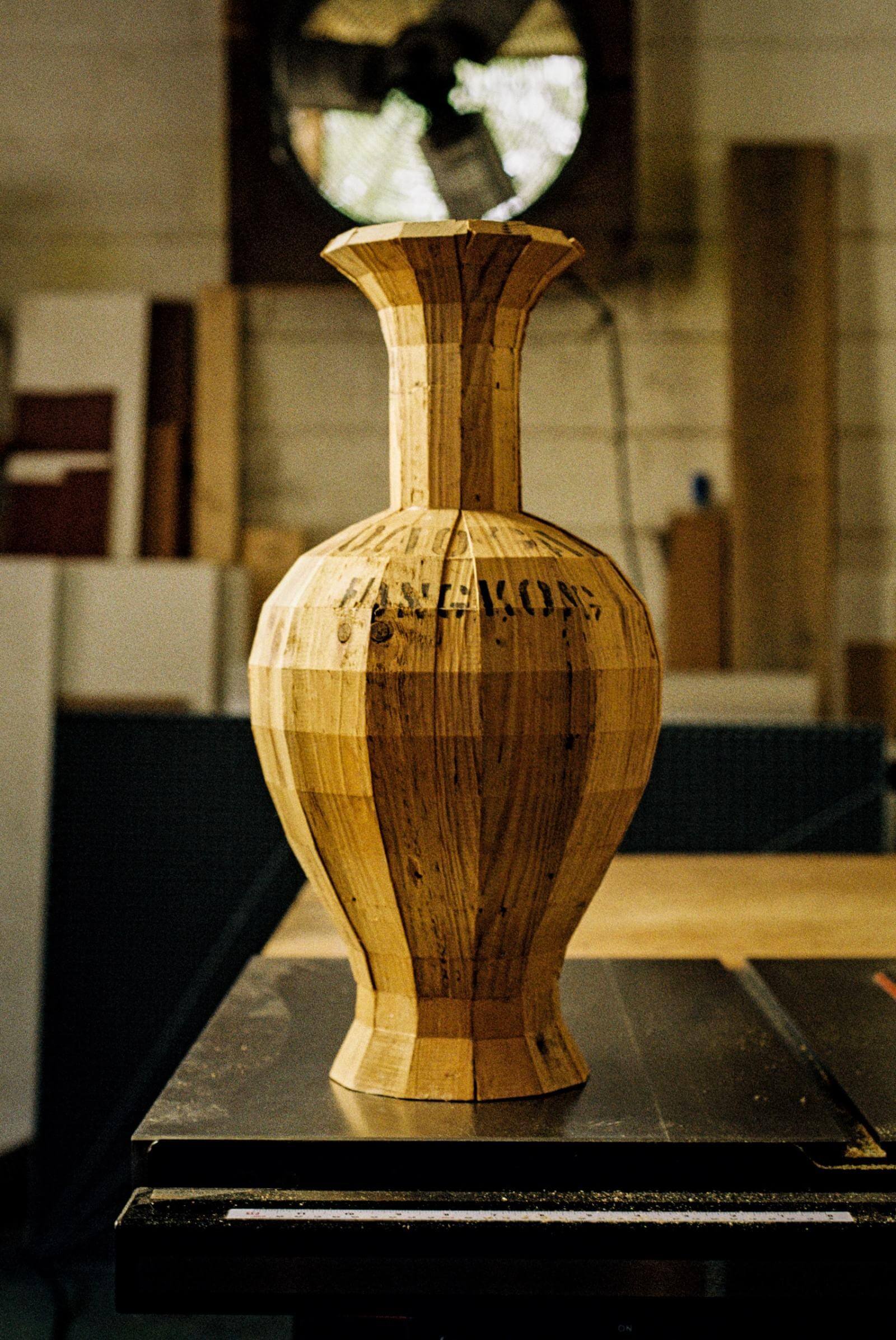
Vivian Chiu, vessel from the series ‘Passages (Those Who Carried Us)’, 2023-2026
COURTESY: © The Artist / PHOTOGRAPH: © Christian Cargill
Luke-Thomas Tokimasa Henderson bridges material science with the ornamental quality of native Hawaiian wayfinding to engineer delicate, sculptural fishing kites from handmade paper, reeds and string.
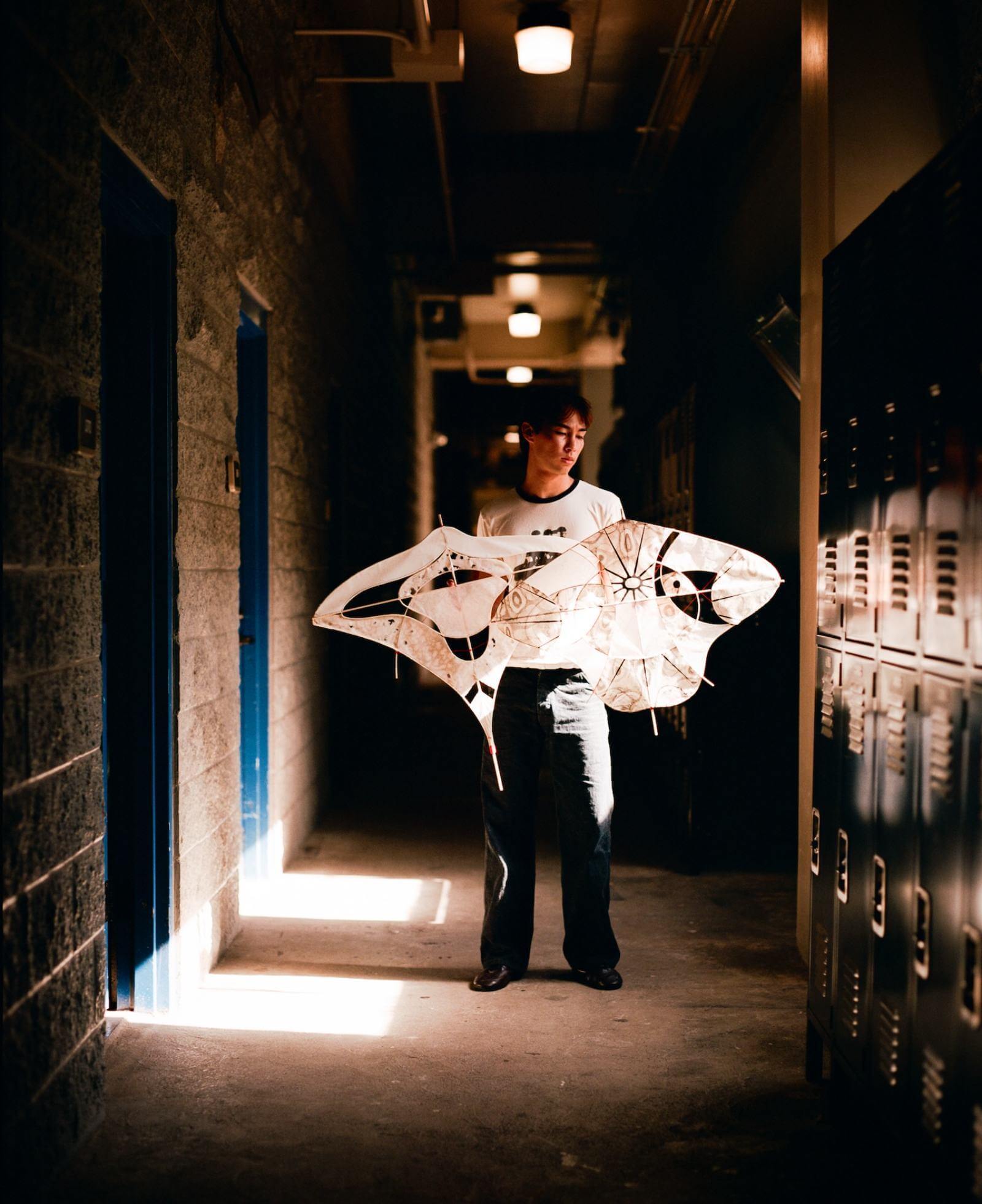
Luke-Thomas Tokimasa Henderson with ‘Ho’olele Lupe Series (I, II)’, 2025
COURTESY: © The Artist / PHOTOGRAPH: © Christian Cargill
Alongside the emerging awards, main prize winner Sherif Bey saw his wall sculpture ‘Raptor Return’ acquired by Crystal Bridges. The Syracuse, New York-based ceramicist, educator and artist reflected on his lifelong fascination with material exploration and museological tropes during a pre-summit guided walkthrough.
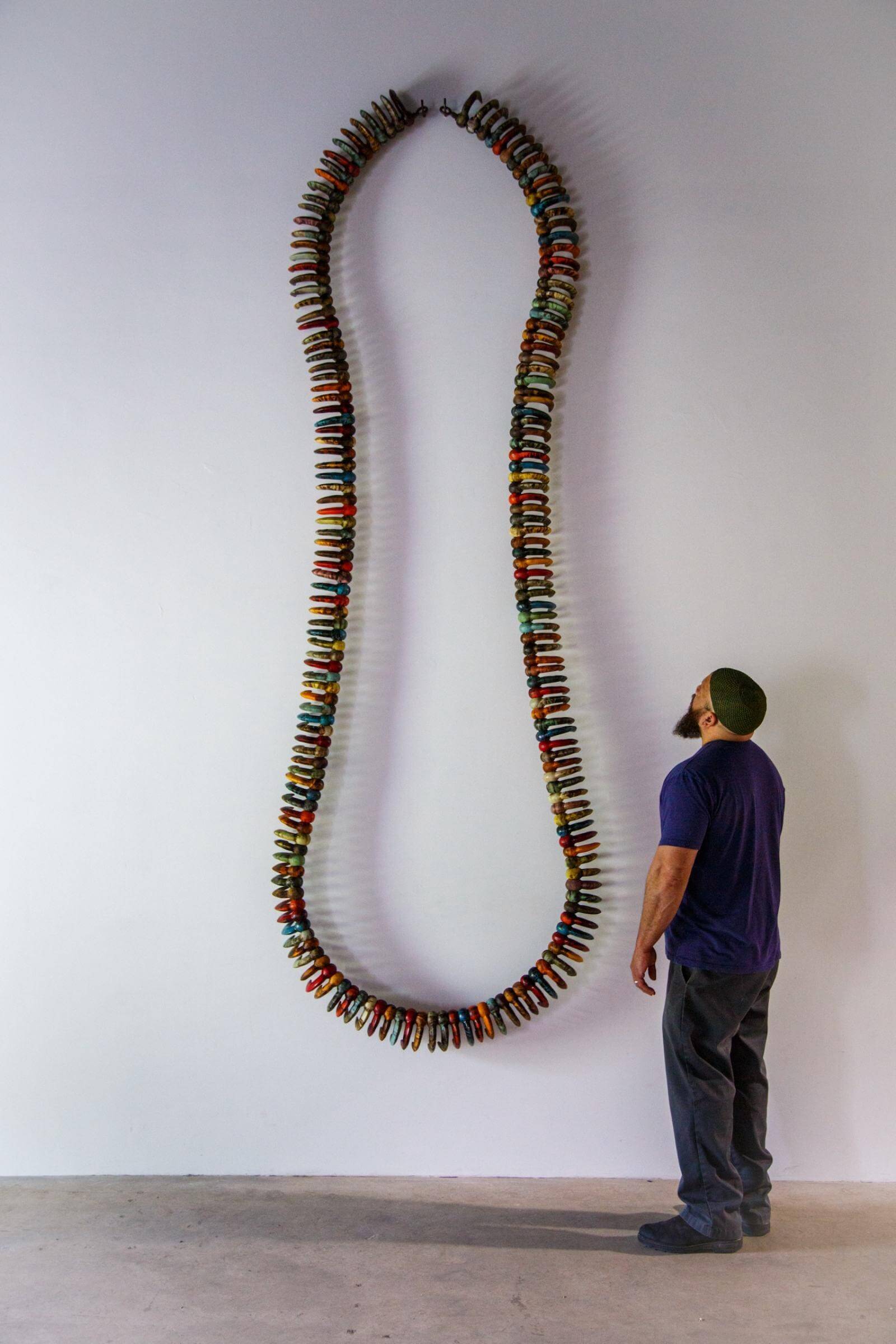
Sharif Bey with ‘Raptor Return’, 2022
COURTESY: © The Artist / PHOTOGRAPH: © Christian Cargill
Conceived as a large-scale wall necklace, the work joins hand-formed clay elements wrapped in toilet paper during firing to create subtle surface textures. Bey’s process leverages experimental techniques while challenging gallery presentation norms. Positioned flat against the wall, the installation reimagines adornment history, evoking traditional North African royal neckwear through a contemporary sculptural lens.
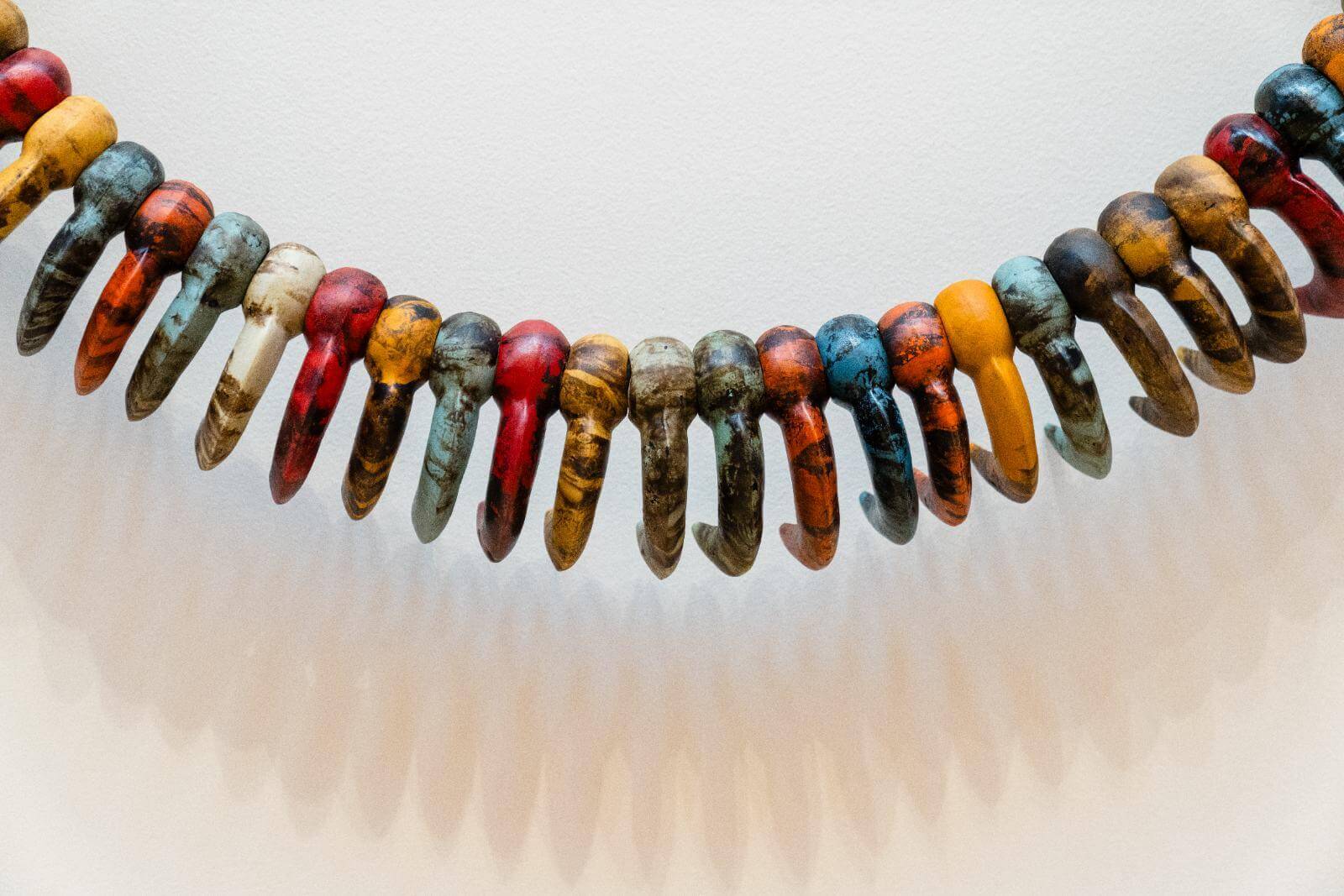
Sharif Bey, ‘Raptor Return’, 2022 (detail)
COURTESY: © The Artist / Crystal Bridges
“I’m always interested in how museums present and re-present artefacts; even down to the mechanisms that hold these fragmented specimens in place,” Bey noted. “A lot of my work is about the museum object and spectatorship, the idea that such an item is taken and put into new contexts, whether that’s the result of colonial conquest or donation. Our role as artists and patrons is to find new life in these things: new programmes, discoveries and conversations.”
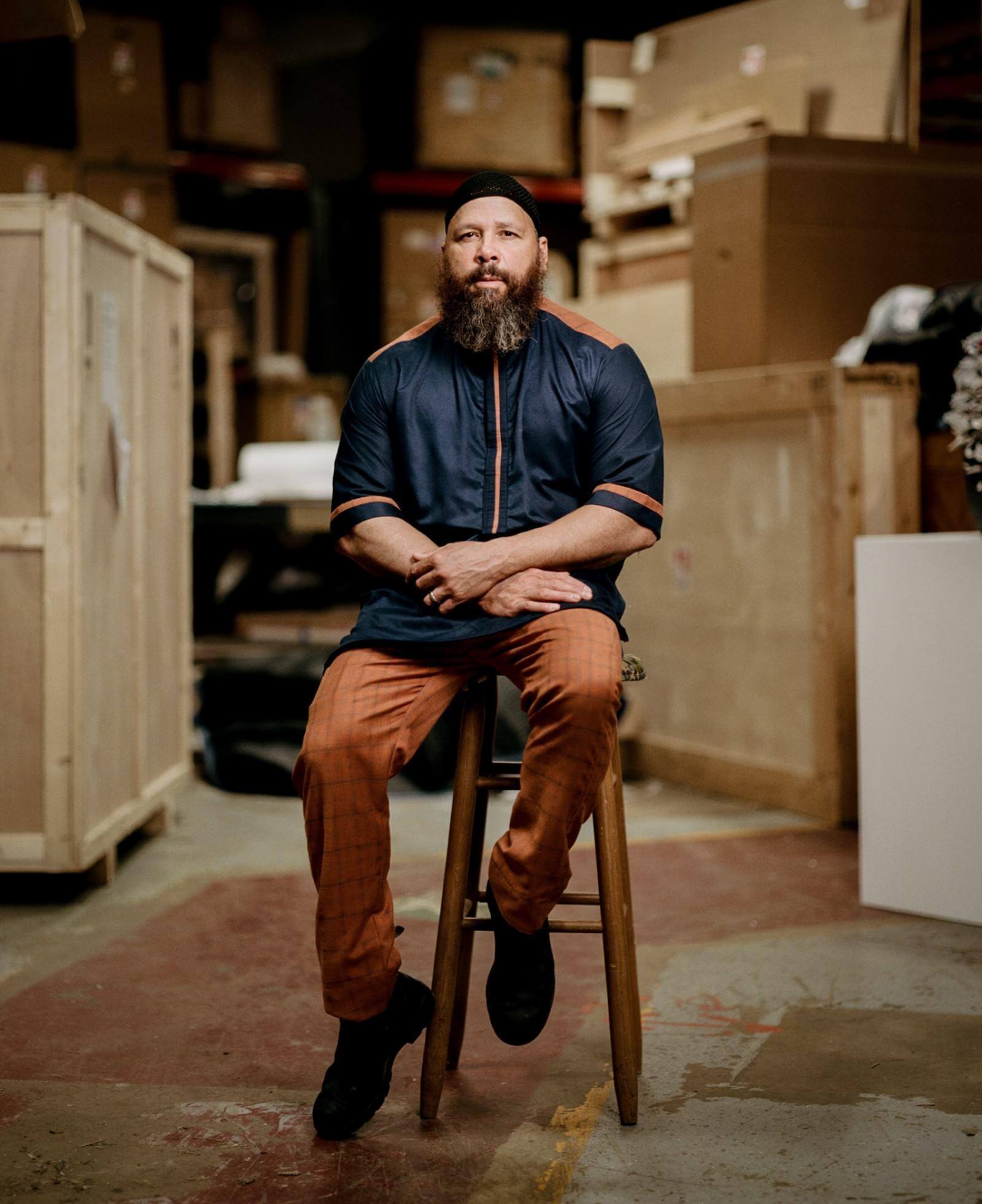
Sharif Bey
COURTESY: © The Artist / PHOTOGRAPH: © Christian Cargill
While commercial pressures are pushing studios toward proprietary secrecy rather than open-source exchange, Bey advocates knowledge sharing to empower upcoming generations and keep technical traditions adaptable. Addressing cultural heritage, Bey’s keynote referenced lineages like Alabama’s Gee’s Bend quilters and South Carolina’s Gullah Geechee basket sewers, prompting the audience to question the structures of authority and access to resources.
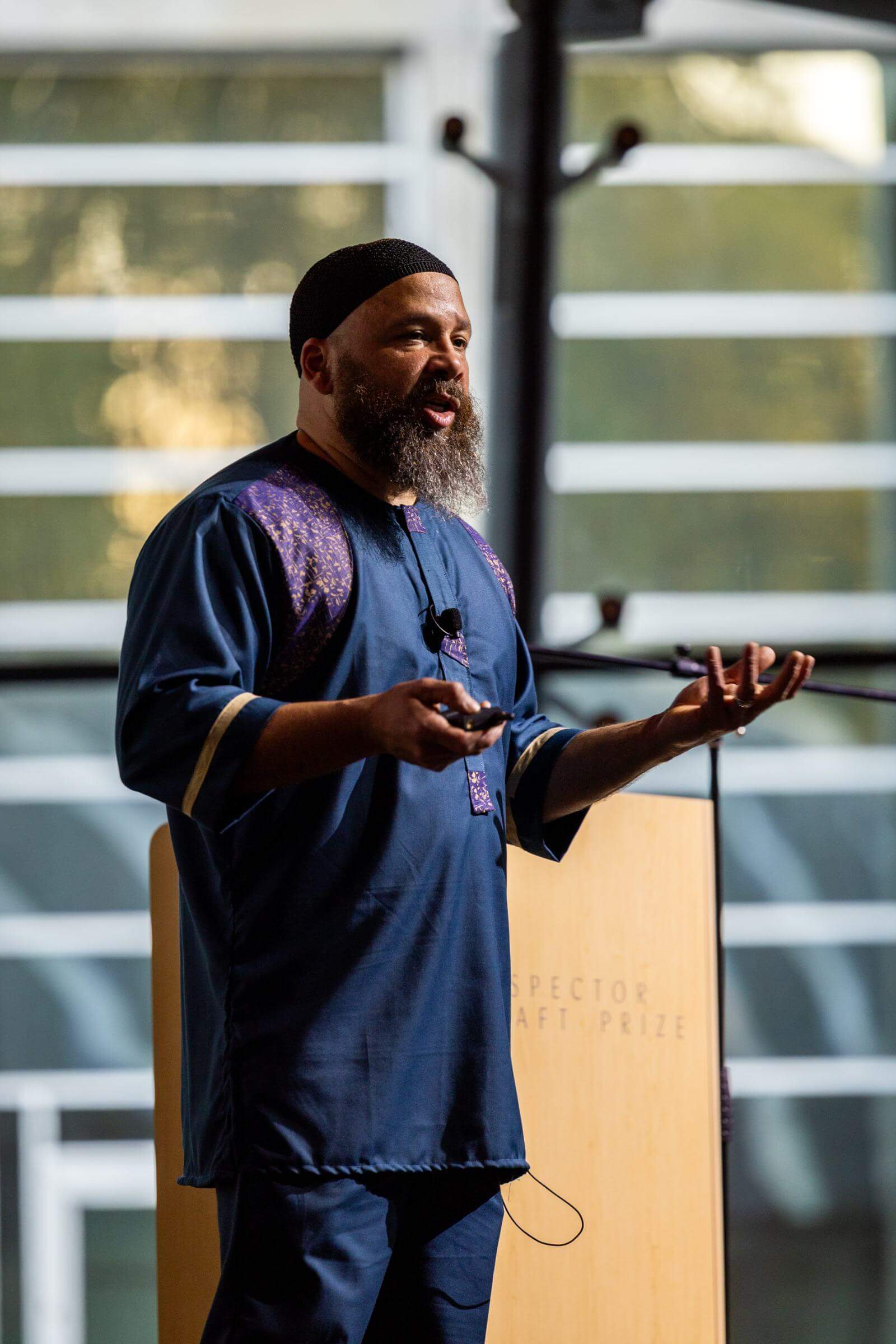
Sharif Bey at the Spector Craft Summit
COURTESY: The Spector Craft Prize / PHOTOGRAPH: Trent Sugg, BLK ELK
“What’s different about this third movement is that it’s far more diverse, in every sense of the word,” Adamson added, “who’s involved, what backgrounds they come from, but also the differences in expression; the use of almost any material that can be infused with the meaning of community through the work of human hands.” He acknowledged that this wave is radically decentralised and has far more global scope, crediting the Loewe Craft Prize and Homo Faber Biennial as important international benchmarks. “Though craft continues to be defined by its embodied presence in an increasingly immaterialised world, it’s still skilled-making at human scale. Increasingly, craft is unfolding in a purely experiential dimension; in ephemeral phenomena like food and in the form of process, pure and simple, perhaps encountered in person or indirectly through a screen … What connects this recent wave to previous ones is its foundation in humanist ethics.”
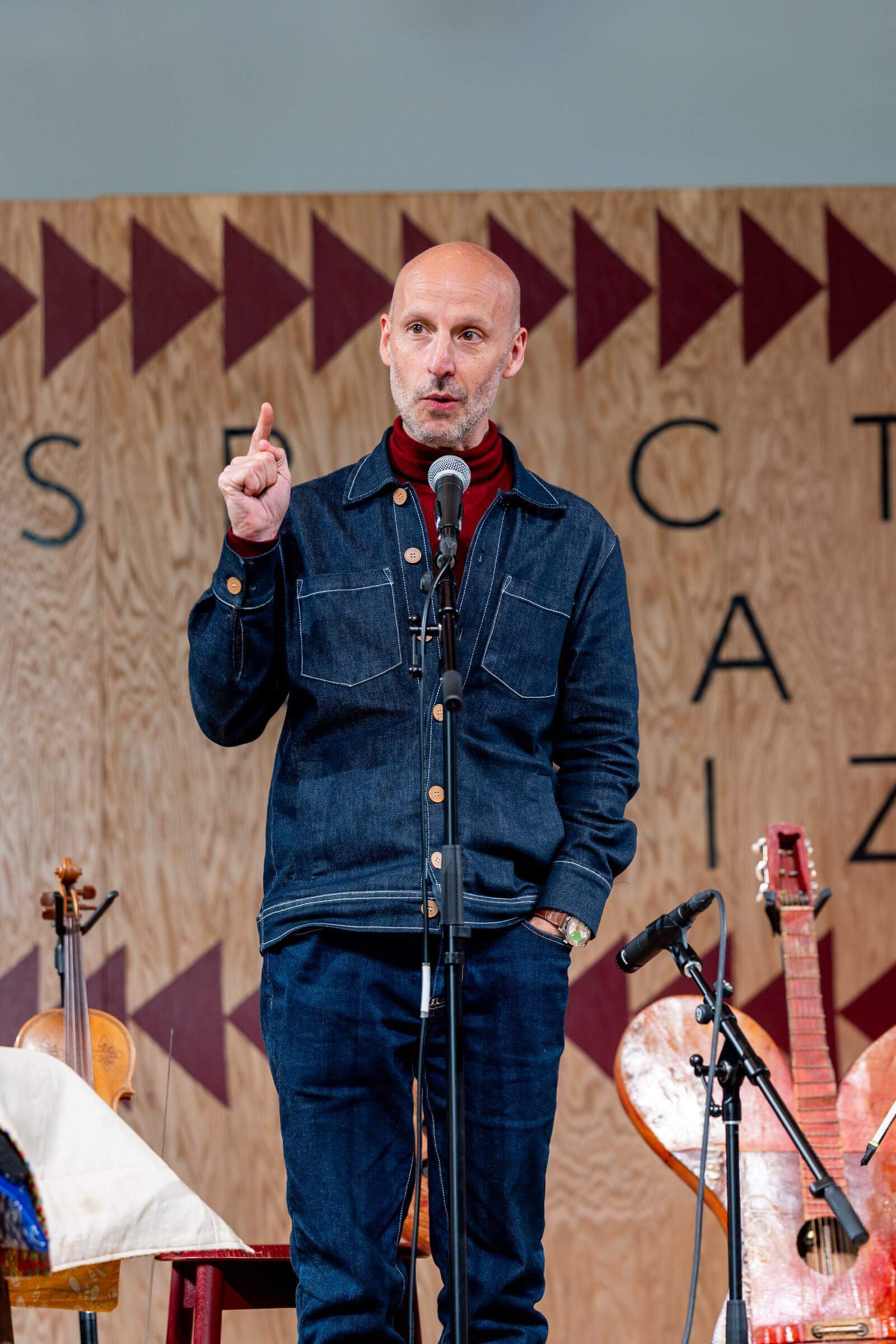
Glenn Adamson at the Spector Craft Summit
COURTESY: The Spector Craft Prize / PHOTOGRAPH: Trent Sugg, BLK ELK
In his address, Walsh stressed an interdisciplinary perspective, drawing comparisons to his own event where automotive designers exchange ideas with contemporary dance choreographers: “The through-line has always been about making the intangible act of craft broader than the physical outcome; revealing its intrinsic, often hard to articulate, links across cultures and disciplines.” Discussions on residency support and public grants; interior design and museum curation repeatedly returned to themes of labour, time and repetition. Panellists regularly credited early family environments, exposure and encouragement with sparking their interest in making.
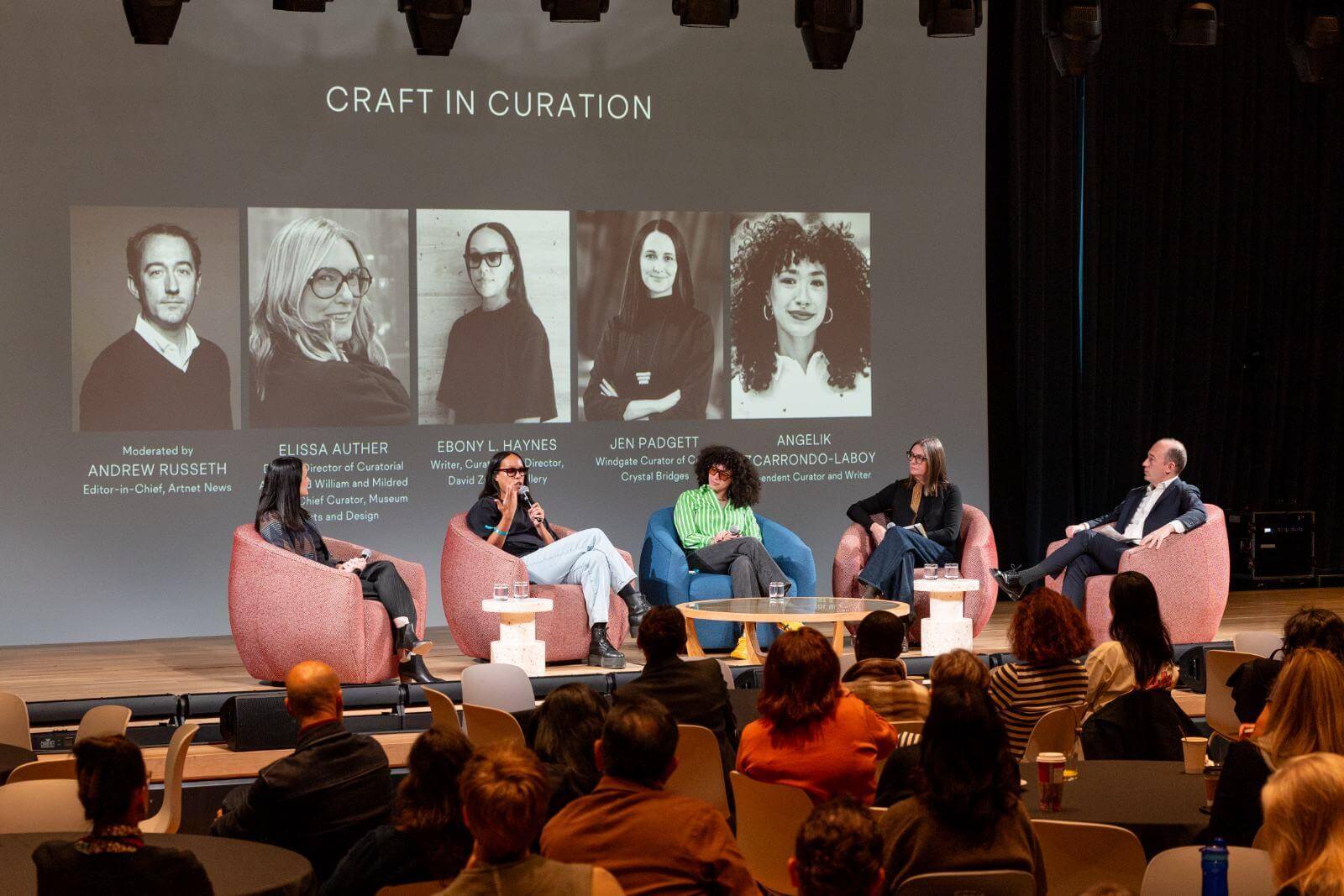
‘Craft in Curation’ panel, Spector Craft Summit 2026
COURTESY: The Spector Craft Prize / PHOTOGRAPH: Trent Sugg, BLK ELK
A panel on craft as a way of life, rather than just a 9-5 profession, featured landscape architect Edwina von Gal, architect Rick Joy, artist Michele Oka Doner, and chef Johnny Ortiz-Concha. Together, they explored craft as an overarching methodology shaping environmental conservation, linguistic representation, spatial design and fully immersive culinary storytelling.
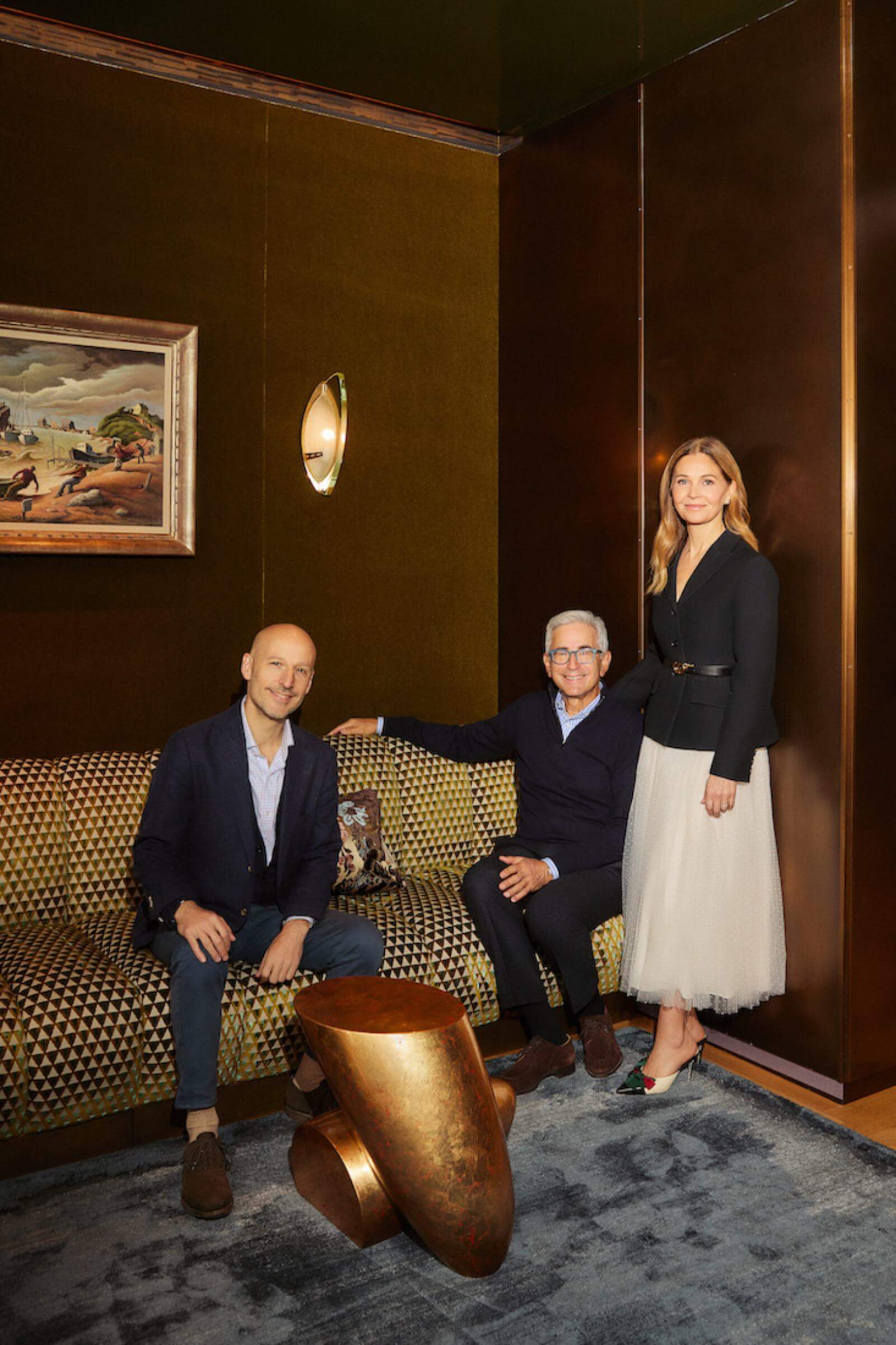
(Left to right) Glenn Adamson, Warren Spector and Abigail Klem Spector
COURTESY: © The Spector Craft Prize / PHOTOGRAPH: Shana Trajanoska
In her opening remark, Abigail Klem Spector, co-founder of the Spector Craft Prize, recalled watching her parents build handmade wooden furniture during childhood summers. Today, her Manhattan townhouse exclusively features handcrafted works, including two four-poster beds constructed by her parents. “When I put my hands on one of these posters, it’s more than just touching a piece of furniture, it connects me to their love,” she shared. “In a world where technology is transforming how we live and create, there’s something increasingly profound about making something with our hands. Craft asks us to slow down and to live with intention. Quite simply, it reminds us what it means to be human.”
The next Spector Craft Summit will convene at the Museum of Fine Arts, Boston, in November 2027.

Adrian Madlener is a Brussels-born, New York-based writer covering a wide range of design-related topics.
View all articles by Adrian Madlener