Preview/ Lucie Rie/Hans Coper: Life at the Wheel
A significant collection of work from two of the most influential studio potters of the 20th century.
Offer Waterman
17 St George Street, London
18th September – 31st October 2026
By Charlotte Abrahams / 12th August 2026
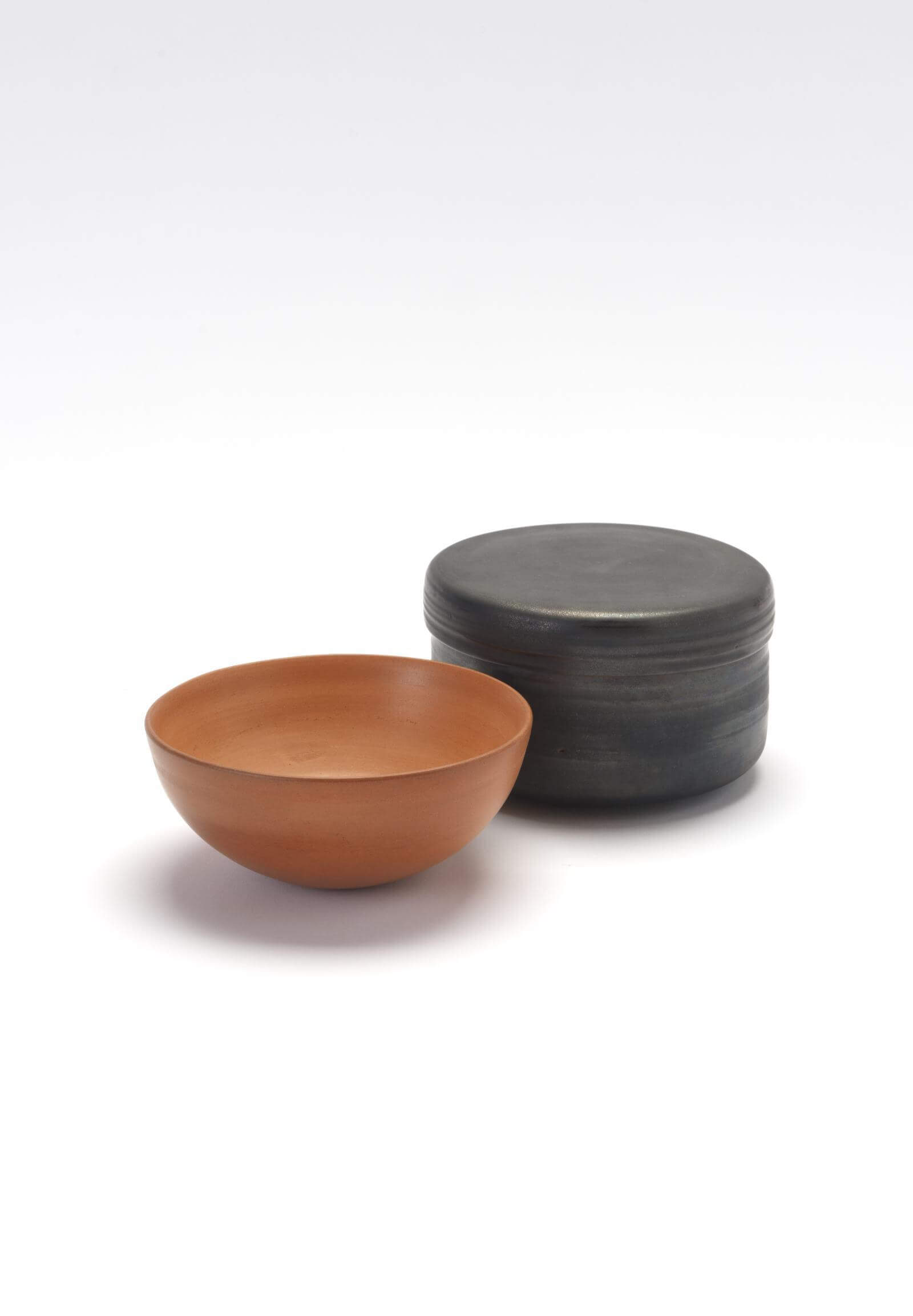
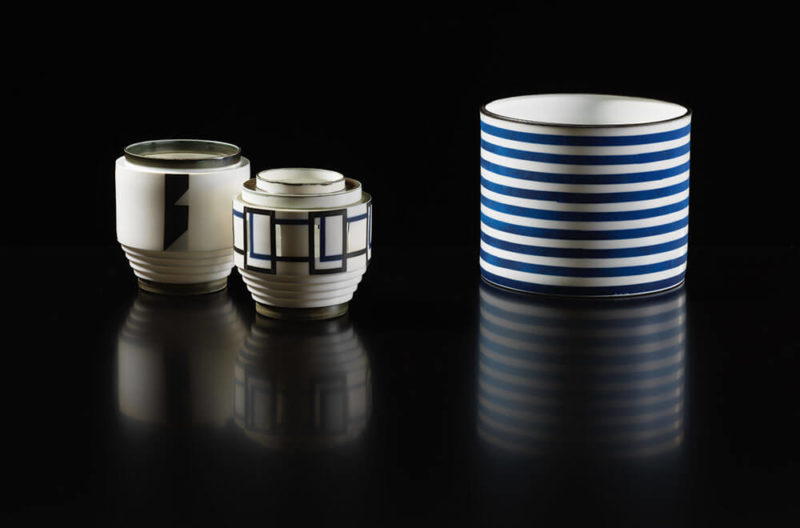
Lucie Rie, ‘Early London period bowl’, circa 1945; Lucie Rie & Hans Coper, ‘Early London period cylindrical lidded pot’, circa 1947
COURTESY: © Estate of the artists / The Lucie Rie and Hans Coper Foundation
IN 1946 A young German refugee turned up on the door step of a pottery workshop in Paddington, West London, seeking work. The German refugee was the aspirant sculptor, Hans Coper. The pottery was Lucie Rie’s, founded in 1939 when she fled Nazi-annexed Austria. Rie gave Coper a job making ceramic buttons and thus began a lifelong friendship. For the next twelve years the two worked side by side, throwing pots, collaborating but also developing their own distinctive practices. This momentous encounter between two formidable talents shifted the course of British Studio Pottery in the twentieth century.
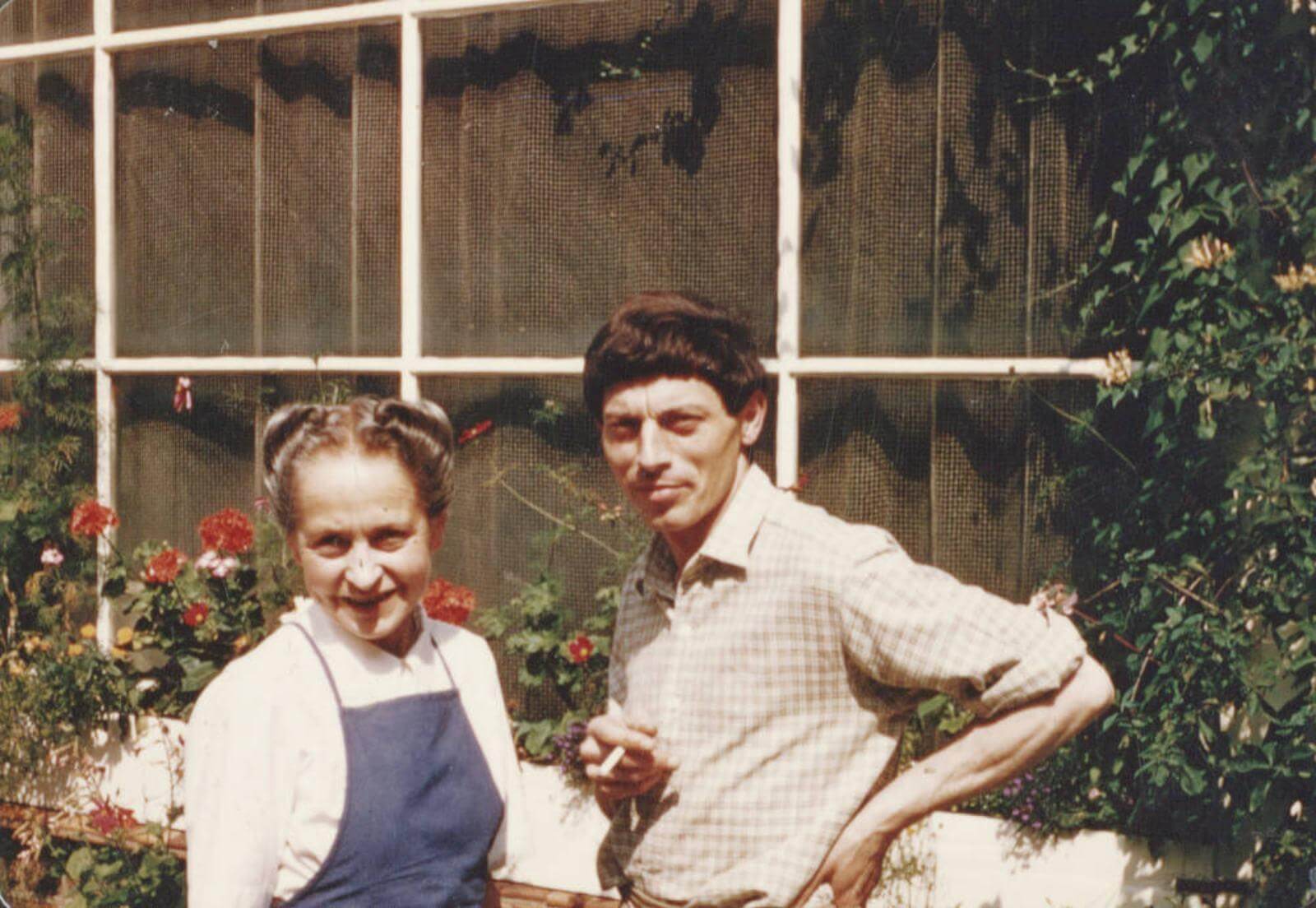
Lucie Rie and Hans Coper in front of Albion Mews, 1950s
COURTESY: © Estate of Jane Coper / The Lucie Rie and Hans Coper Foundation & The Crafts Study Centre, University for the Creative Arts, Farnham / PHOTOGRAPH: Jane Coper
Offer Waterman gallery’s new exhibition, ‘Lucie Rie/Hans Coper: Life at the Wheel’, opening on 18th September, focuses on the intertwined creative trajectories of these singular artists. The first time their work has been shown extensively together since ‘Lucie Rie & Hans Coper – Potters in Parallel’ at the Barbican in 1997, it features more than 200 career-spanning pieces displayed chronologically over four galleries, many rare loans from private collectors. As such, it casts a fascinating light on those potent years in Albion Mews, as each gave the other courage and together they built an enthusiastic following.
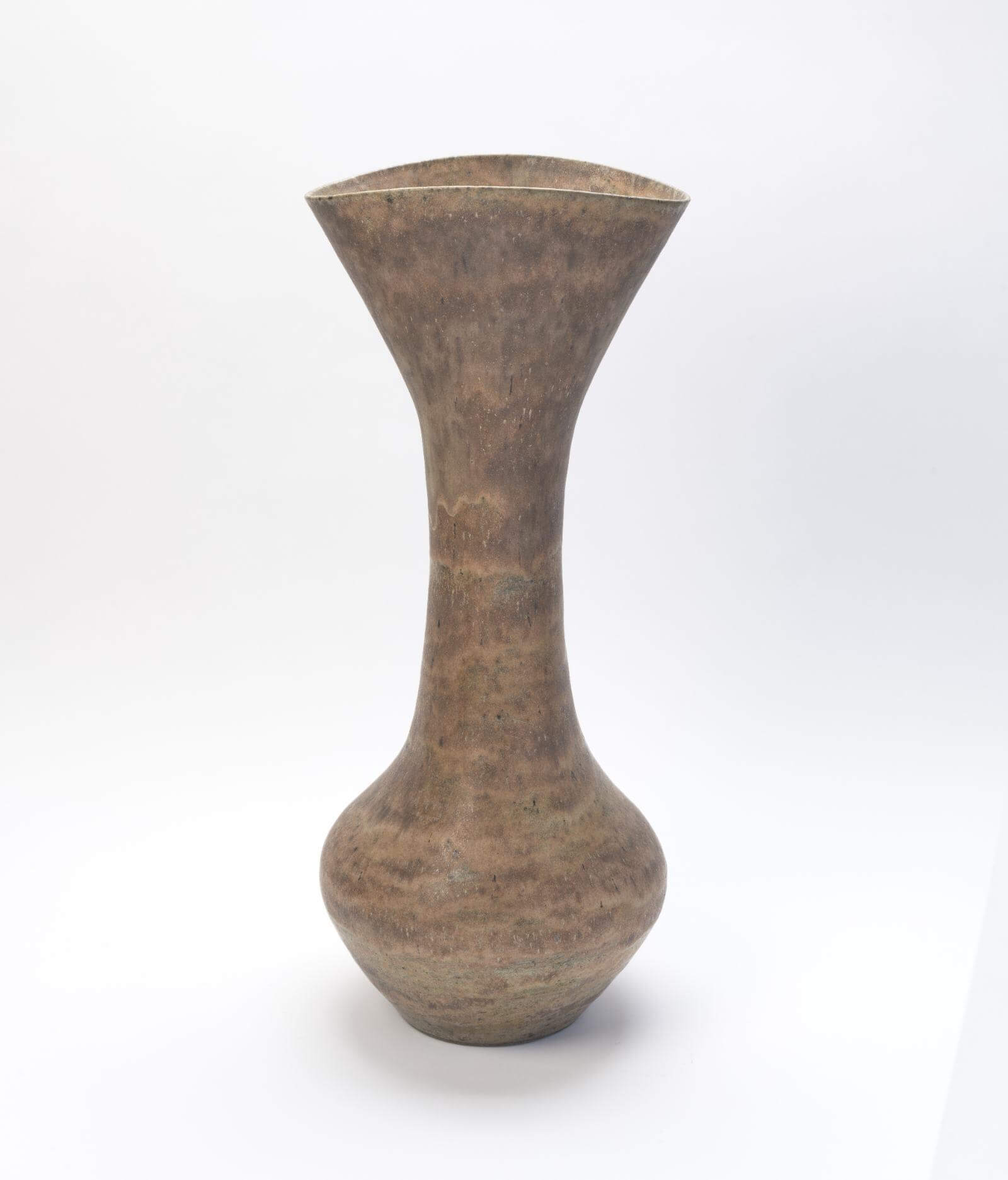
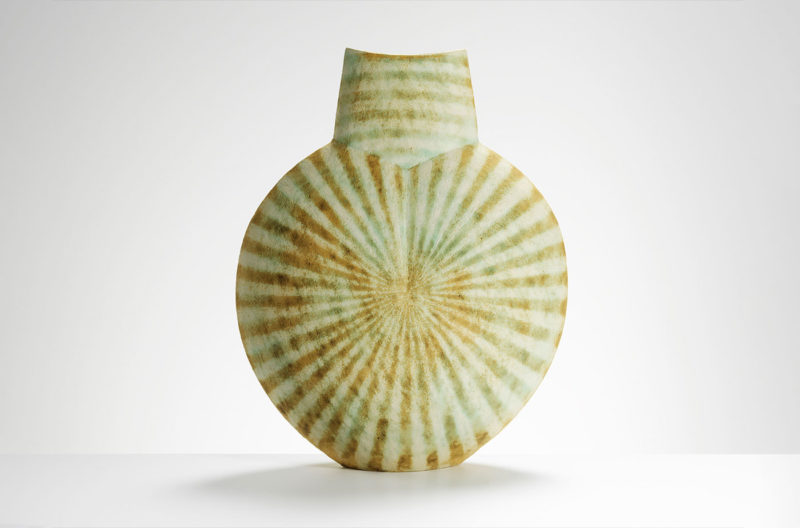
Lucie Rie, ‘Monumental vase’, circa 1969
COURTESY: © Estate of the artist / The Lucie Rie and Hans Coper Foundation / PHOTOGRAPH: Sylvain Deleu
There is the tea pot Rie designed and made in 1928 for Ernst Plischke, the architect who designed the interior of her apartment in Vienna, which was shown in London in 1967 and then disappeared into private hands. Described by the British studio potter Emmanuel Cooper as ‘startlingly modern’, this simple, compact teapot in burnished terracotta encapsulates the remarkable refinement of Rie’s early work in Vienna.
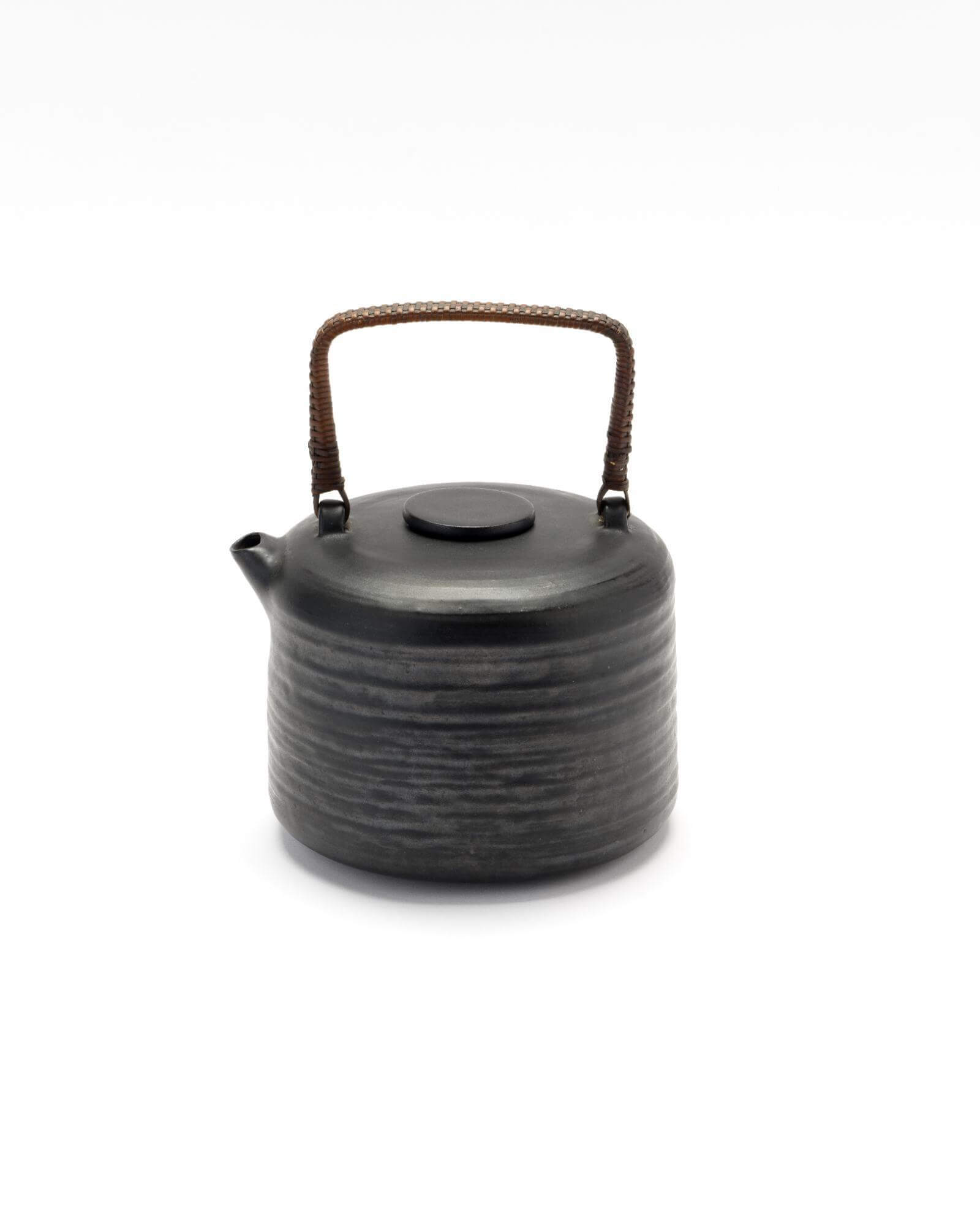
Lucie Rie, ‘Teapot designed and made for Ernst Plischke’, 1928
COURTESY: © Estate of the artist / The Lucie Rie and Hans Coper Foundation / PHOTOGRAPH: Sylvain Deleu
Another rare highlight is a 1953 Coper sgraffito jug from the former collection of Jupp Dernbach-Mayen who, like Coper, worked as an assistant to Rie at her London studio. Then there are the three ‘monumental’ works from the 1960s – two by Coper, one by Rie – which, says the exhibition’s curator, Robin Cawdron-Stewart, “demonstrate the boundaries these artists pushed clay to.”
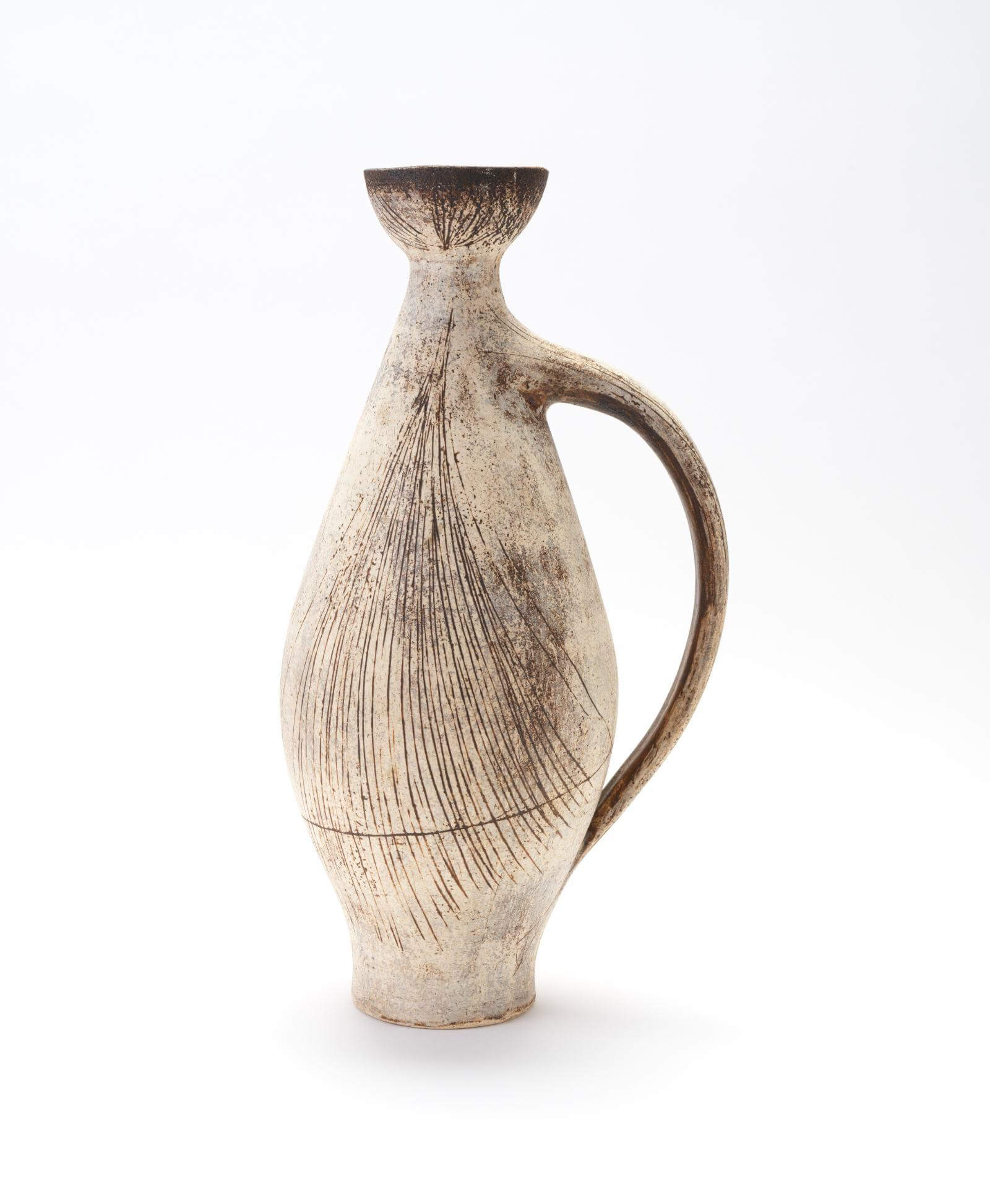
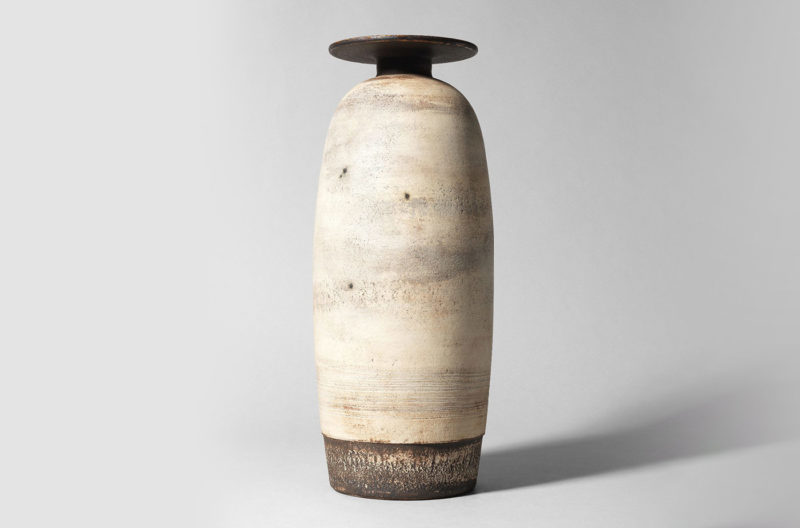
Hans Coper, ‘Large jug’, circa 1953
COURTESY: © Estate of the artist / The Lucie Rie and Hans Coper Foundation / PHOTOGRAPH: Sylvain Deleu
The striking modernity of both artists’ work is what makes it so popular today. Their work is held in museum collections around the world, while collectors continue to push prices higher. Current records for both – £330,200 for a Rie ‘Footed Bowl’ from 1981, and £647,700 for a 1976 Coper ‘Black Cycladic Arrow’ – were set in 2023 when Phillips hosted a sale from the estate of Jane Coper and the former collection of Cyril Frankel.
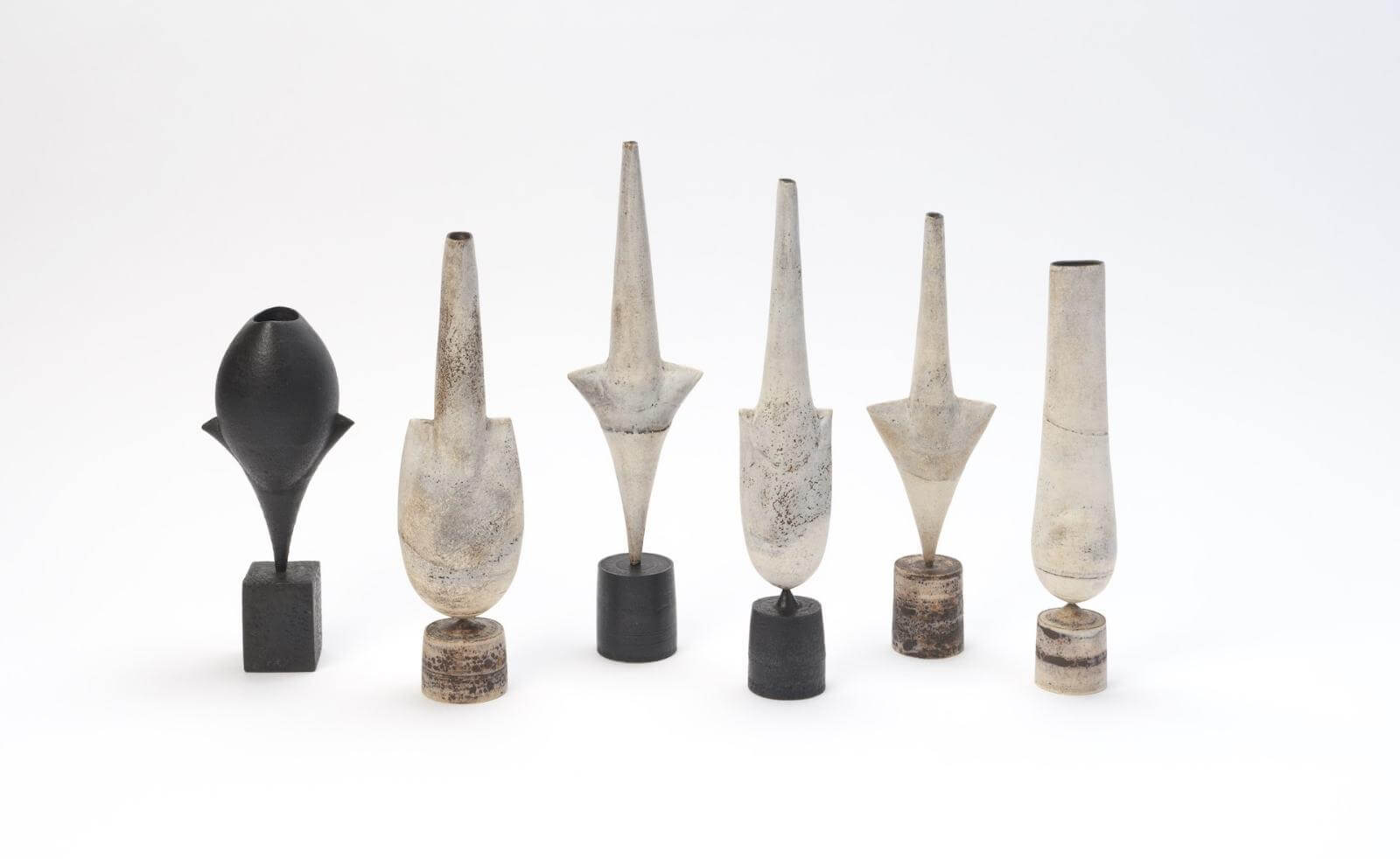
Hans Coper, ‘group of Cycladic forms’, 1970s
COURTESY: © Estate of the artist / The Lucie Rie and Hans Coper Foundation / PHOTOGRAPH: Sylvain Deleu
Less obviously functional, Coper’s innovative interpretations of the vessel form have historically commanded the highest prices but, says Cawdron-Stewart, Rie’s work “is now consistently selling for six figure sums.” And while the more sculptural pieces she was making at the end of her career are still the most valuable, there has been a re-evaluation of the domestic ware in recent years: in October 2025, a white glazed stoneware vase with a flared lip sold at Christie’s London for £20,320. Cawdron-Stewart is not surprised. “These domestic pieces are no less beautiful and brilliant than the later work,” he says, “and they played just as big a part in the way Rie and Coper changed the way we look at clay.”
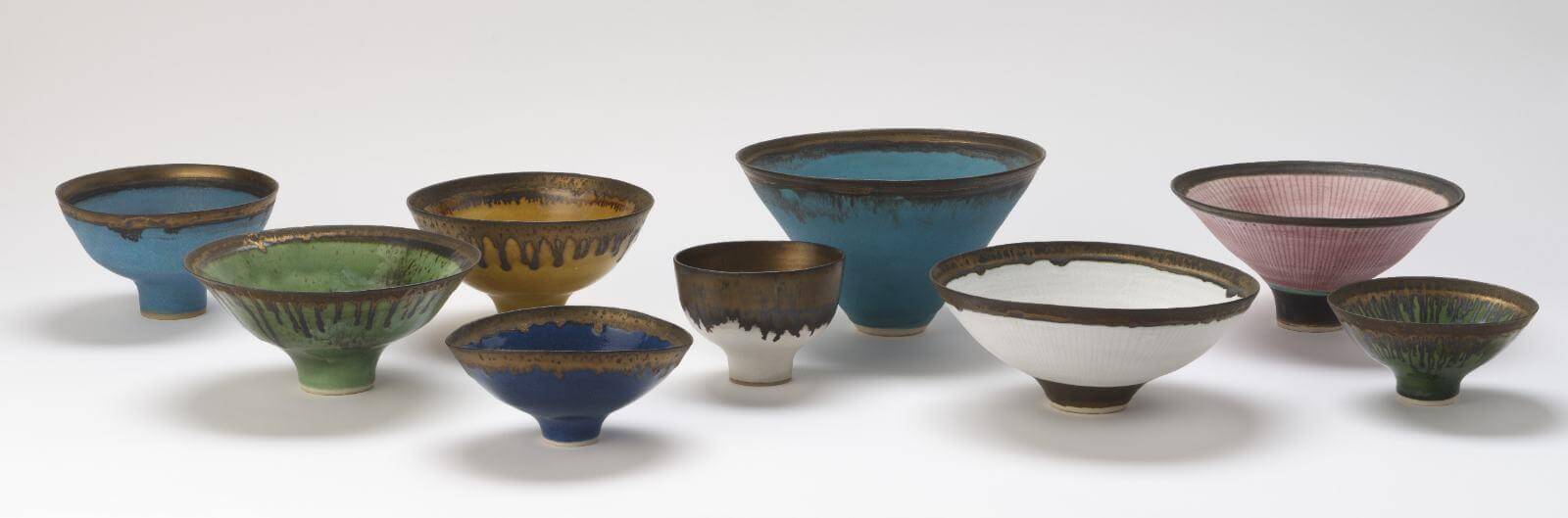
Lucie Rie, ‘Bronzed bowls from the 1980s’
COURTESY: © The Artist & the Wingfield Digby Collection / PHOTOGRAPH: Sylvain Deleu
That both were quietly revolutionising British studio pottery, blurring boundaries between art and craft, form and function, was recognised at the time. In 1953, several of their collaboratively-made ashtrays appeared – carefully placed on the floor – in designer Hugh Casson’s entrance foyer to the Time & Life Building in New Bond Street, alongside a vast mural by Ben Nicholson and sculptures by Henry Moore.
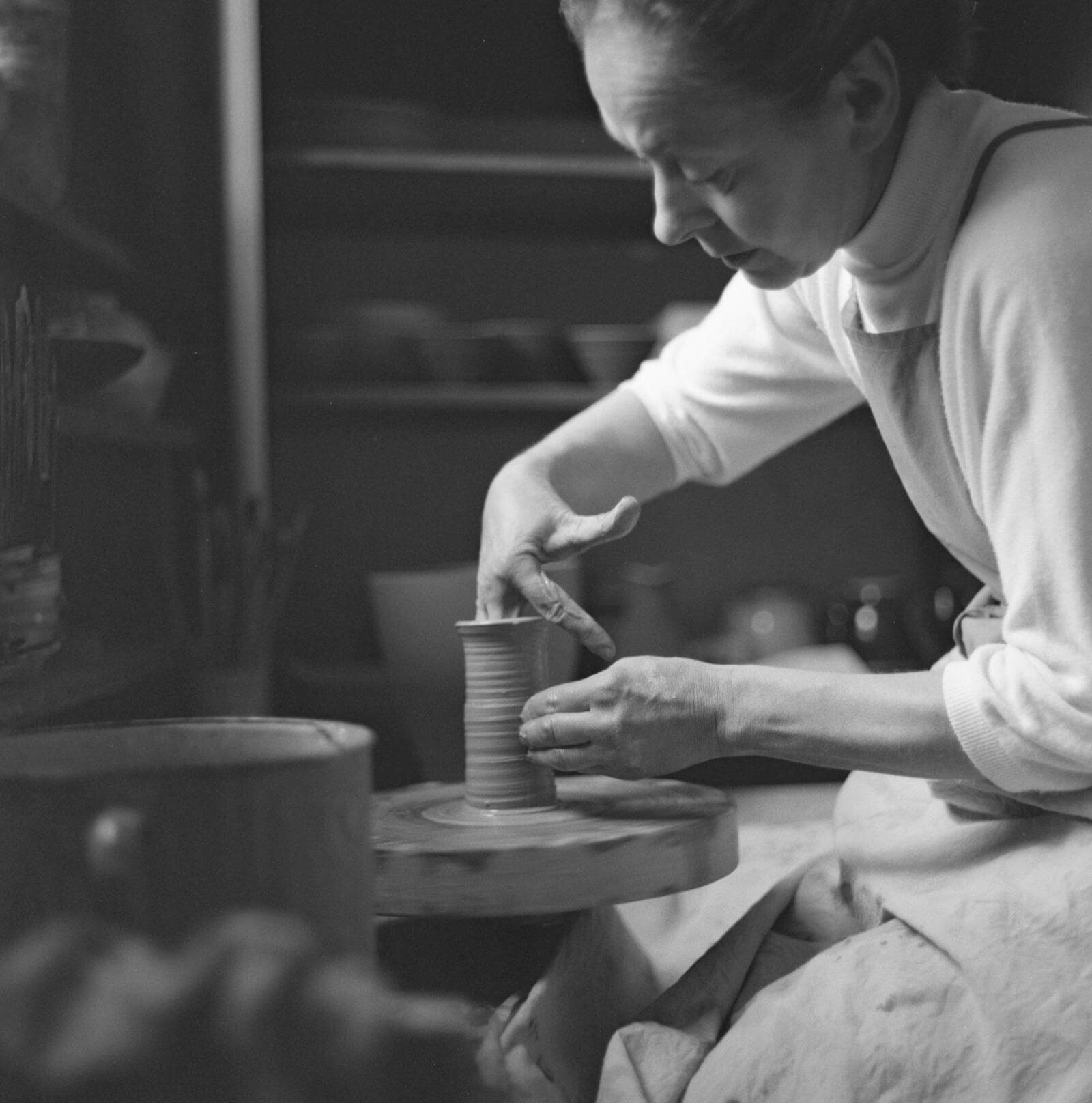
Lucie Rie, Albion Mews, circa 1960
COURTESY: © Estate of Jane Coper / The Lucie Rie and Hans Coper Foundation / PHOTOGRAPH: Jane Coper
Five years later, Rie and Coper joined leading Modernist artists, including Barbara Hepworth and Jacob Epstein, in a touring exhibition of the USA. Their ceramics were also embraced by the period’s leading tastemakers: Henry Rothschild and William Ohly sold it through their galleries (Primavera and Berkeley), while buyers included Robert and Lisa Sainsbury, David Attenborough, the architect Ernst Freud and George and Cornelia Wingfield Digby.
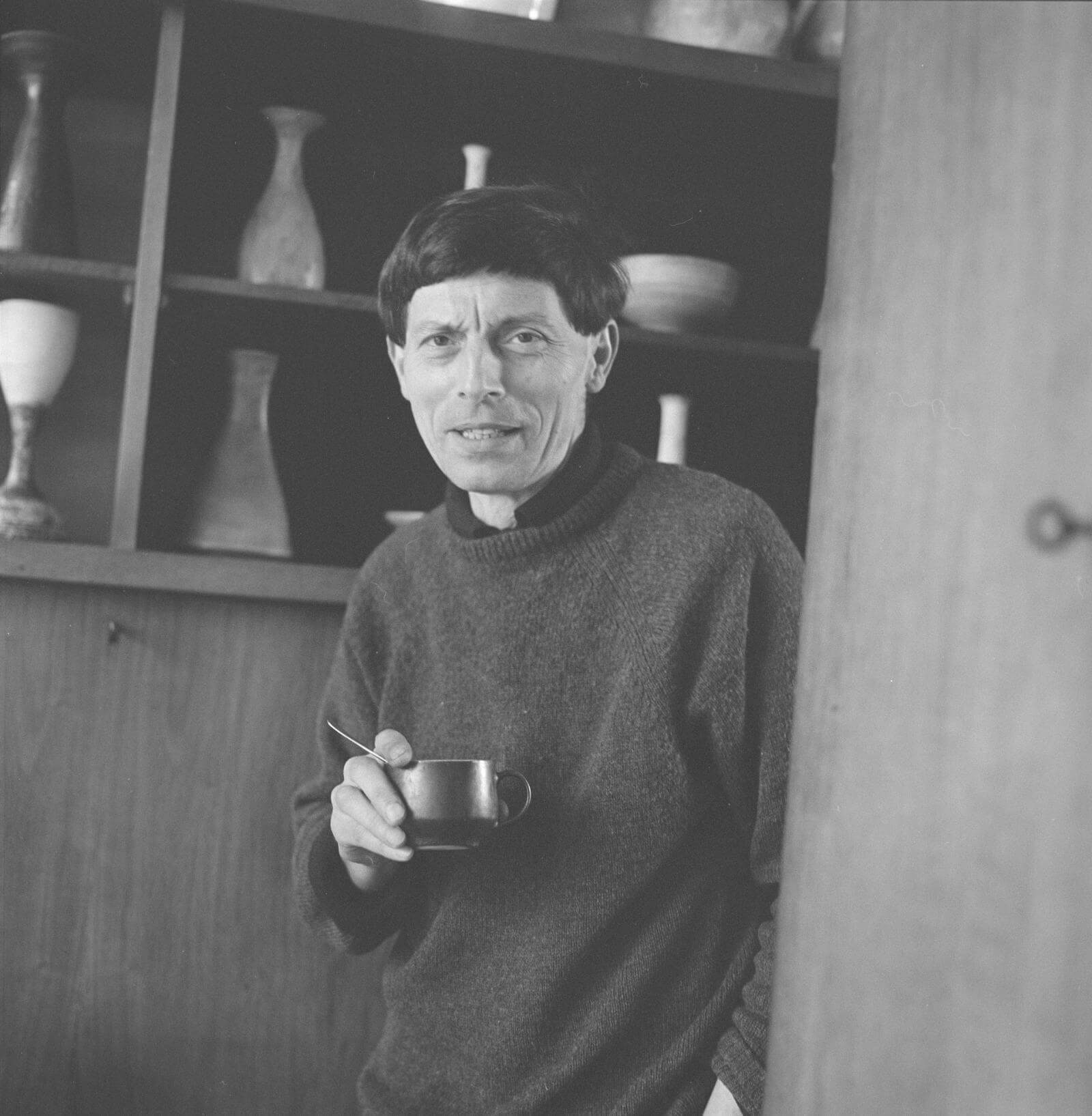
Hans Coper, Albion Mews, circa 1967
COURTESY: © Estate of Jane Coper / The Lucie Rie and Hans Coper Foundation / PHOTOGRAPH: Jane Coper
The Wingfield Digbys became significant collectors of Rie’s work and three pieces from their collection – a ‘Morning Tea Set’ in black mirrored stoneware (bought directly from Rie in 1951 for £4 19 shillings – about £122 in today’s money), a matt white pot with a bamboo handle and a ‘Squeezed’ porcelain beaker in glorious sunshine yellow glaze – can be seen in the show.
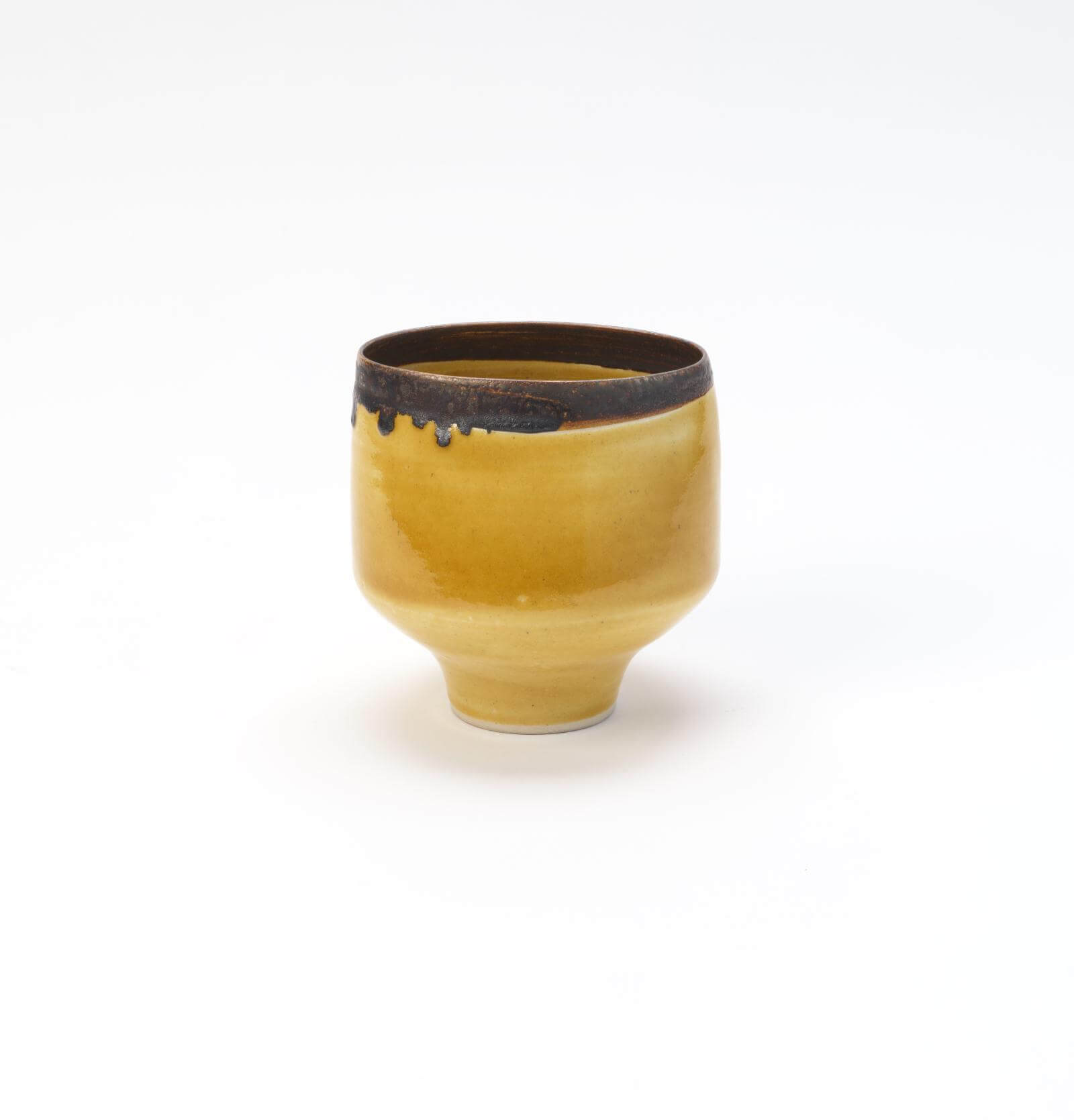
Lucie Rie, ‘Squeezed Yellow Beaker’, circa 1955
COURTESY: © The Artist / the Wingfield Digby Collection / PHOTOGRAPH: Sylvain Deleu
George, who was Keeper of Textiles at the Victoria and Albert Museum from 1947-1972, did much to champion the idea of the beauty of everyday objects, writing in a feature on contemporary pottery for House and Garden magazine in November 1951 that “stoneware can be used for tableware and domestic purposes, and can also aspire to be a work of art in itself.” He cited Rie, Coper, William Staite Murray, Bernard Leach and Michael Cardew as examples. He lived as he wrote; George’s cousin, Nicholas Wingfield Digby, recalls having to take dead flower petals out of the white pot when the collection passed into the wider family’s hands.
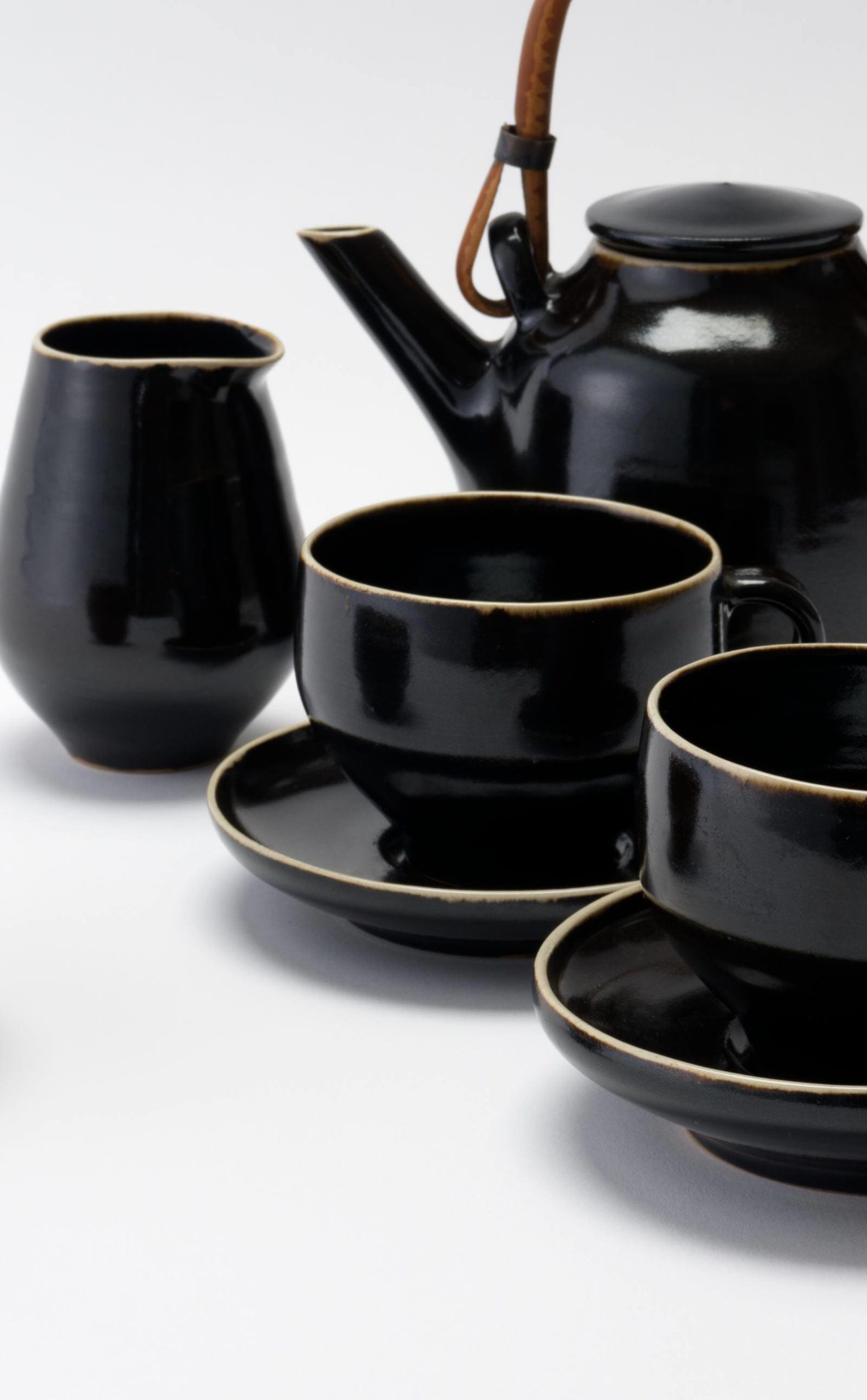
Lucie Rie, ‘Tea set’, circa 1950
COURTESY: © The Artist & the Wingfield Digby Collection / PHOTOGRAPH: Sylvain Deleu
Rie would certainly have approved. Initially trained in Vienna, where the idea of the Gesamtkunstwerk – or total work of art – dominated, she always wanted her pots to be both functional and beautiful. “I only wanted to make pots to be used,” she once said, “pots for flowers which had to be very simple – cooking casseroles which could be used in the oven and would look nice on the table mixed up with porcelain and old-fashioned silver.”
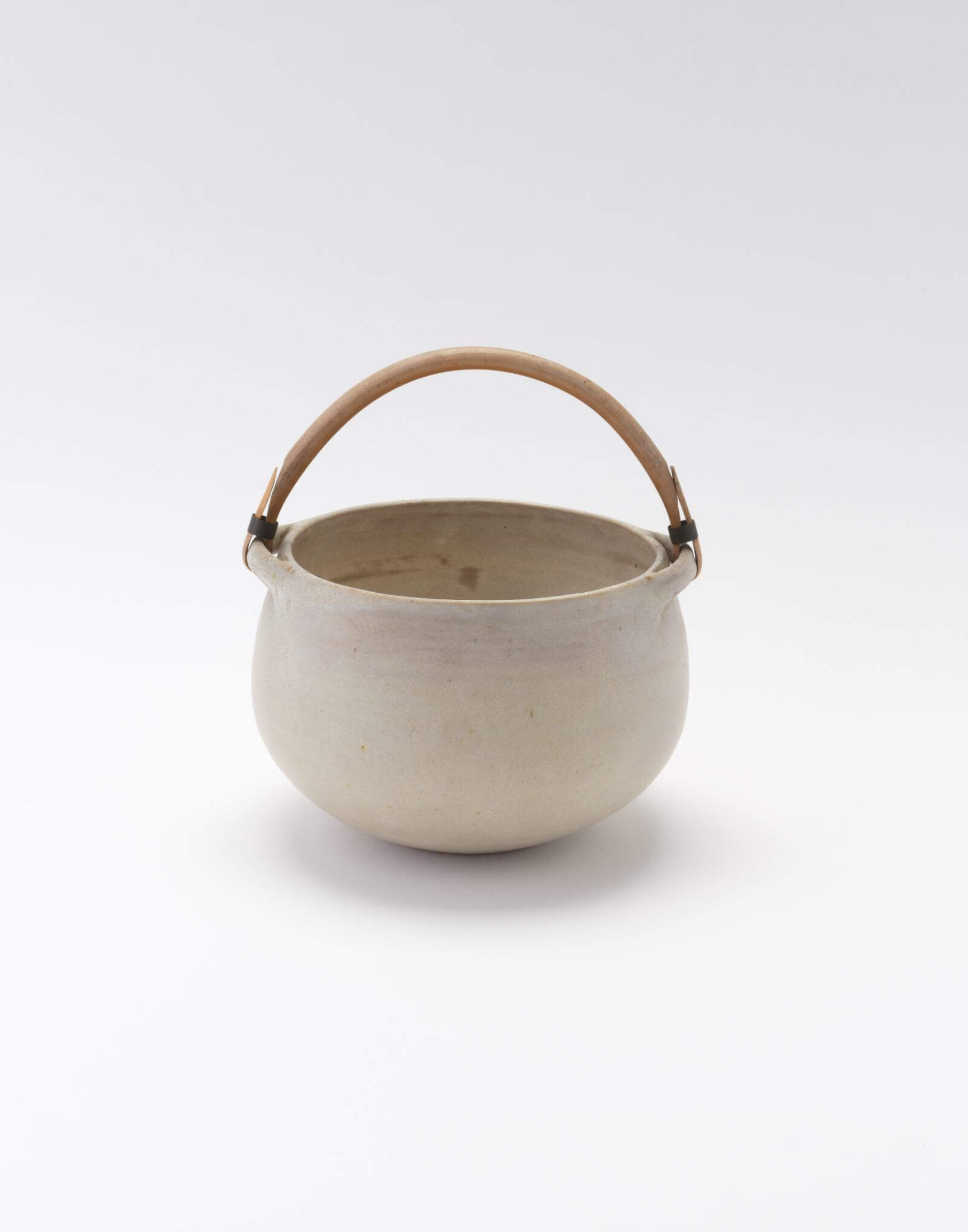
Lucie Rie, ‘Large bowl’, circa 1951
COURTESY: © Estate of the artist / The Lucie Rie and Hans Coper Foundation / the Wingfield Digby Collection / PHOTOGRAPH: Sylvain Deleu
It seems a simple aim for someone who, Offer Waterman says, together with Coper, “transformed the ceramic vessel into an object of extraordinary formal and artistic ambition.” Yet maybe it is precisely in bringing together form and function so exquisitely that their greatest achievement lies? When I asked Cawdron-Stewart why he thought the domestic ware is in such demand again, he spoke about its relative affordability (you can buy a Rie bowl, beaker or plate for under £5,000; prices at the exhibition start at £1,000) and then he said something else: “In this day and age when we are surrounded by mass produced, disposable wares, it is wonderful to have something that has a use and is a work of art.” Wonderful and life-enhancing.

Charlotte Abrahams is a writer, editor and curator specialising in design and the applied arts.
Charlotteabrahams.com
View all articles by Charlotte Abrahams